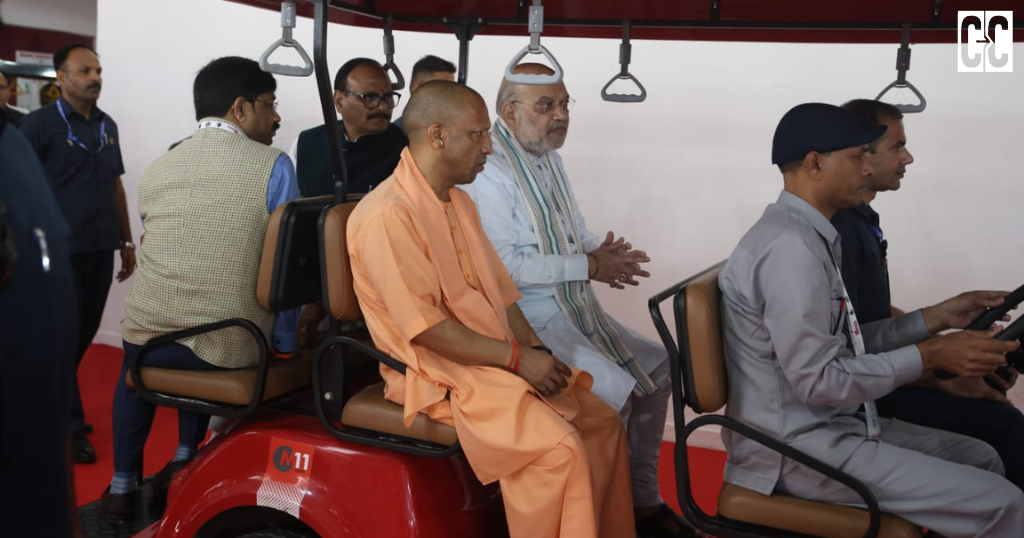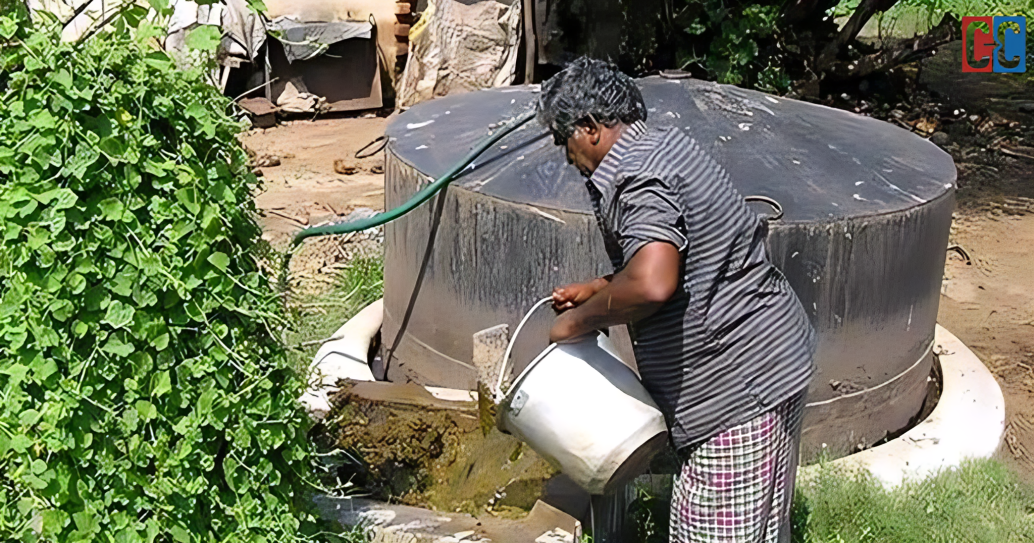
New Delhi, 6 August 2026 – To tap the vast potential in converting livestock waste into fuel, the Union Cabinet approved GOBARdhan – India’s National Circular Bioenergy Scheme. The scheme expect an outlay of Rs. 23,731 crores during 2026-27 to 2035-36 to transform cattle dung, crop waste, press mud, and municipal solid waste to Compressed Biogas (CBG)-the Ministry of Petroleum & Natural Gas administers it. It integrates a dozen support mechanisms ranging from offtake assurance of a decade long administered price of Rs.2110 MMBTU, capital support of up to Rs. 2 crore per T/ day, pipeline infrastructure, credit guarantees to MSMEs, to a district level ecosystem fund into a cohesive package to drive the domestic production by about ten times and cut India’s annual gas import bill by about $5 billion, according to the Indian Biogas Association.
The government’s justification for such a system is quite frank about where the industry has remained stalled. “We had a lot of uncertainties in the entire CBG supply chain…” – about feedstock, prices, offtakes, and how to dispose of by-products – Alok Tripathi, a joint secretary in the ministry, said just days after the approval was sanctioned and noted that the new pricing system would likely remain in place for over 10 years. For perspective, current CBG production is around 0.4 mmscmd (million standard cubic metres per day), against a target of 5 mmscmd to be produced in five to 10 years.
A Familiar Shortfall
But such ambition has a precedent that makes you uneasy: SATAT (Sustainable Alternative Towards Affordable Transportation), the initiative launched in 2018 to set up 5000 CBG units by 2023-24, received a report by the Standing Committee on Petroleum in December 2022 stating that only 40 plants had been commissioned across the country. A Press Information Bureau release stated that only just over 200 CBG plants currently exist, long past the deadline, and representing four percent of the target of 5000 units.
Whose Uncertainty Resolved
The “risks to both inputs and outputs,” as described by Tripathi, is a series of unspoken and uneconomic risk-bearing exercises that some small rural input suppliers have undertaken since time immemorial without much compensation. Even as the large majority of a rural economy’s informal labor – for tasks ranging from sourcing of dung and managing cattle to composting – is traditionally carried out by women and these are absorbed into the feedstock for some GOBARdhan’s collection model, often without them deriving economic benefits, GOBARdhan is only looking to create “women entrepreneurs and first-time developers” through its credit- guarantee scheme as its beneficiary. But it runs up against the problem that cattle and land assets are often expected to be offered as loan security for entrepreneurial activities by the very groups that are traditionally not able to control or hold either resource.
Similarly, the municipal solid waste aspect of the programme may face challenges in integrating with a large number of women rag-pickers, who constitute the majority of those handling recycled waste. Waste to energy projects that come up have usually been done at the expense of the informal workforce.
Lessons From Elsewhere
GOBARdhan’s central instrument — a long, guaranteed price — has been tried before. Germany’s Renewable Energy Sources Act used two-decade guaranteed tariffs to grow a farmer-led biogas sector from around 100 plants in 1990 to several thousand at its peak; once tariffs began expiring, and competitive auctions took over, smaller farm-based plants were left struggling against larger bidders. China took another path, implementing a household-level biogas scheme that, until participation declined slightly due to shrinking subsidies and maintenance support, directly reached about 100 million people in rural areas. It was this model that India adopted in its first biogas programmes. GOBARdhan’s move toward large, industrial-scale plants selling into gas networks is a structurally different approach, in which the aggregator rather than the household tends to be the first seller.
The Execution Test
The programme’s six elements sound like design specifications: demand, supply, and capital – all, the programme commits, guaranteed. Whether they are guaranteed to the women, feedstock sellers, and waste workers, the programme now needs to incorporate remains within the design discretion of the Cabinet note, such as whether this mapping at the district level, done by the Ecosystem Challenge Fund, incorporates labour already informally provided and whether lowered collateral requirements enable women to access loans for the very first time. In the meantime, GOBARdhan’s rural dividend remains, in essence, aspirational.
Clear Cut Livelihood, Climate Desk
New Delhi, UPDATED: August 12, 2026: 18:00 IST
Written By: Yatharth Pathak