
- NFHS-6 shows a significant decline in child stunting in India, but malnutrition remains unevenly distributed across states and vulnerable communities.
- Poor diet quality, poverty, climate change and unequal access to nutrition continue to threaten children’s health and development.
- Stronger policy coordination and targeted CSR investment are needed to ensure nutrition gains reach India’s most vulnerable children.
A child who fails to reach his genetic potential will have a disadvantage his entire life, be it in terms of intelligence, income generation capacity, or even illness. They become vulnerable decades later; that is the insidious, cumulative cost embedded in India’s latest nutrition data. While the National Family Health Survey-6 does paint a picture of genuine hard-fought improvement with child stunting decreasing from 35.5 to 29.3 percent, it highlights a looming public health crisis-India is currently grappling with both undernutrition and obesity across varied demographics.
Real Progress, Unevenly Shared
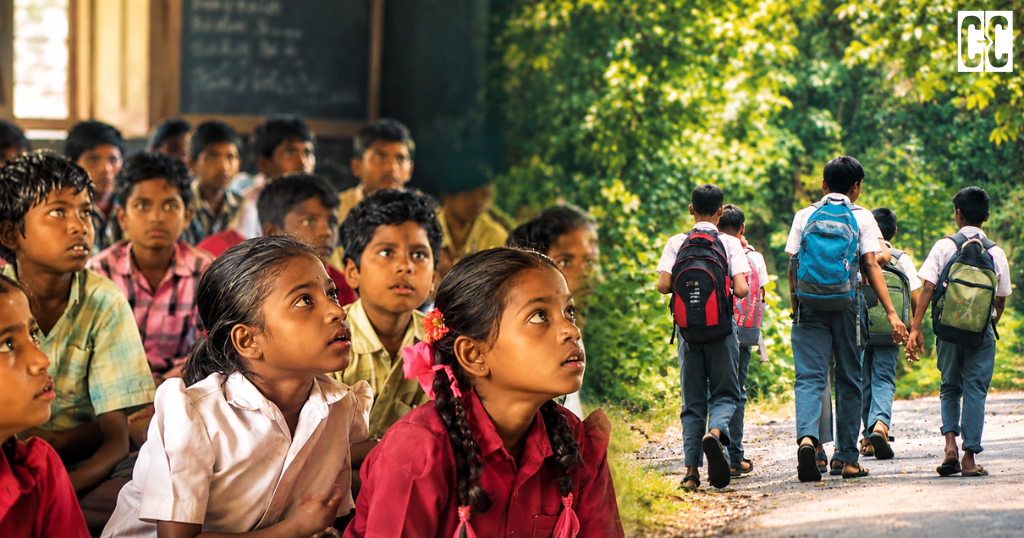
The decline in stunting levels-brought about by improved maternal nutrition, antenatal care, institutional deliveries, immunization levels, and sanitation-is primarily supported by the convergent approach adopted by programs like the POSHAN Abhiyaan and the Mission Poshan 2.0, as well as the Ayushman Bharat and Swachh Bharat Mission. However, this progress has been unevenly spread, and the GNR 2026 indicates that a greater proportion of malnourished children come from the low-income groups, the Scheduled Tribes, the rural population, and lower socio-economic categories.
The Geography of Undernutrition
The highest rates of child stunting and child underweight are still found in Bihar, Jharkhand, Uttar Pradesh, and Madhya Pradesh. Interestingly, this geographical overlap corresponds more or less perfectly to the states identified by the CSR spending analyses as comprising India’s lowest-funded corporate development corridor. Health and education infrastructure investment in a working model: the proof is in the living of Kerala and Tamil Nadu.
Diet Quality, Not Just Diet Quantity
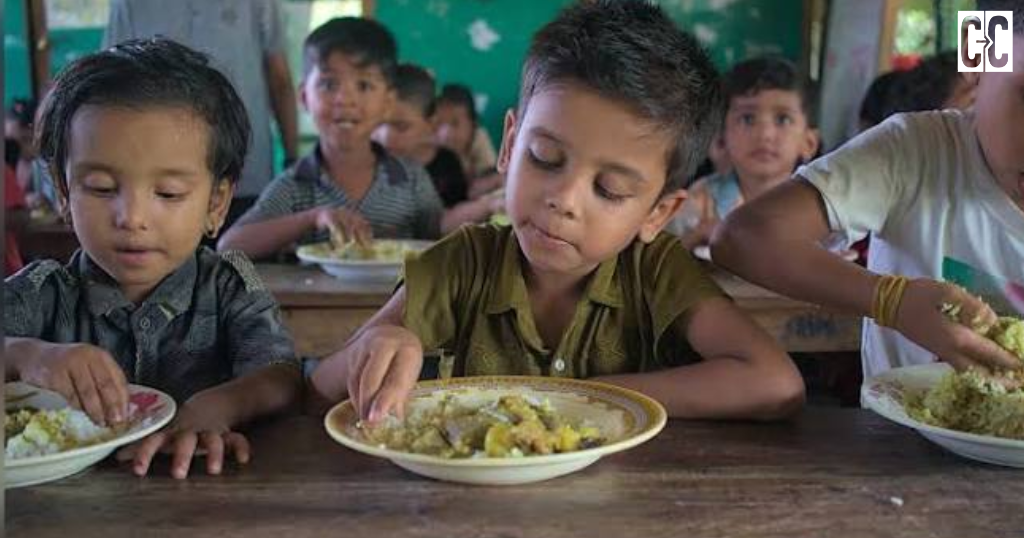
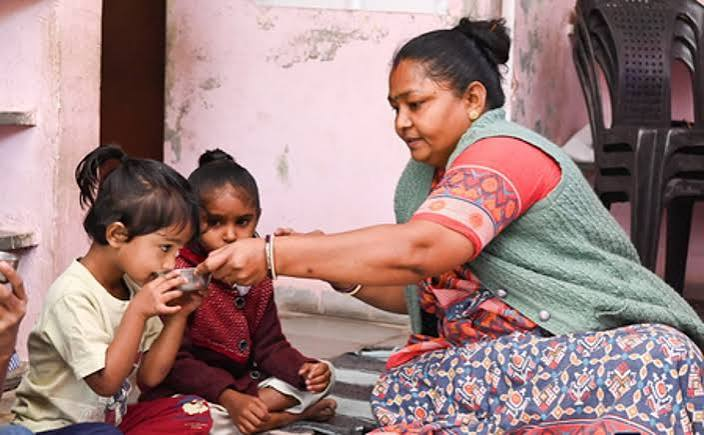
A large proportion of Indian households continue to consume energy-providing foods predominantly and consume significantly fewer fruits, vegetables, pulses, dairy, and other protein-rich foods. According to the Global Nutrition Report 2026, the affordability of a healthy diet remains an outstanding challenge at the global and national levels, and ‘solving hunger’ and ‘solving malnutrition’ are independent yet inter-linked problems- one related to calories, the other related to quality. In the next phase, India should tackle both together.
Climate Change as a Nutrition Multiplier
A less examined, yet developing, front in India’s nutrition problems is the direct impacts of a changing climate on agricultural production and nutrient access, according to experts studying how the policy and practice communities are managing the intersections of nutrition and climate change – which is why a key part of India’s next round of food system resilience and nutrition interventions need to integrate the two, especially given the threats that worsening heat and droughts place on core staple diets.
Malnutrition Is Also a Poverty Statistic
The UNICEF’ State of the World’s Children 2025′ positions India’s nutrition deficit as part of an expanding child-poverty crisis: around 206 million Indian children suffer from one or more serious deprivations in the fields of nutrition, education, health, housing, or sanitation, while one-third are subject to two or more at any one time. For the Union Budget of 2025-2026, Rs 26,890 crore has been allocated to the Ministry of Women and Child Development. The ministry’s overall share of central expenses, though increased, declined from 0.96% to 0.5% over the last 10 years. This reduction, however, is difficult to reconcile with the actual progress registered in NFHS-6 and points to development taking place against the backdrop of dwindling rather than increasing budgetary priority.
Accountability and action: The way forward
India has demonstrated that these stunting rates decline when programmes are coherent and consistently maintain their resources. This unfinished business is keeping that same convergence from reaching even the small cluster of states at the bottom of almost every such table. Health costs CSR spends roughly 26% of all corporate social investment and is positioned to play an obvious and, for too long, underutilized role in addressing stunting and other malnutrition: funding should be guided by district-level malnutrition data, not just national headlines, while companies that invest in child nutrition must be required to report impact by the same populations noted as vulnerable by the Global Nutrition Report. Now, for a generation of children, a more pressing question is when coordinated policy will become a reality in their own communities.
Clear Cut Education, Livelihood Desk
New Delhi, UPDATED: August 19, 2026 09:00 IST
Written By: Tanmay J. Urs