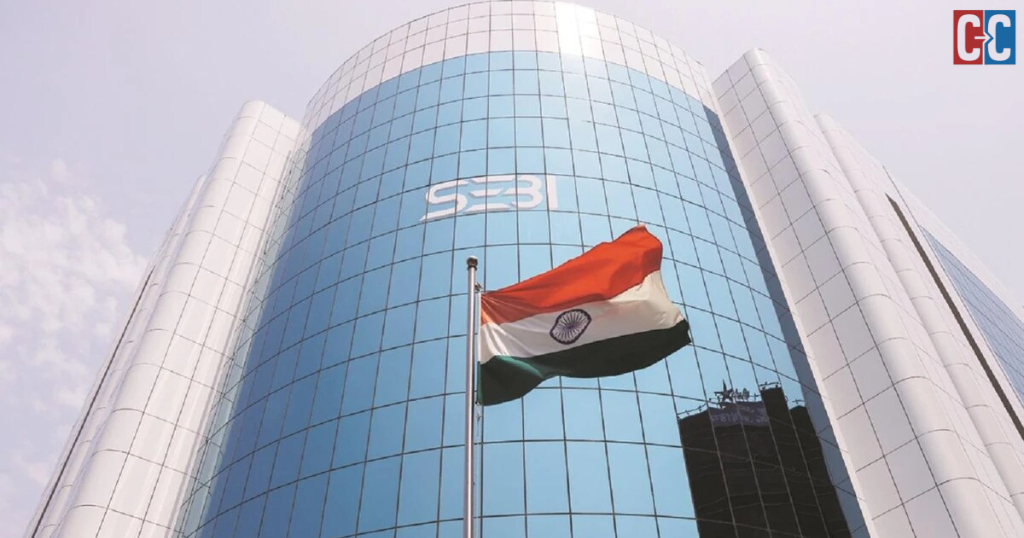
- SEBI’s BRSR framework is strengthening ESG accountability by expanding mandatory disclosures to large listed companies and their value chains.
- BRSR Core, value-chain reporting, and upcoming third-party assurance are making corporate sustainability disclosures more standardized and transparent.
- The framework aims to close reporting gaps around suppliers, environmental performance, governance, and green credits.
Regulation, unlike the glossy intent of a corporate press release, is measured by deadlines and thresholds, not by intention. Over the last 3 years, SEBI’s BSRS framework has been the singular channel for driving accountability for environmental and social narratives in India’s reporting, whether tucked into CSR or otherwise. As 2026 dawns as the major year of compliance, the obligation for real value-chain ESG disclosures now rests with our largest market-capitalized companies, and the framework is quietly inching toward the same importance as fiscal audit compliance for corporate accountability.
How the Deadlines Have Moved
SEBI’s board approved a one-year deferral of mandatory value-chain ESG disclosures in December 2024, shifting the requirement from 2 years to 1 year. It is pushing third-party assessment or assurance requirements to FY 2026-27. The regulator simultaneously capped the disclosure scope to value-chain partners accounting for 2% or more of a company’s total procurement or sales. The disclosures are limited to covering 75% of the aggregate purchase and sales value.

BRSR Core and the Expanding Compliance Circle
BRSR Core was initially applied voluntarily to the top 150 listed companies by market capitalization in FY 2023-24. This happened as it expanded to voluntary value-chain reporting for the top 250 companies in FY 2024-25. Now moving toward mandatory assessment or assurance for progressively larger cohorts. The top 1,000 listed companies are expected to be covered by FY 2026-27. Over 1,000 companies now voluntarily follow BRSR, according to SEBI officials, well beyond the number formally mandated.
What Makes This Different from Voluntary ESG Reporting
Unlike voluntary sustainability reports, BRSR disclosures are filed alongside statutory annual report filings, submitted to stock exchanges in machine-readable XBRL format. It is made publicly accessible on exchange portals. The data is scrutinized not just by regulators but by analysts, lenders, customers, NGOs, and competitors. SEBI has additionally become the first regulator globally to bring third-party ESG rating providers under a transparent regulatory framework.
The Green Credit and Supply Chain Frontier
A new leadership indicator under BRSR Core’s governance principle will require companies to disclose green credits generated or procured by themselves and their top 10 value-chain partners, extending accountability beyond a company’s own operations into its supplier ecosystem. This is precisely where CSR reporting has historically been weakest: companies could credibly report their own factory’s environmental performance while remaining silent on the practices of suppliers several tiers removed, and BRSR’s value-chain expansion is a direct attempt to close that reporting gap.
Industry Wrote Part of the Rulebook Too
Notably, the Industry Standards underpinning the BRSR Core reporting were not drafted solely by SEBI. They were developed by the Industry Standards Forum, comprising ASSOCHAM, FICCI, and CII, in consultation with the regulator, specifically to standardize the reporting of BRSR Core disclosures across sectors with very different operating models. This co-design approach has plausibly improved industry buy-in and the framework’s practical usability. Still, it also means the standards were shaped substantially by the very companies now being asked to comply with them, a tension worth keeping in view as assurance requirements tighten over the next two reporting cycles.
Conclusion
A disclosure regime is only as good as the assurance it stands on, and India’s remains in transition, as far as authentic third-party assurance on value chain data is concerned (it doesn’t become obligatory till FY2026-27). In the interim, the honest read on the BRSR compliance numbers is that it’s a maturing culture of disclosure, not a well-audited one. The takeaway for investors, media persons, and members of civil society following up on claims by their portfolio companies should be: look to pre-assurance BRSR filings as a first step and not as confirmation, and the genuinely sustainable company would not wait for FY2026-27 before its practices would not need a report from someone else verifying them.
Clear Cut Research Desk
New Delhi, UPDATED: August 24, 2026 14:50 IST
Written By: Tanmay J Urs