
On World Mental Health Day 2026, Clear Cut examines the mental health challenges facing India’s daily-wage workers, the country’s treatment gap and whether expanding mental healthcare services are reaching those who need them most.
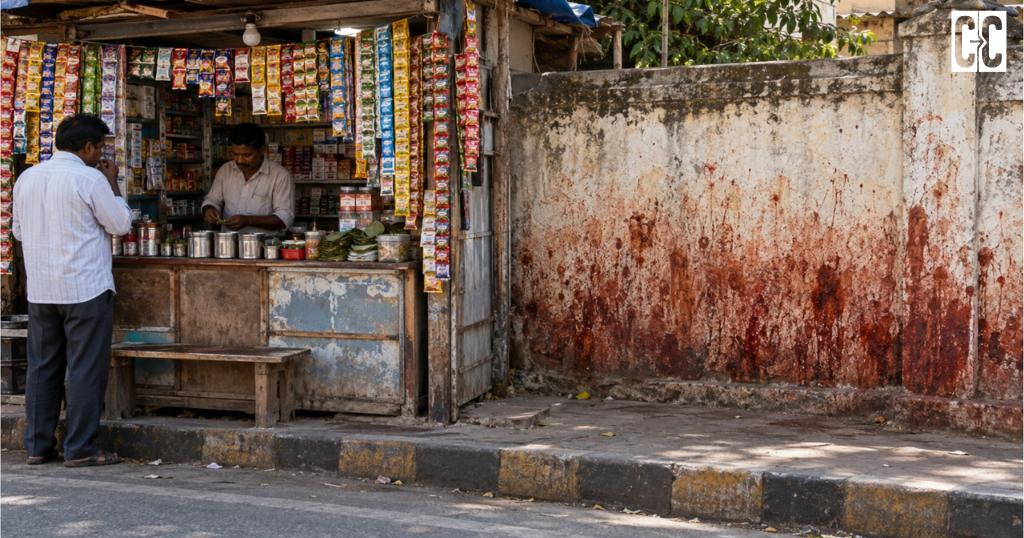
Every morning, millions of Indians leave their homes uncertain about how much they will earn that day. Some find work at construction sites. Others work in factories, markets, farms or small establishments. For many, missing a day’s work means losing a day’s income.
Their struggles rarely feature in India’s growing conversations about mental health. Yet the numbers tell a troubling story.
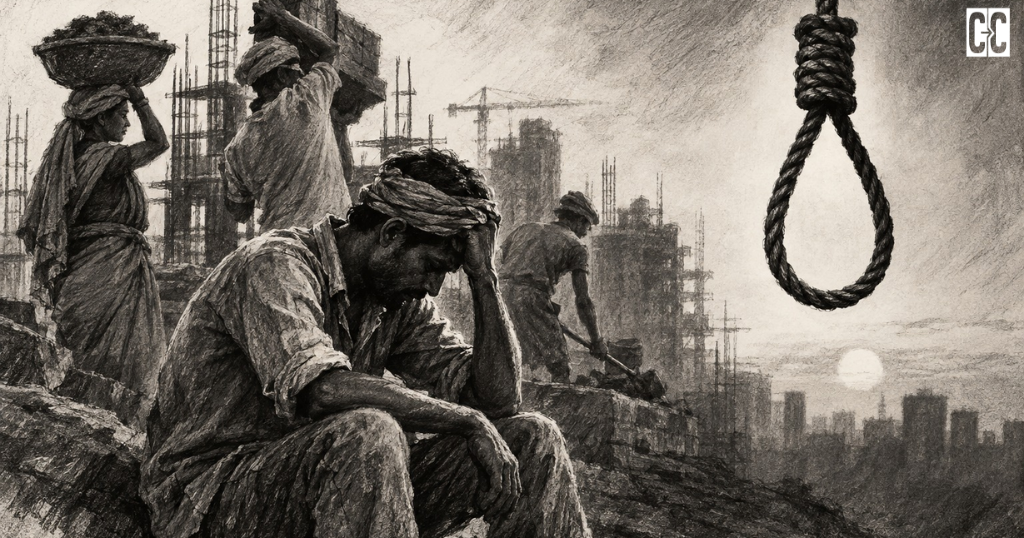
According to the National Crime Records Bureau (NCRB), 47,170 daily-wage earners died by suicide in India in 2023. They accounted for 27.5% of all recorded suicides that year. This means that more than one in four people who died by suicide belonged to a group whose livelihoods often depend on finding work each day.
The figures raise an uncomfortable question: Are India’s mental health conversations reaching the people who may be least equipped to seek help?
A Growing Concern Among Daily-Wage Workers
The NCRB figures become more concerning when examined over time. In 2019, India recorded 32,563 suicides among daily-wage earners. By 2023, the number had increased to 47,170. That represents an increase of approximately 45% in four years.
Their share of all recorded suicides also rose from 23.4% in 2019 to 27.5% in 2023.
These numbers deserve attention. However, they require careful interpretation.
An increase in recorded suicides does not necessarily mean that individual daily-wage workers face a higher suicide risk than other occupational groups. Establishing that would require reliable information about the size and composition of India’s daily-wage workforce.
Nevertheless, the absolute numbers are substantial. They point towards a population that deserves greater attention in mental health research and public policy.
When Economic Insecurity Meets Mental Distress
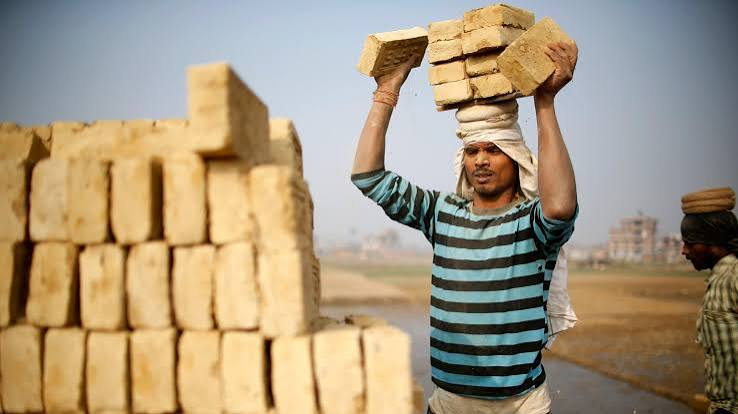
For a daily-wage worker, financial uncertainty can be a constant companion. Irregular employment, outstanding loans, family responsibilities and unexpected medical expenses can place considerable pressure on households.
A worker who loses employment may also lose the ability to pay rent, purchase medicines or support children’s education.
These pressures can affect emotional well-being. Yet economic hardship should not automatically be treated as the cause of suicide.
Suicide is complex. Mental health conditions, personal circumstances, social relationships and several other factors can contribute to an individual’s vulnerability.
The NCRB’s occupational classification does not establish why a person died.
Still, it is difficult to fathom how mental health programmes can adequately address vulnerable populations without considering the circumstances in which they live and work.
For workers with uncertain incomes, seeking professional help may involve more than overcoming stigma. It may also mean losing wages, paying for transport or travelling considerable distances to reach a healthcare facility.
India’s Mental Health Treatment Gap
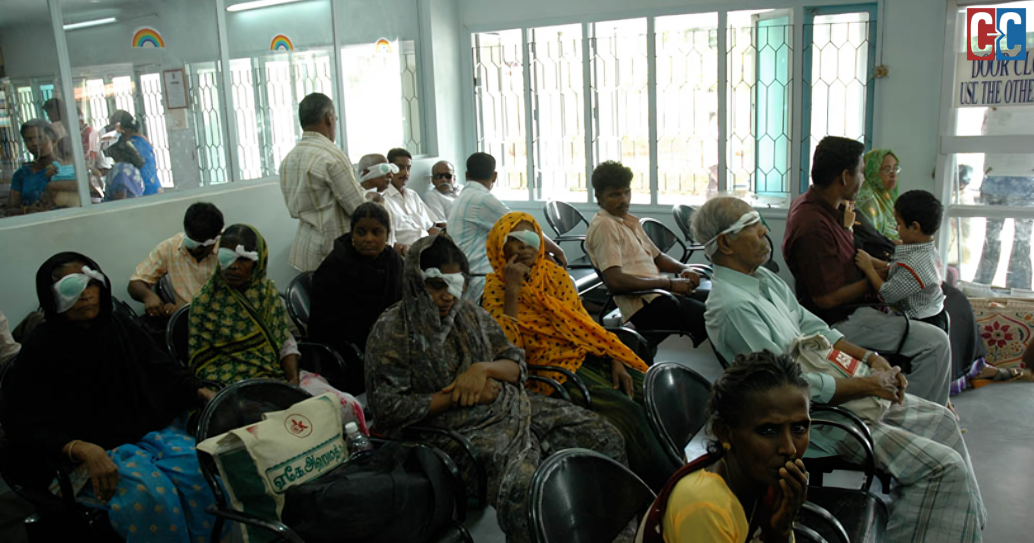
NIMHANS conducted the India’s National Mental Health Survey, during 2015–16 across 12 states, which estimated an overall mental health treatment gap of 84.5%. In simple terms, the survey suggested that approximately 85 out of every 100 people experiencing mental morbidity were not receiving treatment. The survey also estimated that nearly 150 million Indians were living with some form of mental morbidity.
These findings exposed the enormous distance between the need for mental healthcare and access to treatment.
A decade later, the important question is whether that gap has narrowed.
India has expanded its mental health services substantially. However, the historical treatment-gap estimate cannot establish how many people remain untreated today.
A comparable, updated national assessment would help policymakers understand where progress has occurred and which populations remain underserved.
India’s Mental Health Helpline Has Received 47.75 Lakh Calls
There have been important developments in India’s mental healthcare system. The government launched Tele-MANAS in October 2022 to provide free, round-the-clock mental health support through telephone counselling. According to the Union Ministry of Health and Family Welfare, the service had received 47.75 lakh calls by October 2026.
It operates through 53 cells across all 36 states and Union Territories.
The government also reports that the District Mental Health Programme has been sanctioned for 767 districts. Mental health services have been integrated into more than 1.83 lakh Ayushman Arogya Mandirs.
These initiatives represent significant efforts to expand access.
But an important distinction remains.
The number of calls received indicates demand for support and utilisation of the service. It does not independently establish how many individuals received sustained treatment or experienced improvements in mental health.
For daily-wage workers, accessibility also depends on awareness, language, confidentiality and the availability of follow-up services.
Are We Reaching the Most Vulnerable?
The government has also introduced MANN Jaagriti, an initiative intended to strengthen community awareness and encourage people to seek mental health support.
Awareness is only one part of the problem. For a construction worker struggling with mental distress, knowing where to seek help may make little difference if getting that help means losing a day’s wage. For someone without regular work, the immediate worry may simply be paying the next rent or buying food.
Mental healthcare cannot resolve every economic difficulty. Equally, employment and social protection programmes cannot replace professional mental health services.
The two need to complement each other.
This calls for stronger connections between community healthcare workers, mental health professionals, employers, labour organisations and social protection systems.
It also requires better information about who uses mental health services, who receives referrals and who continues treatment.
The Questions India Must Ask
World Mental Health Day 2026 carries the theme “Lived Experiences Heard: Real Voices, Real Change.”
The theme offers an opportunity to reconsider whose experiences inform India’s mental health policies.
Daily-wage workers are not a homogeneous population. Their working conditions, incomes and access to services differ considerably.
Understanding these differences requires research that goes beyond counting deaths or recording helpline calls.
It requires listening to workers, understanding their circumstances and identifying the barriers that prevent them from seeking care.
India has made considerable progress in bringing mental health into public conversations.
The expansion of telephone counselling and community-based services is encouraging.
The next challenge is to establish whether these services are reaching people who have historically remained outside the formal healthcare system.
The 47,170 daily-wage earners who died by suicide in 2023 should not become another statistic that we acknowledge once a year and then forget.
Their deaths demand careful investigation, stronger prevention efforts and a clearer understanding of the relationship between livelihoods and mental health.
Because a mental healthcare system must be judged not only by how many people can call for help, but also by what happens after they do.
Clear Cut Health Desk
New Delhi, UPDATED: October 10, 2026 16:40 IST
Written By: Clear Cut Editorial Team