

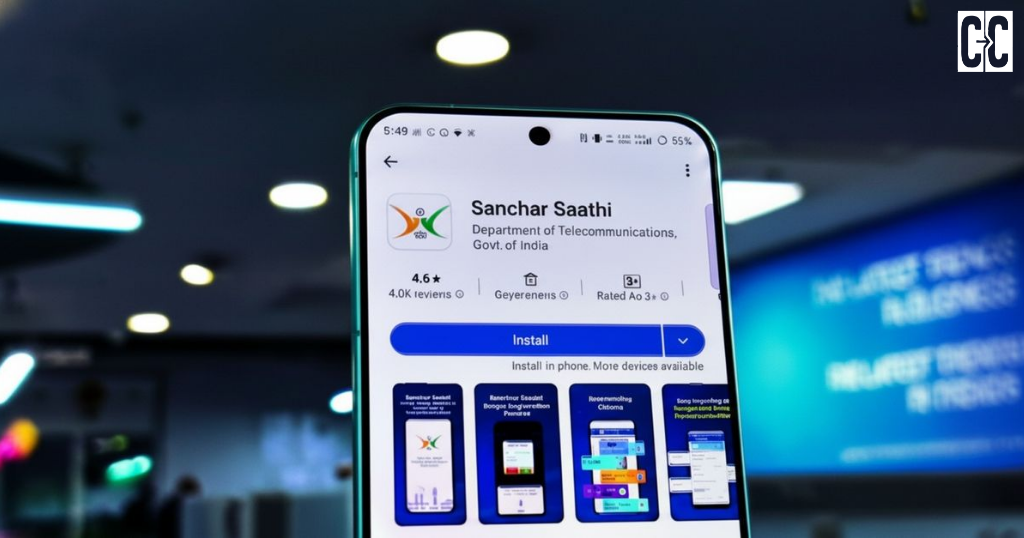
- Sanchar Saathi recovered a record 77,692 lost or stolen mobile phones in July 2026, showing the growing effectiveness of the CEIR-based recovery system.
- At the same time, the platform continues to raise privacy, surveillance and digital-access concerns, especially among less digitally aware citizens.
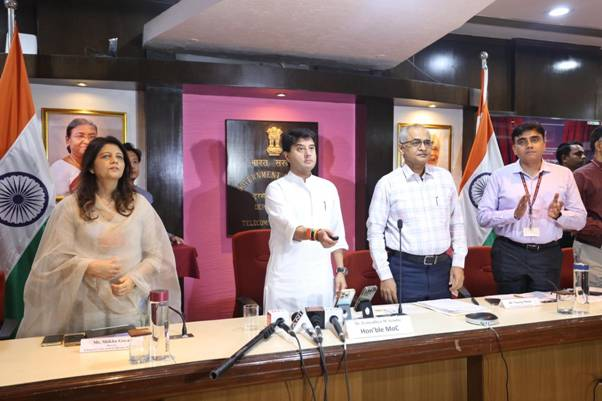
India’s Department of Telecommunications (DoT) recovered 77,692 lost or stolen mobile handsets in July, the first time the citizen-facing Sanchar Saathi platform has reached 75,000 recoveries in a single month since its launch in May 2023, the Ministry of Communications reported on August 28 via Press Information Bureau. Union Communications Minister Jyotiraditya M. Scindia attributed the rise to improved inter-agency cooperation among the DoT, telecom service providers, and various state police forces, adding that monthly recoveries are up 201 percent compared with April 2025.

The recoveries are processed through the Central Equipment Identity Register (CEIR). This centralised IMEI-tracking system allows citizens to report a lost or stolen device via the Sanchar Saathi web portal or mobile app. A reported handset is blocked across all Indian telecom networks; any attempt to activate it with a new SIM triggers an alert to both the owner and the nearest police station. DoT said recent upgrades now notify citizens by SMS, email, and app of exactly which police station is handling their case, and share the device’s alternate SIM contact number with investigators to speed up tracing. Recovered owners are advised to factory reset their phones to clear any malware that may have been installed while the device was missing.
The July figure caps a steady climb since launch:
| Milestone | Period |
| Sanchar Saathi platform launched | May 2023 |
| Cumulative recoveries cross 6 lakh nationwide | September 2025 |
| First month to cross 50,000 recoveries; cumulative tops 7 lakh | October 2025 |
| First month to cross 75,000 recoveries (77,692 handsets) | July 2026 |
Karnataka and Telangana had each logged over 1 lakh cumulative recoveries by late 2025, with Maharashtra close behind at over 80,000, per DoT figures reported at the time.
The milestone comes against a backdrop of rising digital-era crime: National Crime Records Bureau data show that recorded cybercrime cases nationally climbed from roughly 52,000 in 2021 to over 86,000 in 2023, underscoring why device-level security tools have become a policy priority.
Interestingly enough the same platform that the DoT is raving about for its recovery figures was locked in a fierce digital-rights battle at the centre of a problem last winter. On November 28 2025, the DoT’s AI & Digital Intelligence Unit imposed a mandate on mobile phone manufacturers to install its Sanchar Saathi application, unremovable and unrestrained, on all devices manufactured for sale in India within 90 days.
“Disproportionate, legally weak, and systemically antagonistic to user privacy and user autonomy,” the Internet Freedom Foundation said about the app. Fundere director of the Internet Freedom Foundation, Apar Gupta, said, “The app has functionality that is already available on the web. And from that perspective, there is no need to make this mandatory download of an app.” The app was described as “snooping” by Congress leader Priyanka Gandhi. At the same time, Meghna Bal from the Esya Centre said that adequate precautions to test the app’s security for citizens’ data were not in place, and there was no public scrutiny or oversight during its rollout.
Facing bipartisan pushback, the government withdrew the mandate on December 3, insisting the app serves no function beyond citizen protection and can be deleted at will. It attributed the U-turn to a tenfold jump in daily downloads — from an average of 60,000 to roughly 6 lakhs — pushing cumulative installs past 1.4 crore. Notably, the ministry’s own statement conceded the mandate was meant to speed adoption and reach “less aware citizens” — an acknowledgment that a self-reporting security net still depends on digital literacy and awareness that is unevenly spread across India’s rural and lower-income populations.
Independents, in separate reports, have also stated that thousands of users haven’t even registered, which does diminish the reach of protection on mobile devices beyond the mobile-literate and urban dwellers. The Sanchar Saathi is still voluntary, and the DoT said that approximately 2000 potential fraud calls were reported each day through it. The July report is an achievement against mobile device thefts that can be tracked – but poses the same, unsolved question: how can we extend a security net based on app installs and technology know-how to the poorest of citizens who wouldn’t be able to use it?
Clear Cut Research Desk
New Delhi, UPDATED: September 01, 2026 14:30 IST
Written By: Yatharth Pathak