
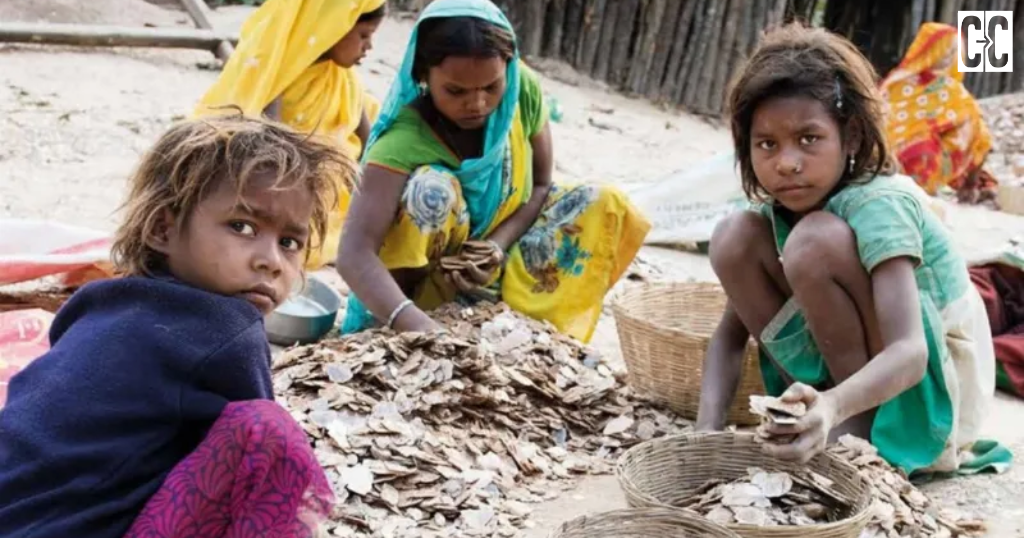
- 3,800+ children were rescued and over 575 FIRs were registered during NCPCR’s pan-India child labour campaign from June 12 to August 31, 2026.
- The campaign highlights that rescue alone is not enough; rehabilitation, education, compensation and family support are essential to prevent children from returning to labour.
When more than 3,800 children are rescued from labour, the number is both a measure of enforcement and a reminder of the problem that still exists beneath the surface. A recent Press Information Bureau (PIB) release says the National Commission for Protection of Child Rights (NCPCR), in collaboration with State governments and Union Territory administrations, rescued over 3,800 children during a special pan-India campaign conducted from 12 June to 31 August 2026. More than 575 FIRs were registered during the campaign.
The numbers behind the campaign
Indicator Campaign outcome
Children rescued 3,800+
FIRs registered 575+
Campaign period 12 June–31 August 2026
Coverage Pan-India
The campaign was not limited to rescue operations. According to the PIB, NCPCR asked authorities to focus on identification, rescue, rehabilitation, restoration, compensation and educational mainstreaming. District administrations were also engaged to address operational bottlenecks and improve coordination among labour departments, the police, and other agencies. That distinction matters. Removing a child from a workplace is only the first step.

Rescue is the beginning, not the finish line.
India’s legal framework prohibits the employment of children below 14 in occupations and processes, while adolescents aged 14–18 are prohibited from hazardous work. The framework was strengthened through the 2016 amendment to the Child and Adolescent Labour (Prohibition and Regulation) Act. India subsequently ratified ILO Conventions 138 and 182 on minimum age and the worst forms of child labour in 2017.
But child labour is rarely just a labour-law issue. It is closely connected to household poverty, insecure livelihoods, migration, trafficking, school exclusion and weak social protection.
UNICEF notes that children often enter labour when families face economic shocks such as poverty, illness or loss of a primary wage earner. Child labour can then reinforce the same cycle by cutting children off from education and limiting their future opportunities. This is why rehabilitation must be treated as seriously as rescue.
The Ministry of Labour and Employment’s 2025–26 annual report states that the earlier National Child Labour Project has been subsumed into Samagra Shiksha, with rescued children eligible for admission to Special Training Centres upon completion of necessary formalities. The Ministry also operates the PENCIL portal, which provides mechanisms for reporting and tracking child-labour cases.
A global problem with a local face
The Indian campaign comes against a difficult global backdrop. The latest ILO-UNICEF estimates put the number of children in child labour worldwide at nearly 138 million in 2024, including around 54 million in hazardous work. Although the global number has fallen by more than 20 million since 2020, the world still missed its 2025 target of eliminating child labour.
Child labour, according to the ILO, is both an effect and a cause of poverty, and its findings suggest that wider approaches, not just law enforcement, coupled with social protection, adequate education and the provision of decent work for adults, are necessary.
That perspective is crucial for India. A child rescued from a workplace can return to school only if the family has enough economic security to avoid sending the child back to work.
The real test comes after the headlines
More than 3,800 rescues also indicate the gains from joint enforcement. The more than 575 FIRs indicate that accountability is also being delivered alongside rescue.
But a truer measurement of success would be the future outcomes-How many children return home safely? How many returns to school and stay in education? How many are compensated and rehabilitated? And to what extent are vulnerable families linked up with social protection and livelihood services?
The campaign, therefore, offers an important social lesson: ending child labour cannot mean merely removing children from workplaces. It must mean creating conditions in which children do not have to return.
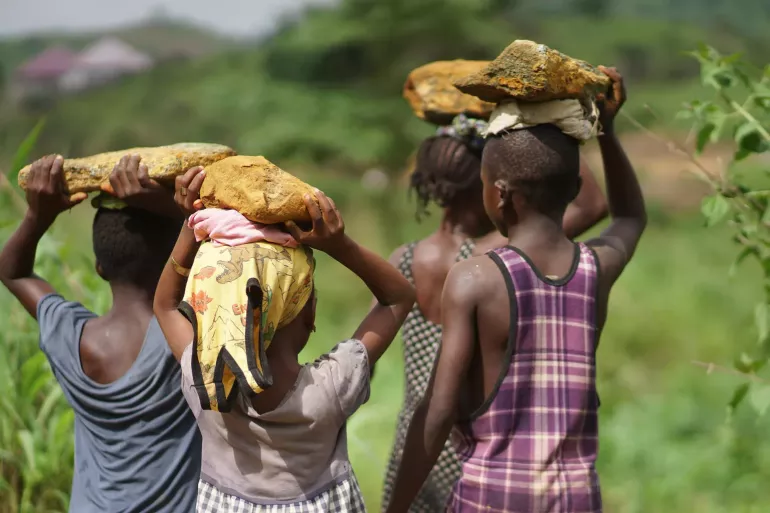
For every rescued child, the ultimate victory is not another rescue statistic—but a classroom seat, a safe home, continued education and the opportunity to grow up without work replacing childhood.
Clear Cut Child Protection Desk
New Delhi, UPDATED: September 07, 2026 19:00 IST
Written By: Yatharth Pathak