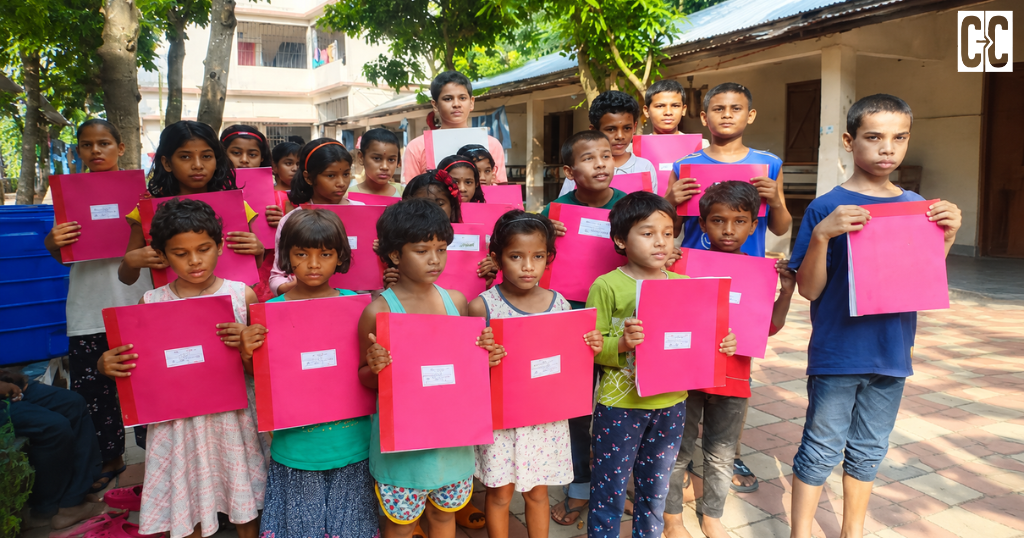

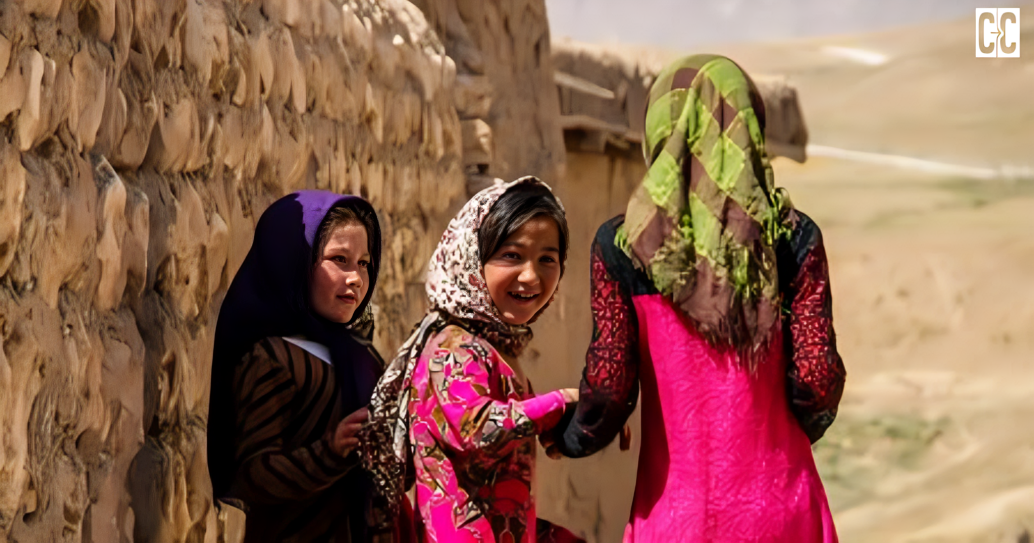
Five years after the Taliban takeover, Afghanistan remains the only country barring girls from secondary school. Its crisis is extreme, but no society has finished the job.
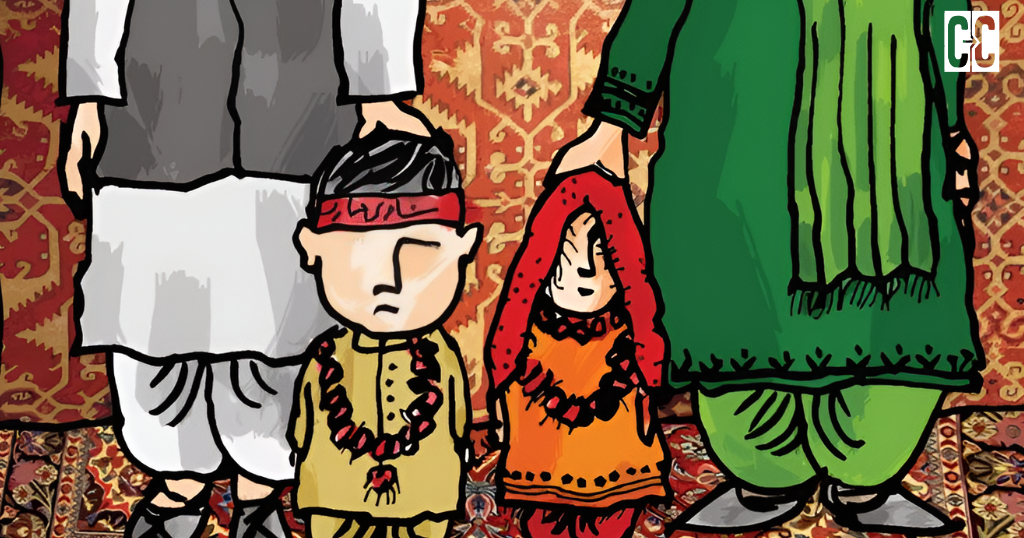
UNICEF estimates that one in five girls worldwide is married before 18, and that more than 12 million are married every year, roughly one every three seconds. That is the backdrop to International Day of the Girl Child on 11 October, marked since the UN General Assembly adopted Resolution 66/170 in 2011, and to its 2026 theme: end child marriage and invest in girls’ rights.
Afghanistan: Exclusion as state policy
Afghanistan is the only country that bars girls and women from secondary schools and universities. UNESCO’s latest count puts 2.4 million girls out of secondary school, 200,000 more than a year ago, possibly nearing four million by 2030; UNICEF says more than 2.6 million have been denied secondary education since 2021. UN Women says the de facto authorities have issued more than 100 decrees targeting women and girls, making Afghanistan “a global outlier with no parallel in the modern world.”
In a UN Women survey of 3,200 Afghan women, more than half said they leave home only once or twice a month, and seven in ten rated their mental health bad or very bad. UNICEF reports that midwives are being pushed out of the medical field just as young women are barred from entering it, leaving many mothers without prenatal care. More than 10.7 million women and girls need humanitarian aid this year, yet Susan Ferguson, UN Women’s Afghanistan representative, warns that over half of 74 women’s organisations surveyed in April could close within a year, with the UN’s $1.7 billion appeal only 25 per cent funded.
The decrees touch the Day’s own theme. UN human rights chief Volker Turk says this year’s rules make it harder for a woman to leave a spouse and “implicitly authorise child marriage.” Accountability is inching forward: on 5 October the International Criminal Court unsealed arrest warrants for four senior Taliban figures, including the education and higher-education ministers, for the crime against humanity of gender persecution. ICC Deputy Prosecutor Nazhat Shameem Khan called the two ministerial warrants “a further vindication of the rights of Afghan women and girls.” The Taliban government calls the education ban an internal matter.
Beyond Kabul: Gaps, Laws and Crimes
Afghanistan is a special case when it comes to the nature of inequality rather than its existence. According to Georgetown’s Women, Peace and Security Index, Afghanistan has the worst score in the world – 181 out of 181 countries (Denmark is the best), but there is no such thing as a perfect society. As of 2026, the gender gap across 145 countries has narrowed by 69.2 percent, according to the World Economic Forum’s Global Gender Gap Report 2026. On current trends, and if countries continue on this path, it is likely to take up to 120 years to close the gender gap, and political empowerment at only 22.1 per cent. This is even worse when it comes to South Asia where just 40.9 percent of the economic gap has been closed, the poorest performance by region. The United Nations report, Gender Snapshot 2026, painted a dire picture, with no SDG 5 indicator on target to gender equality by 2030, and a prediction that equality will be 171 years away if trends continue. “Equality without power is not equality at all,” said Sima Bahous,
Executive Director of UN Women. Laws lag. The World Bank’s Women, Business and the Law 2026, covering 190 economies, finds women enjoy only two-thirds of men’s legal rights, and just 4 per cent of women live in economies close to full legal equality. Norms lag further: UN data show more than a third of adolescents aged 15–19 consider a husband justified in hitting his wife in some circumstances, and no country with data has met even half of the 16 SDG targets crucial to adolescent girls’ well-being.
Violence is the starkest thread. WHO’s 2025 estimates show nearly one in three women, about 840 million, have faced partner or sexual violence, a figure barely changed since 2000; WHO chief Tedros Adhanom Ghebreyesus calls it “one of humanity’s oldest and most pervasive injustices.” UNODC and UN Women count about 50,000 women and girls killed by partners or relatives in 2024, or 137 a day, with Africa’s rate (three per 100,000) six times Europe’s (0.5). India, ranked 131st on the WEF index with women’s economic parity at 41.2 per cent, recorded 4.41 lakh crimes against women in 2024, or 64.6 per lakh women.
What works, and what is at risk
UNICEF estimates 68 million child marriages have been averted in 25 years through girls’ education, legal reform and social protection. Gains are fragile. Girls in fragile and conflict-affected settings are nearly 90 per cent more likely to be out of secondary school, and funding for gender equality has fallen to its lowest level since 2021, hitting women’s organisations hardest. For Afghan girls, the first step is reopening classrooms; elsewhere, laws, enforcement and money must catch up with promises made to girls.
Clear Cut Child Protection Desk
New Delhi, UPDATED: October 11, 2026 19:33 IST
Written By: Yatharth Pathak