
Women in villages near Aligarh face multiple barriers to healthcare, including normalised menstrual pain, demanding agricultural and household workloads, limited sanitary pad supplies and a lack of accessible gynaecological services. Fieldwork in Tappal highlights women’s experiences and preferences for local health camps staffed by female clinicians, while raising unanswered questions about heat exposure, reproductive health and rural healthcare access.
A question instead of an answer
When asked about menstrual cramps, a woman in a focus group near Aligarh replied with a counter-question: “Why does it matter? Everyone goes through it.” This exchange appears in a March 2026 account by 4 graduate students at the University of British Columbia (Han et al., 2026). It captured the finding that shaped their fieldwork in Tappal, Uttar Pradesh. Not every woman who described pain or illness regarded it as a health problem.
What the fieldwork was
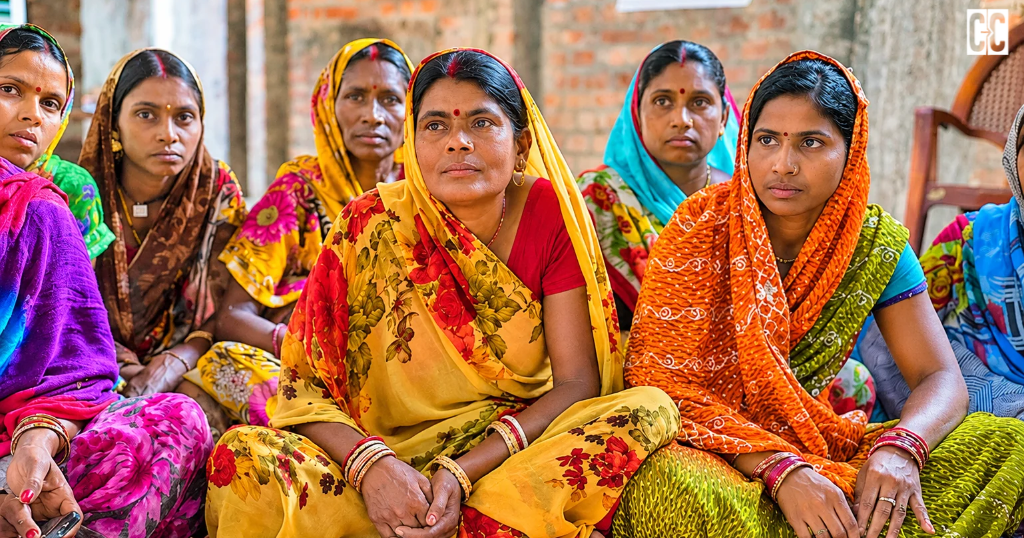
The account appeared on 30 March 2026 on the Speaking of Medicine and Health blog run by PLOS. It summarises fieldwork by Phoebe Han, Seleena Jarligo, Steewa Philip and Alyssa Victorino, students at UBC’s School of Public Policy and Global Affairs, for the Transforming Rural India Foundation (UBC School of Public Policy and Global Affairs, 2026). The method was focus groups with women’s collectives and interviews with health practitioners in peri-urban villages. The post does not state how many people took part. It is a guest blog post, not a peer-reviewed study, and it carries a disclaimer that the views are the authors’ own.
What women described
Participants described uterine prolapse, painful and irregular periods, vaginal infections and premature hysterectomies. They attributed these to rising temperatures and heavy work in the fields. That link is the women’s own account. The post does not describe any clinical examination, so it cannot show that heat or labour caused any condition (Han et al., 2026).
Time was the second barrier. The authors describe a triple burden of field work, caregiving and housework that left women little capacity to seek care. Pain had also been normalised. Where a problem is not named as a problem, services built to treat it can go unused.
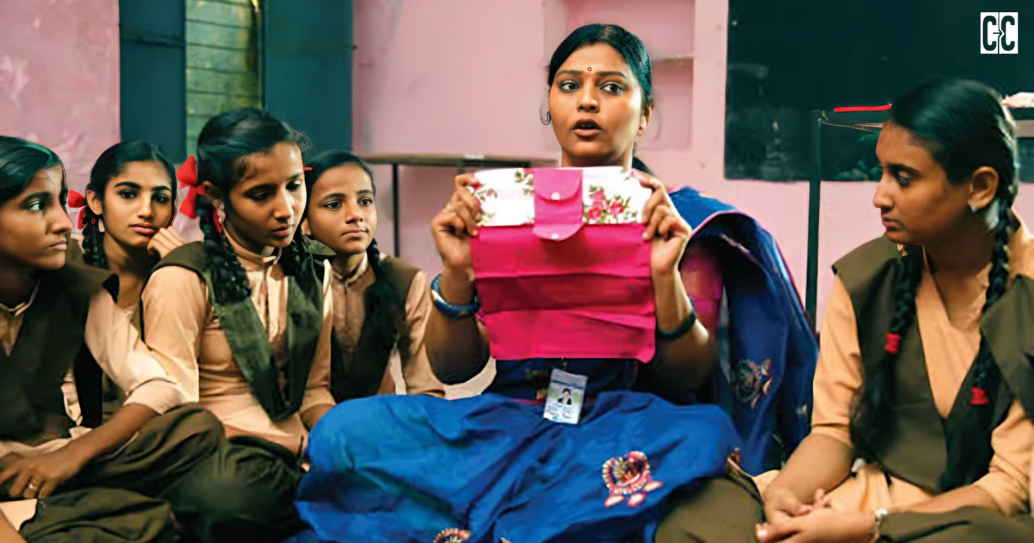
Local services added friction. Women said they did not receive subsidised sanitary pads from Accredited Social Health Activists (ASHAs). The ASHAs in Tappal told the authors that supply was limited and was given on a first come, first served basis. Women preferred nearby temporary health camps, and said they would be more comfortable with female clinicians at local centres (Han et al., 2026).
The wider evidence
National data show that hysterectomy is not rare. In the fifth National Family Health Survey, 3.3 per cent of women aged 15 to 49 reported having had the procedure, and the odds were higher among rural women (BMC Women’s Health, 2022). A review cites a survey of rural women in Chittoor district, Andhra Pradesh, in which prevalence was 14.0 per cent among women working in agriculture and 2.8 per cent among housewives (PubMed Central, 2024). Comparable estimates for Aligarh or Uttar Pradesh were not identified in the sources examined.
Heat adds a further layer. The Lancet Countdown 2025 estimated that heat exposure cost India 247 billion potential labour hours in 2024, with agriculture accounting for 66 per cent (eNewsroom, 2026). A joint FAO and WMO report in April 2026 noted that female agricultural workers, often paid by output, restrict their water intake and delay urination because fields lack sanitation (Down To Earth, 2026). Agriculture employs 64 per cent of Indian women in the workforce, against 37 per cent of working men, according to a World Bank figure cited by the UBC authors (Han et al., 2026).
Why the question is current
On 30 January 2026 the Supreme Court held in Dr Jaya Thakur v Government of India that menstrual health is part of the right to life under Article 21. It ordered free sanitary napkins and functional toilets in schools (The Wire, 2026). The ruling concerns schoolgirls. The UBC authors argue that women outside school, including older farmworkers whose needs go beyond menstruation, fall outside its scope.
The unanswered question
Several questions need data that the fieldwork does not supply. How many women in these villages live with prolapse or recurrent infection? Which gynaecological services does the nearest primary health centre offer, and how often? In how many cases was hysterectomy medically indicated, and where was it done? Pad supply is a narrower, testable question: how many pads does each ASHA receive, and how many women are eligible?
The authors also note reporting on women sugarcane workers in Maharashtra who were pushed into hysterectomy so that they could work longer hours (Han et al., 2026). Whether any comparable pressure operates near Aligarh has not been examined in the sources reviewed.
The women’s stated preference is a health camp near the village, timed around field work and staffed by female clinicians. Whether such a camp reduces untreated prolapse or unnecessary surgery is a claim that can be tested. A pilot in Tappal, measured against a baseline, would show whether it holds.
Clear Cut Health Desk
New Delhi, UPDATED: November 27, 2026 23:00 IST
Written By: Tanmay J. Urs