
Kalike’s library programme has expanded across government schools and panchayat libraries in Koppal and Yadgir, Karnataka, reaching thousands of children. However, ASER 2024 district reading figures raise questions about learning outcomes, programme impact and long-term sustainability. With limited published evidence linking library access to improved reading levels, the programme highlights the need for independent evaluation
ASER 2024 produced a contrast that a library programme’s supporters will not find convenient. In Koppal district of Karnataka, 32.3 per cent of children in Standards 3 to 5 could read a Standard 2 text. In Yadgir, the figure was 9.5 per cent. The state average was 25.2 per cent. Both districts host the same library programme, run by Kalike with support from Tata Trusts.
ASER is a survey of rural children’s learning. It is not an evaluation of any programme, and district estimates reflect many influences: household education, poverty, language, school quality and attendance. The gap between Koppal and Yadgir cannot be attributed to libraries. But the figures set a bar. After nearly a decade of library work, reading levels in these districts are not uniformly strong, and the programme’s published reports describe books, rooms and reading sessions rather than reading-level results.
What Kalike has built
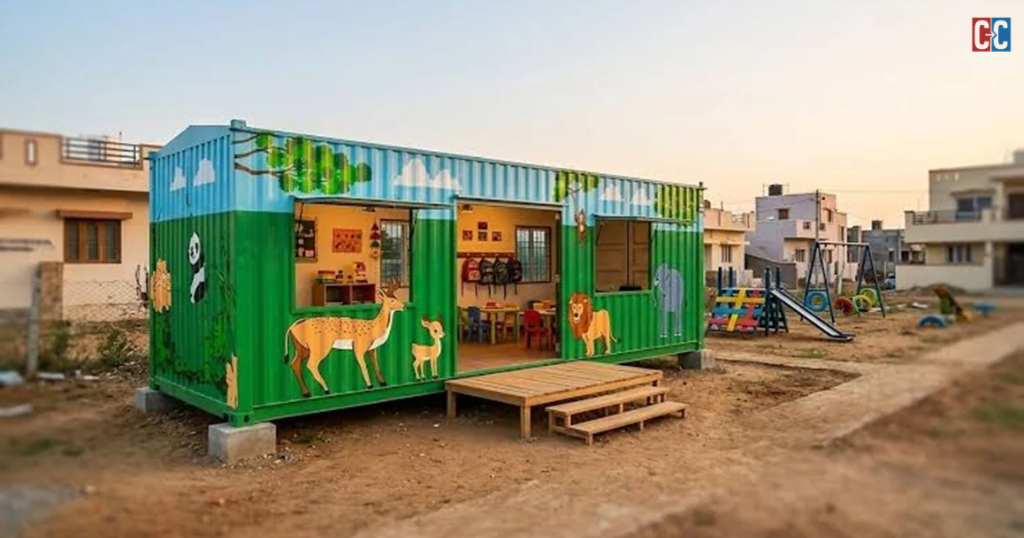
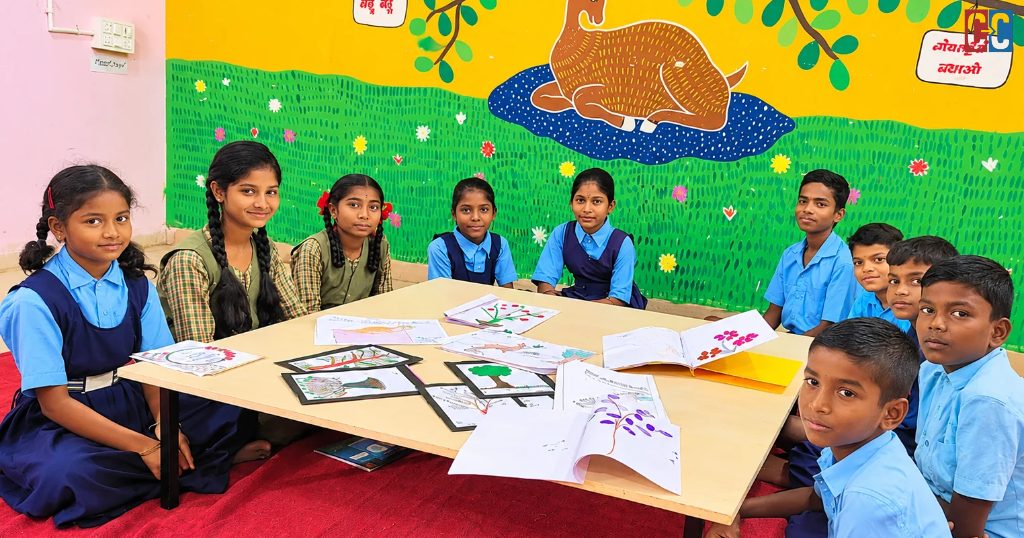
According to Tata Trusts’ Horizons magazine, Kalike, an associate organisation of the Trusts, introduced its school library programme in 2015, guided by the Trusts’ Parag initiative. Other Trusts publications date the work from 2016, when Yadgir was the pilot. The most recent account reports libraries in more than 300 government schools (over 200 in Koppal and over 100 in Yadgir), with 46,158 children benefiting. Kalike has also turned 227 panchayat libraries into child-friendly spaces, and the Trusts count more than 540 home libraries in the two districts, many set up by children themselves.
A panchayat library expansion in Yadgir grew from a 20-library pilot to 200 libraries within seven months, with funding from UNICEF, according to the Trusts. That pace suggests strong delivery capacity. It also shows how much of the programme’s growth has depended on outside funders.
What the evidence shows
The Trusts’ evidence is largely descriptive. One account tells of a girl in Kadechur village in Yadgir who set up a home library, and says 24 other children in her village did the same. Such stories show that books are being taken up. They do not show learning gains. Published evaluations of the programme’s effect on reading levels were not identified in the sources examined.
The wider trend complicates attribution. Nationally, ASER found that the share of Standard 3 children able to read a Standard 2 text recovered to 27.1 per cent in 2024, after falling to 20.5 per cent in 2022 and standing at 27.3 per cent in 2018. In Karnataka’s government schools, The News Minute reported, Standard 3 children reading at Standard 2 level rose from 7.7 per cent in 2022 to 15.4 per cent in 2024, though from a low base. Improvement of that kind is statewide and happened in many places without the programme, so rising scores in Koppal or Yadgir alone would not demonstrate that libraries caused them.
The sustainability test
A library needs a room, books, a trained person and a committee. An early programme manager recalled that schools first offered their poorest rooms, which Kalike then converted. The home libraries, according to the Trusts, grew out of children’s experience of a good school library, and they gained momentum during the Covid-19 lockdown, when children could not reach the school collection. Both suggest that the effect depends on the quality of the first library experience.
What happens after external support ends is not described. The panchayat libraries were expanded with UNICEF funding, and the school libraries have relied on the Trusts. The sources do not say who will pay for new books and animators in five years, or whether district education or panchayat budgets have taken on any of those costs.
The model works inside existing public institutions: government schools and gram panchayat libraries. That makes it a test of whether partnerships of this kind can scale beyond NGO-supported districts, which is a policy question and not only a programme one.
A convincing evaluation would be straightforward to design. Test reading in library schools and comparable non-library schools in the same district at baseline and again after two years. Record how often children use the libraries. Then return two years after external support ends to see which libraries are still open. Until such work exists, the district contrast in ASER 2024 remains unexplained, and the programme’s effect on reading remains unknown.
Clear Cut Education Desk
New Delhi, UPDATED: November 25, 2026 23:00 IST
Written By: Tanmay J. Urs