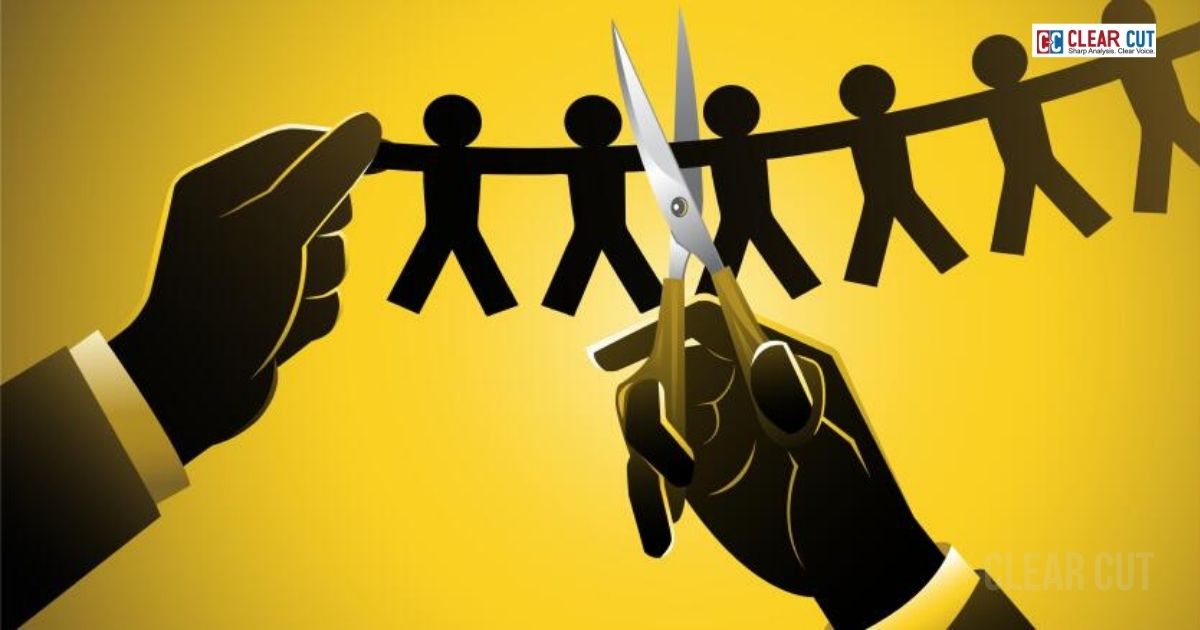
The World Health Organization has confirmed it will cut 2,371 jobs by June 2026, nearly a quarter of its global workforce. The trigger is clear: the withdrawal of funding by the United States, historically WHO’s largest voluntary donor. The figures are stark, but more worrying is what this says about global health security and the world’s poorest citizens.
A multilateral institution rarely collapses overnight; it erodes. First through budget uncertainty, then through frozen programmes, and last through the disappearance of people who once backed up global responses to disease outbreaks. The WHO announcement is not just a human-resource adjustment; it’s the start of an institutional weakening at precisely the moment global vulnerabilities are rising.
A Reduction in Capacity at a Dangerous Time
The most worrying is the timing: faster climate-linked disease patterns, higher urban density, more zoonotic spillovers, and weakened national health systems post-COVID. WHO personnel are not abstract paper-pushers in Geneva; they are epidemiologists stationed in Africa, maternal health coordinators in Asia, emergency response teams in conflict zones, and technical experts who build local surveillance systems.
When this workforce shrinks, the weakest systems feel it first. An outbreak that a WHO field team might have detected in its early hours could now take days longer. Vaccination campaigns that rely on WHO coordination may slow. Maternal-health programmes delivered in remote districts may lose expertise and monitoring. These losses do not show up in quarterly reports. They show up in worsening health outcomes.
The U.S. Withdrawal and Its Political Logic
The decision to pull U.S. funding is based less on technical assessments and more on domestic political signalling. Consecutive American administrations have swung between framing WHO first as a valued strategic asset, then as an easy target to take frustrations of geopolitical pique out on. The volatility in doing so makes a global public-good provider a hostage to electoral cycles.
The consequences are global. When a donor contributing almost 15 to 20 percent of voluntary funds steps back, the institution is left to fill a gap that cannot be quickly bridged by other countries. Other European donors and philanthropic institutions will increase contributions, but they cannot match in scale or immediacy U.S. funding.
Low-Income Countries Will Bear the Costs
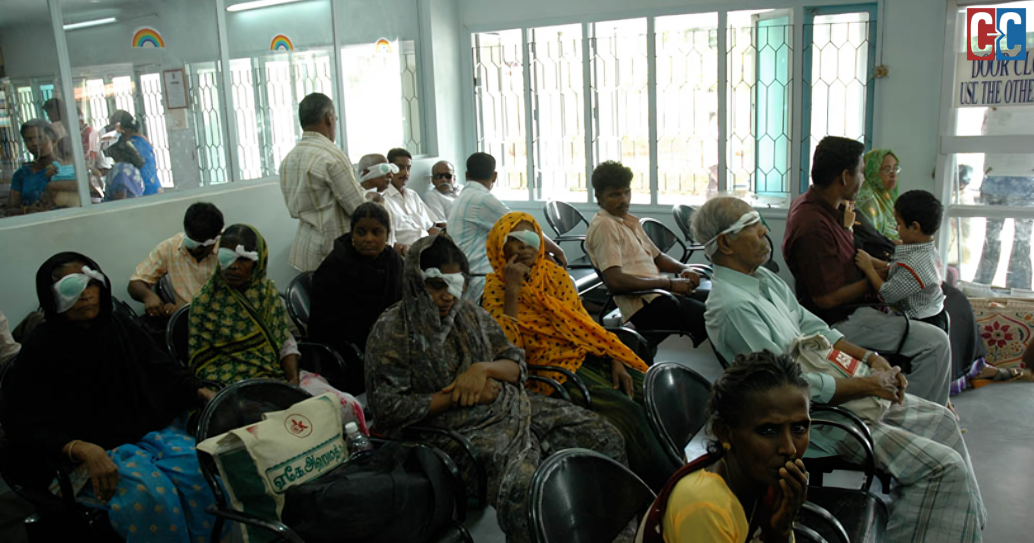
A high-income country can absorb a weaker WHO. Its national systems are strong enough to handle disease surveillance, emergency response, and public-health coordination. Low-income countries cannot. They depend on WHO technical missions for vaccine logistics, cholera responses, polio surveillance, nutrition guidelines, and training of frontline workers.
For them, WHO is not an advisory body; it is a partner which fills the capacity gaps.
The cuts in jobs will disproportionately affect Africa, South Asia, and the conflict-affected regions where WHO expertise is embedded within national programmes. The immediate risk is not institutional collapse but a slow, uneven widening of global health inequity.
A Moment of Reckoning for Multilateral Health Systems
The crisis lays bare a deeper structural fault: the world relies on a global health agency that is heavily reliant on voluntary, unpredictable contributions. The WHO’s core budget is a fraction of its total spending. Most operations run on earmarked funds tied to the political preoccupations of particular donors, which makes its work vulnerable to ideological shifts far removed from health needs.
If a pandemic were to emerge tomorrow, the world would expect WHO to move with speed and certainty. Yet the institution is being asked to perform global coordination with shrinking staff and unstable finances.
What Must Happen Now
If the world wants a functioning WHO for the next decade, three shifts are vital.
1. Assessed contributions of countries must be increased.
Obligatory contributions are predictable, voluntary ones are not. Unless the balance between the two changes, WHO will be at the mercy of the donors forever.
2. WHO should shield frontline operations from cuts
Technical staff in field missions must be the last to go. Any internal restructuring should put a premium on retaining competence at the field level.
3. National systems need to reinforce their own public-health capacity.
No global agency can substitute for strong national systems. Countries need better laboratories, surveillance networks, supply chains, and trained health workers.
A Decision That Echoes Beyond Geneva
These layoffs are not simply an institutional reorganisation of the WHO. They represent a moment when global health cooperation is being reshaped by geopolitical choice rather than public-health logic. The diplomats who made these decisions will not bear the cost. It will fall on the newborn waiting for its vaccine, the community fighting malaria, the refugee camp combating cholera, the health worker struggling to keep outbreaks under control with fewer partners and fewer resources. This is more than a simple technical reduction in the number of staff. It is a political decision with profound social consequences. And unless the world recalibrates, the vulnerabilities exposed today may well turn into the crises of tomorrow.
Clear Cut Health Desk
New Delhi, UPDATED: Nov 19, 2025 04:39 IST
Written By: Janmojaya Barik