Threads of cloth carry stories older than memory. Woven patterns echo across villages where hands shape identity through looms. Each piece links maker to user in quiet exchange. In homes far apart, daily life turns around spindles and shuttles. Patterns passed down become part of how people belong. Governments now look closely at these practices once taken for granted. Old ways meet new rules meant to shield them from fading. Economic survival often rides on a single thread pulled taut.
Weaving as Work and Culture
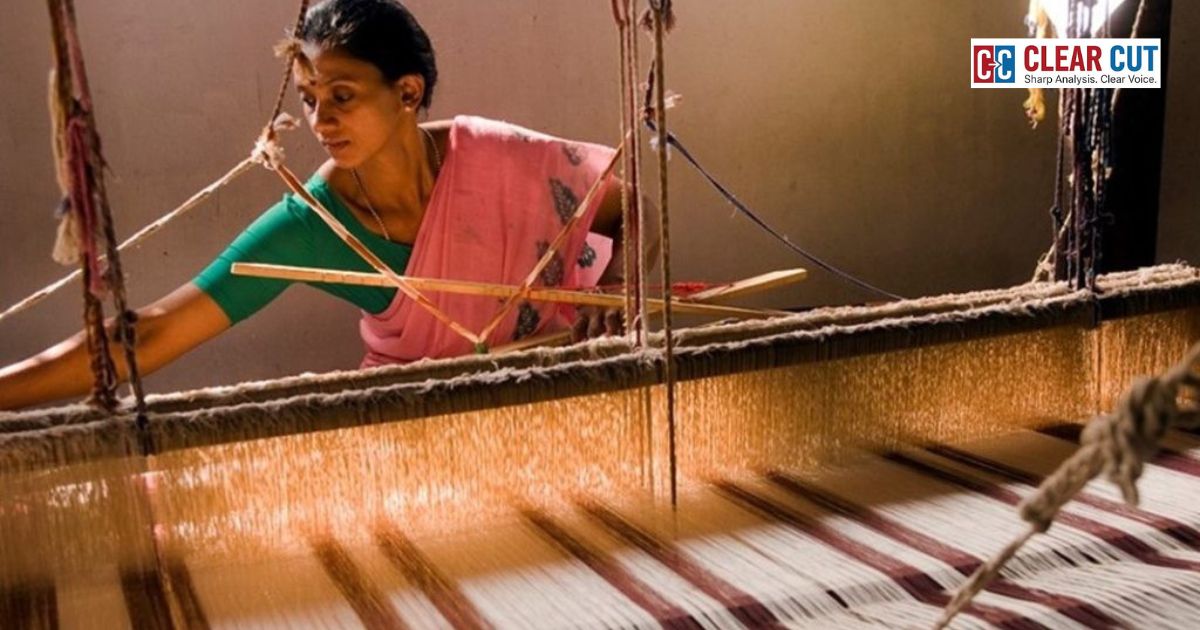
Fabric made on looms by hand stretches back to hundreds of years in India. From place to place, methods shift – each carries distinct patterns and meanings. What people wear, like sarees or wraps, grows from nearby resources and shared customs. Instead of rushing through machines, these cloths take shape patiently, guided by hands that know every thread. Stillness lives in each weave. From one generation to the next, weaving runs deep in their hands. These textiles breathe stories, shaped by touch and time
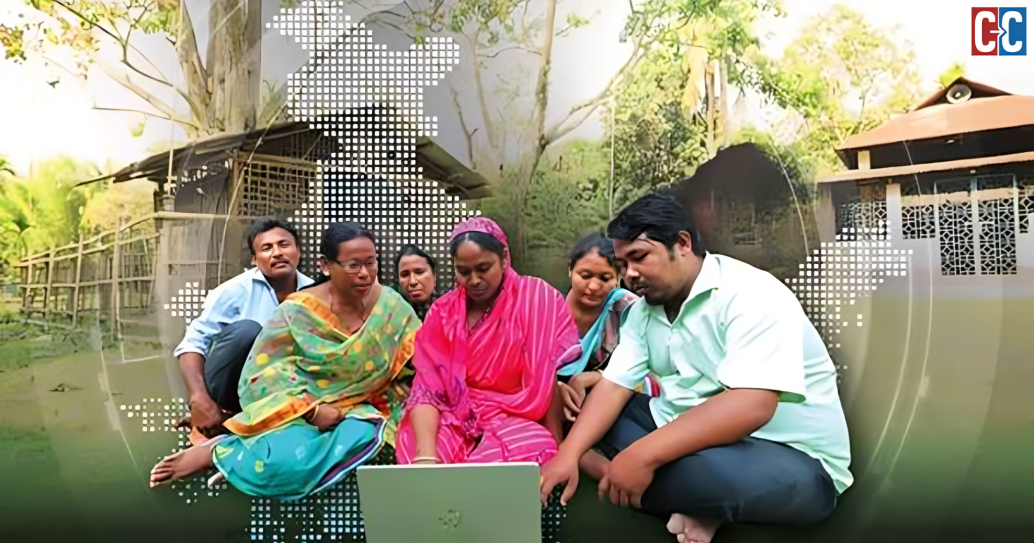
Folks in remote villages still rely heavily on weaving to get by. Women join hands with family members, spinning thread and making fabric that brings money home. Tasks shift with daily needs, rooted deeply in local ties. Staying put becomes easier when work wraps around community rhythms instead of factory clocks. Hand-dyed threads and slow-made textiles carry a feel factory can’t match – buyers notice, then spend extra without being told.
Platforms that Link Craft and Commerce
Folks who weave and dye by hand are finding new buyers through events like fairs and shows. Take the Hyderabad gathering focused on natural dyes and handmade work – craftspeople came from many parts of India just to share their cloth made with care. Run by a group called India Handmade Collective, it mixed old methods with chances to sell. Visitors saw saris, clothes, linens, even ornamental pieces, while learning how time-honoured making can also be kind to the planet.
When weavers meet buyers face to face, something shifts. Suddenly, handmade craft isn’t just another product on a shelf. These moments shine light where none shone before – on skills passed down quietly through generations. Big stores often overlook such detail. Yet here, tradition finds space to breathe. Recognition grows without fanfare. Value returns slowly, naturally.
Policy Support and Government Recognition
Besides being woven into tradition, handlooms also weave income for many across India. Government efforts, scattered through time yet steady in purpose, reach out to artisans – offering tools, protection, sometimes fairer markets. These moves quietly stitch survival into everyday work.
Handloom weaving gets support through a national effort aimed at steady progress across the entire field. Growth happens by focusing on local groups of artisans, opening doors to buyers, building skills, plus improving lives – whether they work within cooperatives or not.
Under broader policy frameworks, the government also provides schemes such as:
- Handloom Weavers’ Comprehensive Welfare Scheme, offering insurance and education support for weavers and their children.
- Raw Material Supply and Yarn Schemes that ensure affordable yarn at mill-gate prices.
- India Handloom Brand (IHB) initiative for branding products made with high quality and natural dyes, helping artisans gain market trust.
- Collaborative R&D projects for natural dyes to build sustainability and innovation in craft production.
Festivals now include nods to handloom craft, one example being a national day set aside just for it. Honours go to skilled artisans too – take the prize named after poet Sant Kabir, handed out by India’s president to those keeping old weaving ways alive while trying new ideas.
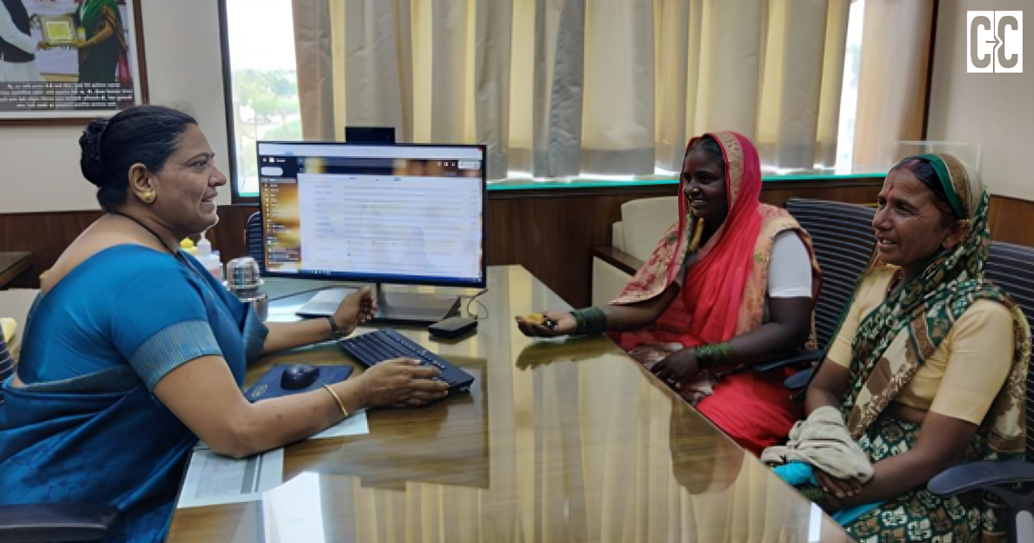
Funding flows differently these days in Assam. Weaving isn’t just craft anymore – recognition follows threads into official systems. Once informal, handloom work now holds papers that matter. Benefits arrive because cloth carries a tag of origin. Markets notice what used to stay unseen. Support sticks around when identity gets documented. Tradition finds new footing through paperwork others might overlook.
Weaving’s Future: Craft, Identity, Policy
Woven threads hold more than fabric – they carry generations. Support comes alive in bustling festival stalls, quiet policy rooms, bright labels, real buyer connections. When city shoppers choose cotton over polyester, something old feels urgent again. Young hands begin to see rhythm in the loom’s repeat. What was nearly lost now finds footing in daily choices. Handlooms mean more than cloth. They carry tradition, grow with nature, not against it, yet face uncertain paths ahead. Support from leaders, real access to buyers, these shape what comes next. Not merely a trade stuck in time, instead a flow of skills across generations.
Weaving holds people together while threading history into how villages earn, survive, stay whole.
Clear Cut Livelihood Desk
New Delhi, UPDATED: Dec 29, 2025 01:16 IST
Written By: Ayushman Meena