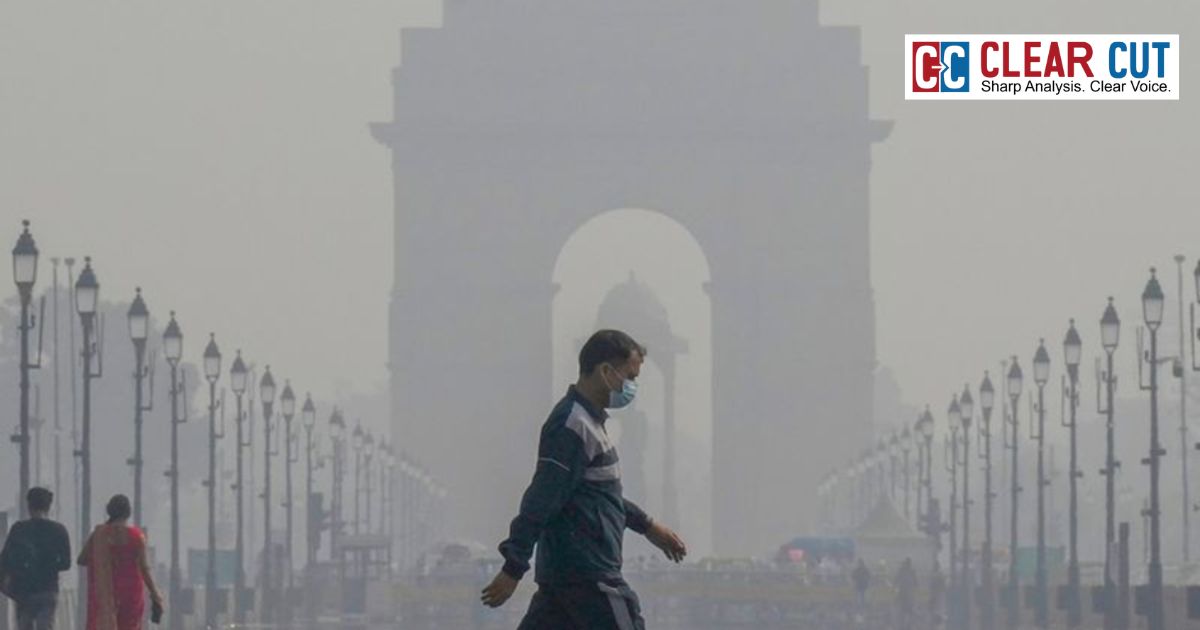
The Supreme Court of India has stepped in to address Delhi’s worsening air pollution. The court has directed the Union government and the Delhi government to submit a clear and time-bound action plan based on the recommendations of the Commission for Air Quality Management (CAQM). The order reflects the court’s concern that, despite repeated warnings, air quality in Delhi continues to reach dangerous levels year after year.
The court made it clear that policy promises are not enough. It wants concrete steps, fixed timelines, and clear accountability to improve air quality in the capital and the surrounding region.
What the Court Has Directed
In simple terms, the Supreme Court has asked the Centre and the Delhi government to explain how they will implement CAQM’s recommendations. The court wants to know who will act, by when, and how progress will be monitored.
Judges observed that Delhi’s air pollution cannot be treated as a seasonal problem. Every winter, air quality slips into the “very poor” or “severe” category. The court stressed that governments must move from emergency responses to long-term planning.
CAQM and Its Responsibility
The Commission for Air Quality Management was set up through a parliamentary law to handle air pollution in Delhi and the National Capital Region. It brings together officials from environment ministries, state governments, pollution control boards, and technical experts.
CAQM has issued several directions in recent years. These cover vehicle emissions, construction dust, industrial pollution, waste burning, and stubble burning in neighbouring states. The Supreme Court’s focus now is on whether these directions are being followed in practice.
Officials associated with CAQM have acknowledged that coordination between states and agencies remains a challenge.
Court’s Concern Over Weak Implementation
During the hearing, the court expressed dissatisfaction with the pace of action. Judges pointed out that governments often announce measures, but enforcement remains weak.
The court raised questions about staffing, monitoring capacity, and follow-up by enforcement agencies. It also noted delays in controlling construction dust and reducing vehicular emissions. According to the court, repeated failure to act shows a lack of seriousness.
By asking for a consolidated action plan, the court has signalled that fragmented efforts will no longer be acceptable.
Steps Taken So Far by Governments
Both the Centre and the Delhi government have listed measures already in place. These include the Graded Response Action Plan, restrictions on polluting vehicles, penalties for waste burning, and promotion of electric mobility.
However, the court noted that many of these steps activate only after pollution reaches alarming levels. Judges stressed the need for preventive action, especially before winter sets in.
Officials from the Ministry of Environment have also pointed out that pollution sources extend beyond Delhi. Crop residue burning and industrial emissions from neighbouring states add to the problem.
Health and Social Impact
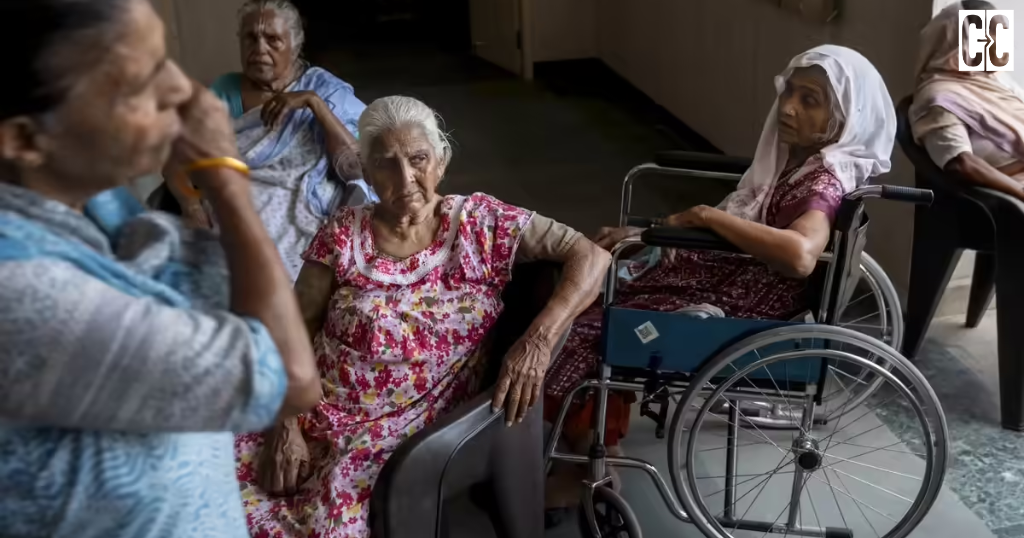
Air pollution directly affects public health. Doctors in government hospitals report higher cases of asthma, breathing disorders, heart disease, and lung infections during high pollution periods.
The impact is not equal. Low-income communities face greater exposure because they live near roads, construction sites, and industrial areas. Many cannot afford air purifiers or regular medical care.
Children, the elderly, women, and outdoor workers suffer the most. Public health experts argue that air pollution has become a social justice issue, not just an environmental one.
Transport, Construction, and Regional Challenges
Delhi’s pollution problem extends beyond city limits. Emissions from Haryana, Uttar Pradesh, and Rajasthan combine with local sources. CAQM’s mandate includes coordination with these states, but enforcement varies.
The court stressed the need to improve public transport and reduce traffic congestion. It also highlighted strict regulation of construction activities and dust control. Judges underlined the importance of long-term investment in clean energy and urban planning.
Urban development officials have admitted that short-term bans and emergency measures cannot solve a structural problem.
Importance of Judicial Oversight
Legal experts note that the Supreme Court often intervenes when executive action falls short. In this case, the court aims to force clarity and accountability.
By demanding a detailed action plan, the court wants governments to move beyond announcements. It also strengthens CAQM’s role as a coordinating authority with real influence.
The court’s intervention reflects frustration over years of slow progress.
Key Points at a Glance
- The Supreme Court has asked the Centre and the Delhi government for a clear action plan on air pollution.
- The plan must be based on CAQM recommendations.
- The court wants timelines, accountability, and enforcement details.
- Public health and social inequality remain central concerns.
- Long-term and preventive action is the court’s priority.
A Test of Governance and Commitment
The Supreme Court’s direction marks a crucial moment for air quality governance in Delhi. The message is direct: emergency measures are not enough. Clean air requires planning, coordination, and political will.
For Delhi’s residents, the outcome matters deeply. The action plan submitted to the court could decide whether air pollution remains a yearly crisis or finally moves toward lasting control. The responsibility now lies with governments to prove that clean air is a priority, not just a promise.
Clear Cut Research Desk
New Delhi, UPDATED: Jan 24, 2026 05:00 IST
Written By: Samiksha Shambharkar