
Punjab launches Sikhya Kranti 2.0 with ₹3,500 crore investment and World Bank support to transform public education. The reform focuses on learning outcomes, career readiness, and global standards.
Punjab has launched an ambitious second phase of its school education overhaul. The programme, called Sikhya Kranti 2.0, brings a ₹3,500 crore investment into the state’s public education system. The initiative is supported by a ₹2,500 crore loan from the World Bank along with ₹1,000 crore from the state government.
The reform will run for six years. It aims to shift Punjab’s schools towards global standards. Officials describe it as one of the largest education investments in the state’s history.
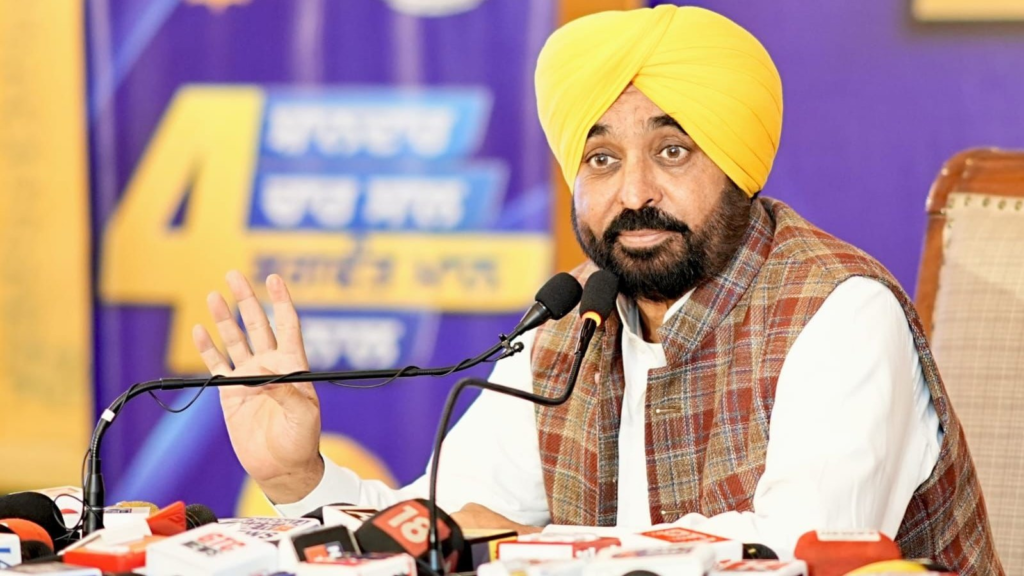
Chief Minister Bhagwant Mann said the partnership reflects rising global confidence in Punjab’s education reforms. He stated that the state is preparing its system “to compete with the best in the world.”
Focus on Learning Outcomes, Not Just Infrastructure
The new phase marks a shift in strategy. Earlier reforms focused heavily on infrastructure upgrades. The current plan prioritises measurable learning outcomes and employability.
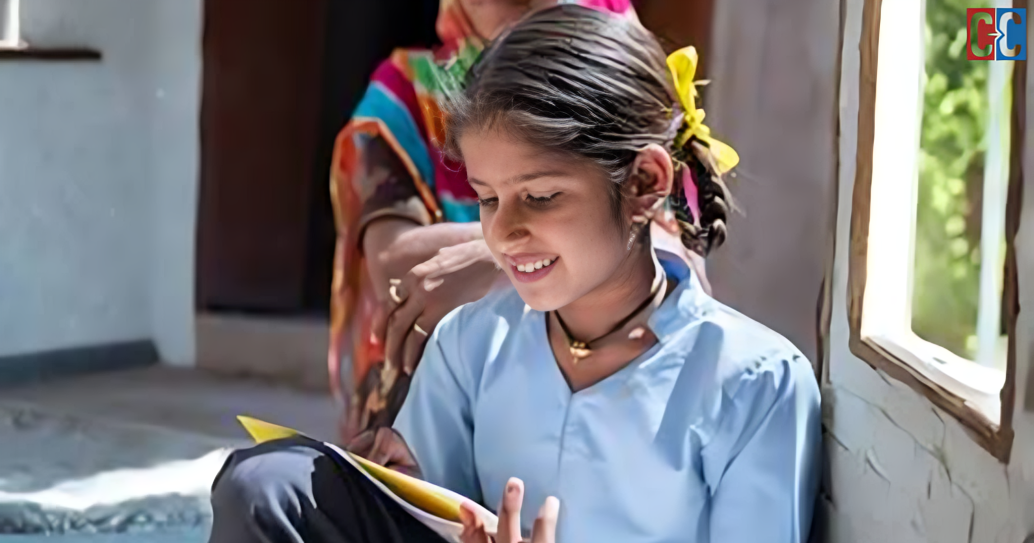
The programme rests on three key pillars. First, it will strengthen foundational learning. This includes better teaching methods and structured assessments to improve literacy and numeracy. Second, it will expand science and commerce streams. This step aims to align education with job market demands. Third, it will introduce a digital Career Guidance Portal. This platform will offer personalised counselling and aptitude assessments to students.
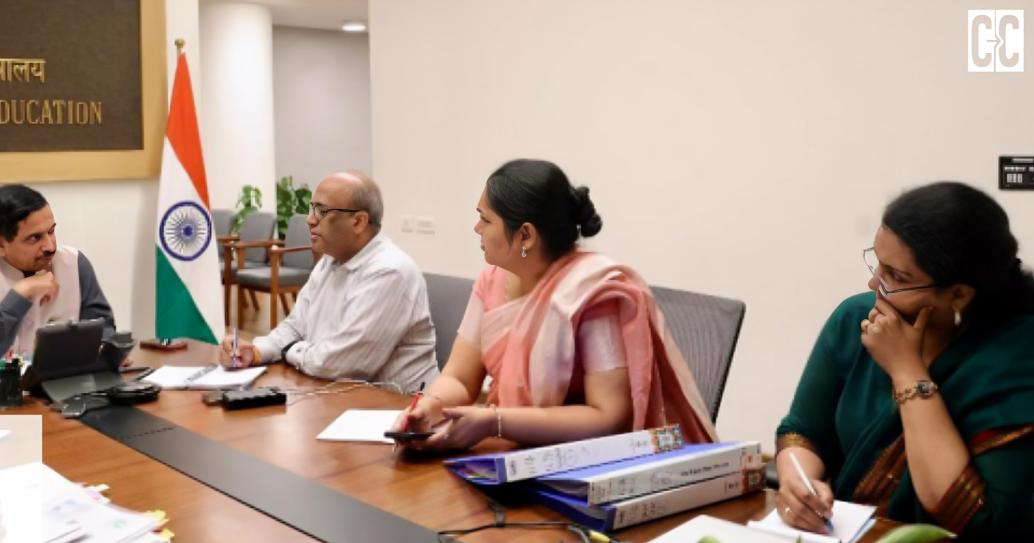
Education Minister Harjot Singh Bains said the earlier phase already delivered results. He emphasised that every child deserves access to international-level opportunities. He added that the new phase will scale these reforms further.

Global Recognition and National Ranking
Punjab’s education model has gained national recognition in recent years. The state ranked first in the PARAKH Rashtriya Sarvekshan 2024 survey. This survey evaluates classroom learning outcomes across India.
Officials argue that this ranking reflects structural reforms in teaching, governance, and infrastructure. These changes have impacted nearly 20,000 government schools.
The World Bank’s involvement signals international validation. The institution has supported education reforms globally. In previous assessments, World Bank experts described large-scale education reforms in Punjab-like regions as among the most rapid transformations seen in the sector.
Technology and Career Readiness at the Core
Technology will play a central role in Sikhya Kranti 2.0. Schools will use digital tools to track student performance and learning outcomes. The plan also includes improved access to labs, digital infrastructure, and vocational training.
The Career Guidance Portal is a key innovation. It will help students understand career paths early. It will also provide data-driven recommendations based on aptitude and interests.
Officials say this shift addresses a long-standing gap. Many students complete schooling without clear career direction. The new system aims to bridge that gap and improve employability.
Challenges Remain in the System
Despite progress, structural challenges continue to affect Punjab’s education sector. A recent audit highlighted serious gaps in planning, staffing, and retention.
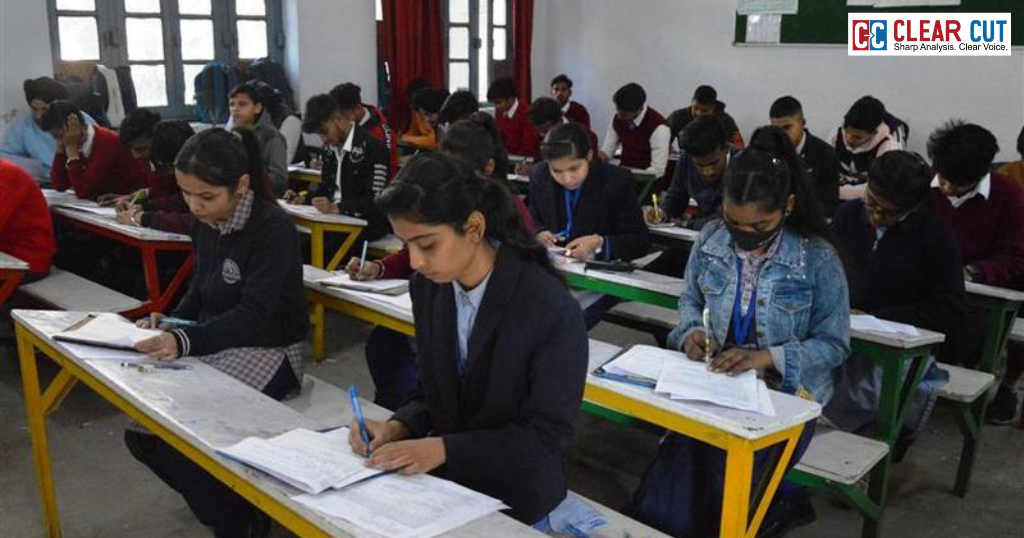
The audit found that many schools lacked proper development plans. Teacher shortages remain a major concern. Some categories reported vacancies as high as 60 percent. Student retention at higher secondary levels has also declined sharply.
These findings underline the importance of sustained reform. Experts believe that investment alone will not be enough. Effective implementation and monitoring will be critical.
A Long-Term Bet on Human Capital
Punjab’s latest education push reflects a broader policy shift. Governments are increasingly viewing education as a driver of economic growth. By focusing on skills, outcomes, and career readiness, the state aims to build long-term human capital.
Chief Minister Mann said the reform is a “next leap forward” in ensuring quality education for every child.
The coming years will test whether this large-scale investment can deliver lasting impact. If successful, Punjab’s model could become a template for education reform across India.
Clear Cut Education Desk
New Delhi, UPDATED: March 19, 2026 01:00 IST
Written By: Ayushman Meena