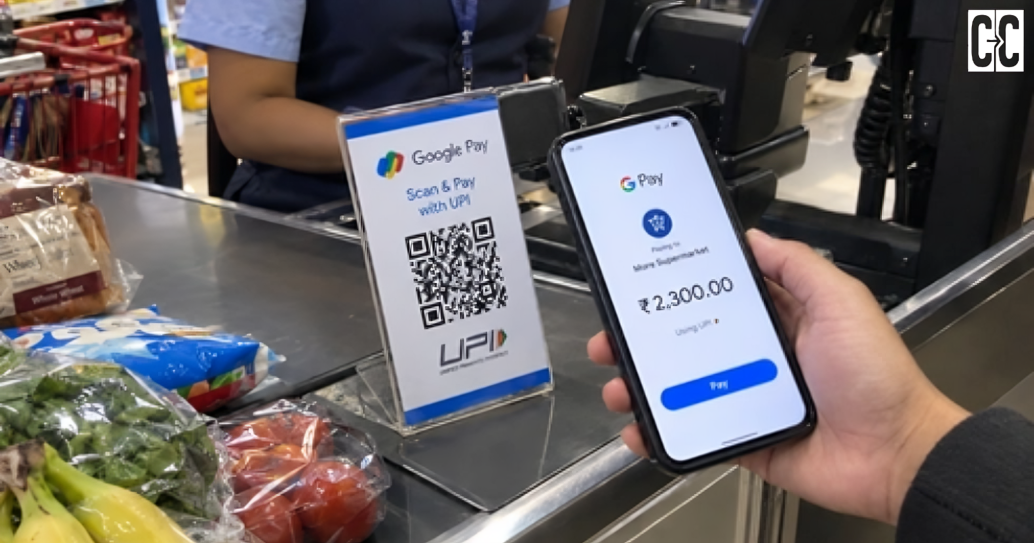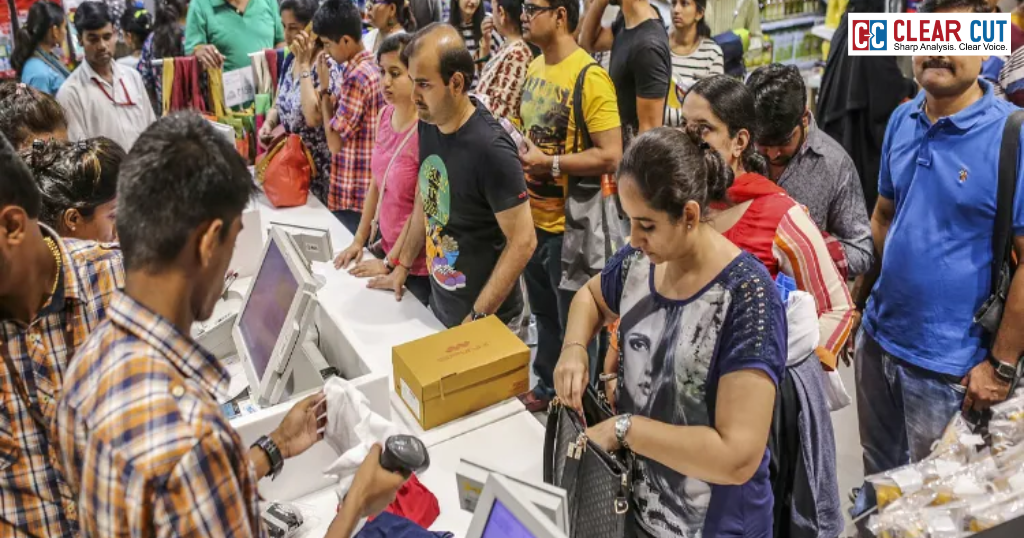
India has emerged as the world’s second-largest consumer market, driven by rising incomes, a young population, and strong spending demand. In 2025 alone, 30 global brands entered India, highlighting its position as a key global growth destination.
India has crossed a threshold that few predicted this soon. Increased purchasing power and the rise of premium Indian consumers has placed India as the second-largest consumer market in the world, with consumer spending predicted to rise to USD 4.3 trillion by 2030, nearly doubling from 2024’s figure.
That number has sent a clear signal to boardrooms worldwide. In 2025, thirty international brands entered India across fashion, beauty, food and beverage, and lifestyle. This is the highest single-year influx ever recorded. According to analysts at Cushman and Wakefield, the number of foreign brands entering India rose from about 12 annually before the pandemic to 14 in 2023, and approximately 27 in 2024. The 2025 count of 30 marks a new peak and a clear directional bet by global companies on where growth lives next.
Baker McKenzie’s Head of India Practice, Mini Menon vandePol, put it plainly: “Strategic investments and policy reforms are positioning India as a leading economy and hub for innovation and business expansion.”

The Demographic Engine Behind the Numbers
India’s consumer story is not just about size. It is about timing. India’s median age of 28 years, significantly lower than China and the US, along with a growing working-age population and improved women’s labour force participation, positions it as a major global consumption driver.
McKinsey’s Q4 2025 Asia-Pacific consumer sentiment survey found that India stood apart from every other major economy. Indian consumers are closing 2025 with strong spending intent across both essentials and discretionary categories, a sharp contrast to the caution prevailing in much of the world. Younger consumers in particular are leading this charge. Gen Z and millennials are driving demand in technology, leisure, and personal care.
Bain and Company’s April 2025 report profiling 30 top consumer product multinationals with Indian operations found the returns were not just strong. They were exceptional. For some leading MNCs, India affiliates deliver a total shareholder return of between two and six times that of their global parents.
Ravi Swarup, Head of Bain’s Consumer Products practice in India, issued a direct warning to companies still on the sidelines. “MNCs that have not entered the market must act now or risk missing out on a vital growth engine and long-term strategic advantage,” he said.
The Brand Parade of 2025
The year’s brand arrivals read like a global retail directory. In fashion, Shein made its most talked-about comeback. The fast-fashion giant, previously banned in 2020 amid data security and geopolitical tensions, relaunched on February 1, 2025, through a licensing partnership with Reliance Retail. The app crossed 2 million downloads within six months and now lists over 20,000 live options, with all data stored locally.
H&M Group doubled down by launching COS, its premium fashion label, in New Delhi. Inditex brought in Bershka, the Zara parent’s youth-focused brand, with a flagship store in Mumbai. British retailer NEXT entered Pune. Italian brands Lotto, OVS, and Camicissima Milano all opened their first Indian doors.
Mark Barraclough, COO of Karen Millen, captured the wider sentiment: India offers a strong opportunity for the brand to establish a physical presence and explore a dynamic new market.
Beauty Becomes a Battleground
If there was one category that defined 2025’s brand wave, it was beauty. Global names lined up to enter a sector that Euromonitor International pegged at USD 12.1 billion and growing at one of the fastest rates globally.
Fenty Beauty’s India debut on August 7, 2025 was the year’s most anticipated launch. The brand rolled out through Sephora and Tira across more than 50 stores in 16 cities, with several products selling out within days. Guillaume Motte, Global President and CEO of Sephora, set the tone ahead of the launch: “Fenty Beauty’s presence in India will spark a new era of beauty exploration, expanding inclusivity and ensuring consumers can celebrate their unique beauty with high-performance, accessible products.”
Armani Beauty opened a flagship in Mumbai. Chanel launched its fragrance and beauty portfolio in Nykaa. La Roche-Posay entered through Nykaa in November. L’Oréal went further, unveiling plans to more than double its India business, backed by expanded local manufacturing as the market takes on greater strategic weight within the group’s global portfolio.
The Estée Lauder Companies also signalled a long-term commitment by partnering with Startup India to nurture local beauty innovation and entrepreneurship.
Food, Footwear, and the Full Lifestyle Stack
The wave was not limited to apparel and beauty. Papa John’s returned to India in October 2025 with its first outlet in Bengaluru. The US-based pizza chain has taken a more affordable approach, with pizzas starting as low as Rs 149, and a 650-store target for its re-entry.
Foot Locker launched its omnichannel presence through Metro Brands for stores and Nykaa Fashion for digital, targeting India’s fast-growing sneakerhead community. Italian sportswear brand Lotto entered through a partnership with Virat Kohli-backed Agilitas Sports. Lotto marked its first official foray into the Indian market with a target of touching Rs 1,000 crore in revenue over the next five years.
Naveen Malpani, Partner and Consumer Industry Leader at Grant Thornton Bharat, pointed to the structural pull behind these arrivals: “India offers immense consumer potential with a burgeoning middle class and a preference for global brands.” Satish Meena, Analyst at Datum Intelligence, added a generational lens: “Gen Z consumers are driving the shift, exploring new brands and swiftly moving away from traditional choices.”
Why India and Why Now
The conditions that make India compelling in 2025 are not accidental. The shift from unbranded to branded products and unorganized to organized retail is expected to unlock significant new value across the market. Digital commerce has expanded reach beyond metros. E-commerce platforms like Nykaa, Myntra, Tata Cliq, and AJIO now serve as launchpads for global brands without requiring expensive physical rollouts from day one.
India’s appeal is further enhanced by favourable consumer-sentiment metrics. The Current Situation Index stood at 96.5 in July 2025, while the Future Expectations Index reached 124.7, both comfortably above pre-pandemic levels.
The global competition for growth has narrowed its focus. Mature markets in the US and Europe face stagnation. India, with 1.4 billion people, a median age of 28, and consumer spending on track to hit USD 4.3 trillion by 2030, is no longer a promising market. It is the market.
Clear Cut Research Desk
New Delhi, UPDATED: March 24, 2026 05:00 IST
Written By: Ayushman Meena