

India’s National Youth Policy 2026 shifts focus from welfare to workforce empowerment, emphasizing skilling, employment, and youth-led development. With MY Bharat as its digital backbone, the policy aims to turn India’s demographic dividend into economic growth.
India is getting serious about its biggest asset. The government has proposed the National Youth Policy 2026, a comprehensive overhaul of how the country engages, equips, and deploys its young population. Union Minister of Youth Affairs and Sports, Dr. Mansukh Mandaviya, shared the details in a written reply in the Rajya Sabha on March 20, 2026. The announcement signals a clear shift from broad policy intent to structured, measurable outcomes.
Why This Policy Matters Right Now
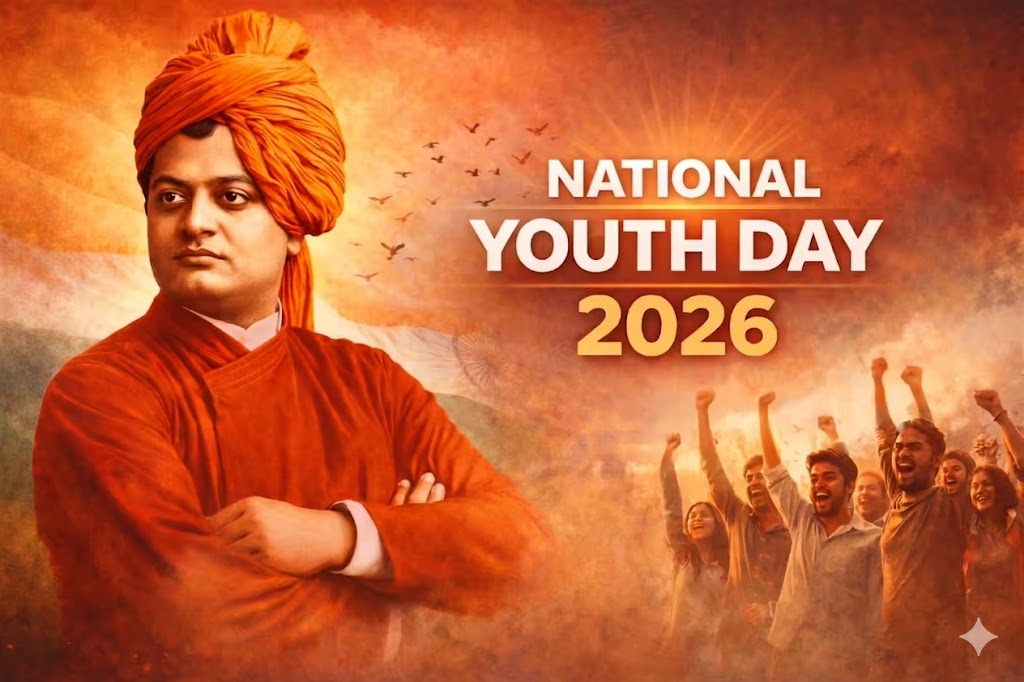
India is sitting on one of the largest youth populations in the world. More than 600 million Indians are between the ages of 18 and 35, with 65% of the total population under the age of 35. This demographic dividend is expected to last until at least 2055 and is projected to peak around 2041. That window will not stay open forever. The question is whether the country can convert raw demographic numbers into productive, skilled, and civically engaged citizens before that window begins to close. The National Youth Policy 2026 is the government’s answer to that question.
At the same time, the challenge is real. According to World Bank data compiled from ILO estimates, youth unemployment in India stood at 16.03% in 2024.
A policy that simply celebrates the demographic dividend without addressing employability misses the point entirely. The 2026 framework appears aware of this gap.
Six Pillars, One Direction
The new policy moves beyond the broader, aspirational tone of the National Youth Policy 2014. It identifies six core focus areas: Youth Leadership and Volunteerism, Education, Skilling and Employment Readiness, Entrepreneurship and Innovation, Health and Well-being, Sports and Recreation, and Environment and Climate Action. Minister Mandaviya said the policy marks a transition towards a participatory, digitally enabled, and outcome-focused governance model, where youth are not just beneficiaries but key drivers of India’s developmental journey.
This framing is important. Previous youth policy frameworks in India treated young people largely as recipients of government schemes. The 2026 version explicitly positions them as stakeholders and co-creators of national development.
MY Bharat: The Digital Backbone
A central feature of the policy is the MY Bharat platform. It functions as a digital ecosystem for youth engagement. It enables young people to register, build profiles, and access volunteering, skilling, and leadership opportunities across multiple ministries and organizations. The platform also serves as a real-time data collection tool for policymakers. Registration numbers, activity participation, and institutional partnerships are all tracked to strengthen evidence-based planning.
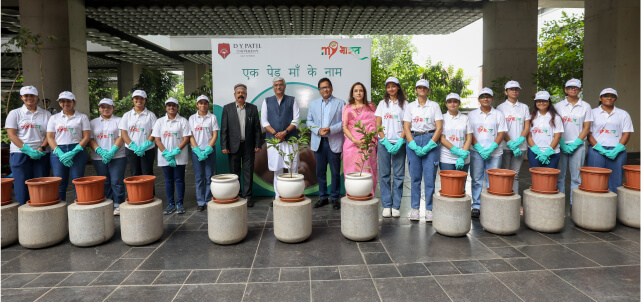
Addressing the inaugural ceremony of the Viksit Bharat Young Leaders’ Dialogue 2026, Minister Mandaviya said the dialogue encourages young leaders to contribute solutions in areas such as technology, entrepreneurship, governance, sustainability, and social development, adding that India’s demographic dividend is its greatest strength.
PM Modi and the Human Capital Push
The youth policy does not exist in isolation. It is part of a broader national conversation. Prime Minister Narendra Modi, speaking at NITI Aayog’s governing council, said India is a youthful country and a huge attraction for the world because of its workforce, adding that making youth skilled and employable is essential for building Viksit Bharat.The NITI Aayog approach paper also noted that nearly half of India’s population is below 25 and accounts for nearly 20% of the world’s total young population.
According to World Bank and NITI Aayog projections, strategic investment in education, healthcare, skilling, and employment could unlock a one trillion dollar boost to India’s GDP by 2030. That figure underlines exactly what is at stake.
Monitoring, Inclusion, and Real Accountability
The policy formulation process has been deliberately consultative. Inputs were gathered through the MY Gov platform, MY Bharat, and inter-ministerial and state-level consultations. This ensures that the policy is not drafted in isolation in New Delhi but reflects diverse regional realities. Monitoring mechanisms have also been upgraded. Real-time dashboards linked to MY Bharat and the Output-Outcome Monitoring Framework of NITI Aayog will track youth engagement and programme effectiveness continuously.
The Viksit Bharat Young Leaders’ Dialogue has already demonstrated what structured youth engagement can look like at scale. Minister Mandaviya called VBYLD a true example of youth-led democracy, turning vision into voice and voice into impact, highlighting that it is the only platform where young Indians can share ideas and directly present them to the Prime Minister.
The Road Ahead
India stands at the threshold of a defining decade, one that will shape the trajectory of its journey toward 2047. Speaking while conferring the National Youth Awards, Mansukh Mandaviya expressed confidence that today’s youth will not only inherit the nation’s future but actively lead it, transforming participation into leadership.
This vision goes beyond rhetoric. It reflects a deeper governance commitment, anchored in a robust policy framework, strengthened by digital infrastructure, and guided by measurable outcomes. The National Youth Policy 2026 lays the foundation for this transformation. What lies ahead is the moment of truth, where effective implementation will determine whether this vision translates into lasting impact and empowers a generation to truly drive India forward.
Clear Cut Research Livelihood Desk
New Delhi, UPDATED: March 30, 2026 05:00 IST
Written By: Ayushman Meena