- The 2026 FIFA World Cup will be the biggest tournament ever, hosted across the US, Canada, and Mexico.
- Alongside the excitement, concerns are growing over rising rents, housing displacement, and pressure on local communities near stadiums.
- The article also highlights labor rights issues and questions whether FIFA’s social responsibility promises will truly benefit affected workers and residents.
The Tournament and Everything Around It
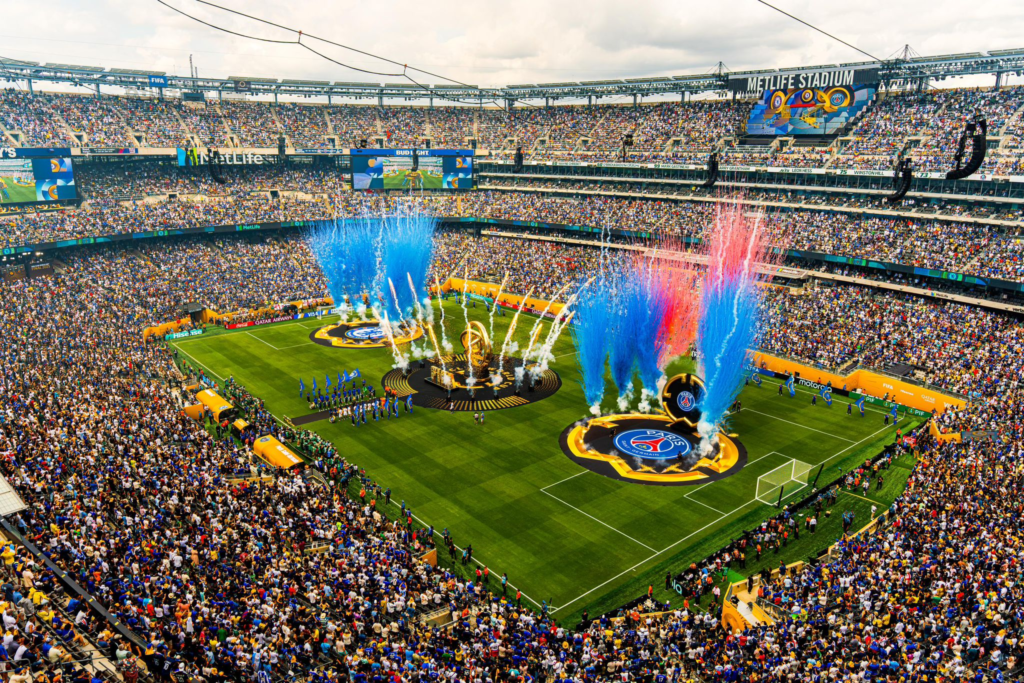
The 2026 FIFA World Cup is set to launch in June, and honestly, this thing is massive. Sixteen cities across the US, Canada, and Mexico will host matches, making it the biggest World Cup ever not just in countries involved, but also in total teams and games. Forty-eight nations competed in 104 matches. The final’s happening at MetLife Stadium in New Jersey. Since FIFA handed over hosting rights in 2018, the gears have been turning. Eight years of stadium upgrades, new transit lines, planning fan zones, and building security systems all spread across three countries and sixteen cities. It’s a logistical feat that’s hard to wrap your head around.
But if you look at mainstream coverage, almost everything you see is about the teams, tickets, TV deals, and venue specs. What’s missing? Stories about the neighborhoods next to stadiums, the laborers who built those shiny new venues, the struggles faced by low-income residents pushed out by rising rents, or the public health prep for an expected five million visitors. This isn’t just an oversight; it’s how sports media works. They focus on the spectacle, not on what’s happening beneath it. That social context just doesn’t sell as well.
Displacement: What Happens to Host City Residents
Big sporting events almost always mess with housing. During a World Cup, short-term rentals skyrocket, so regular folks especially those living near the stadiums end up paying more or even losing their homes. Properties get converted to accommodate guests, and low-income communities are usually the first to take the hit, even though most of the cash goes to tourism, hospitality, and construction.
Mexico City’s gearing up for matches at Estadio Azteca, the oldest World Cup venue still used and neighborhoods like Iztapalapa are already seeing rent hikes, civil society groups say. It’s an old story: Back in Brazil during the 2014 World Cup, forced evictions pushed out around 170,000 people, mostly from favelas near construction zones, according to the Housing and Land Rights Network.
Sure, North American cities have stronger housing protections than Brazil did, so the displacement won’t be as severe. But the pressure’s still there. Take Los Angeles, home to one of the worst housing crises in America, with about 75,000 people unhoused. Nobody’s really looked at how World Cup prep, booming short-term rentals, and housing for low-income folks all intersect. It’s just not showing up in public documents.
Labor Rights: The Hidden Cost of Building World Cup Dreams
Qatar’s 2022 World Cup brought more attention than ever before to migrant worker conditions. The Guardian and others reported thousands of deaths among those building stadiums, human rights groups even called it forced labor. FIFA responded by creating a Workers’ Welfare Standard, setting up labor monitors, and launching a legacy fund. But the standard didn’t help workers who’d already died, and many say the fund is nowhere near enough.
Things look a bit different for 2026, but unsafe working conditions haven’t disappeared. In the US, a ton of stadium upgrades and related projects need construction workers including a big undocumented workforce, about one million according to Pew. These folks don’t have reliable protections, even if they’re supposed to by law. In Mexico, workers fixing up Estadio Azteca face wage theft, sketchy subcontractors, and weak safety enforcement are all common problems. FIFA’s standards developed for Qatar haven’t been applied to North America with the same seriousness.
What FIFA Claims About Its Social Responsibility
FIFA rolled out its Human Rights Policy in 2017. There’s the Football for the Goals project, too, aligning the tournament with the UN Sustainable Development Goals. For 2026, they’re promising carbon neutrality, getting fans involved in social issues, and leaving legacy programs in host cities. These are actual commitments, documented and public.
But let’s be real the gap between what FIFA says and what gets done is wide. Their human rights checks mostly rely on their own reports, not outside experts. Groups working on housing, workers’ rights, and public health aren’t part of FIFA’s official accountability process. Mostly, their findings show up in news stories or advocacy reports, not anything FIFA is forced to address. And, just for extra drama, Donald Trump made headlines this week by backing Iran’s inclusion in the tournament, which throws geopolitics into the mix, an already complicated dance across three separate host nations with very different politics.
Conclusion
This World Cup is the largest event ever. It’s landing in cities with known housing problems, labor markets full of informal and undocumented workers, and communities who live close to the action but won’t see much benefit. Don’t expect sports media to cover this story between now and the final. It’s not the attention-grabber, but it’s real, the story playing out in neighborhoods next to Estadio Azteca, around MetLife Stadium, and wherever construction workers toiled. Whether anyone’s watching or not, those people are living it.
Clear Cut Research, Review Desk
New Delhi, UPDATED: May 15, 2026 03:00 IST
Written By: Janmojaya Barik