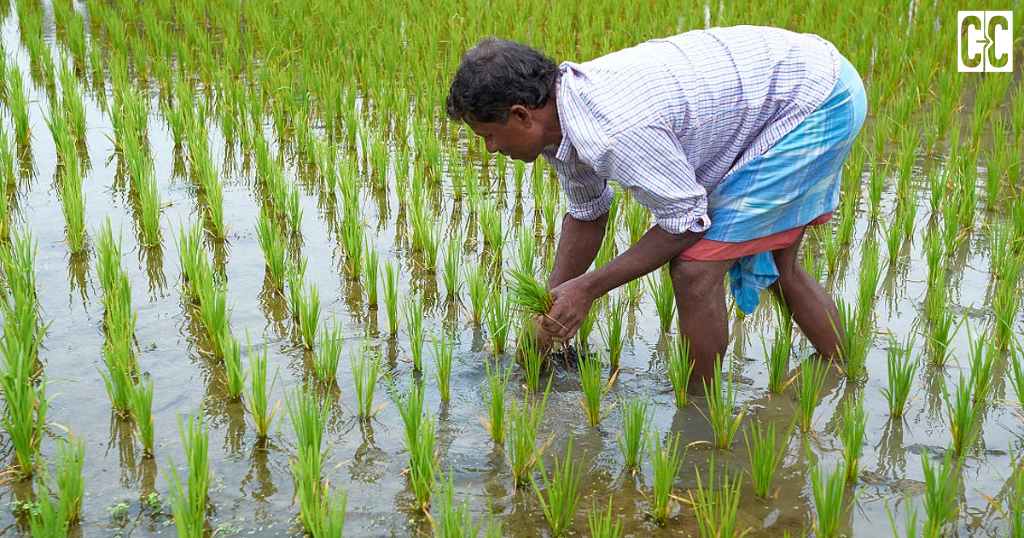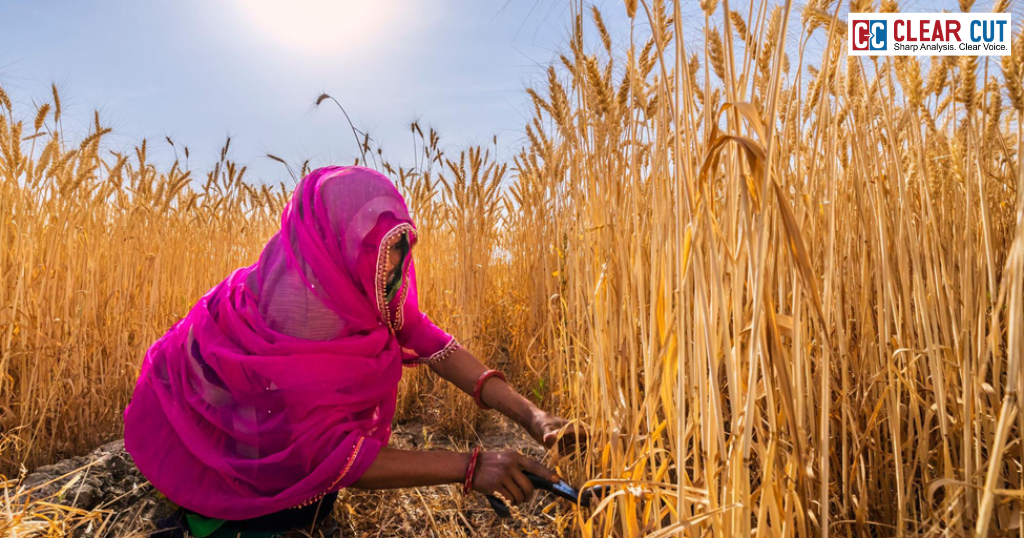
India’s rising heatwaves are severely impacting informal women workers, who lack legal protection, financial security, and safe working conditions. Despite this, CSR efforts remain focused on environmental goals while largely ignoring worker heat stress and supply chain risks.
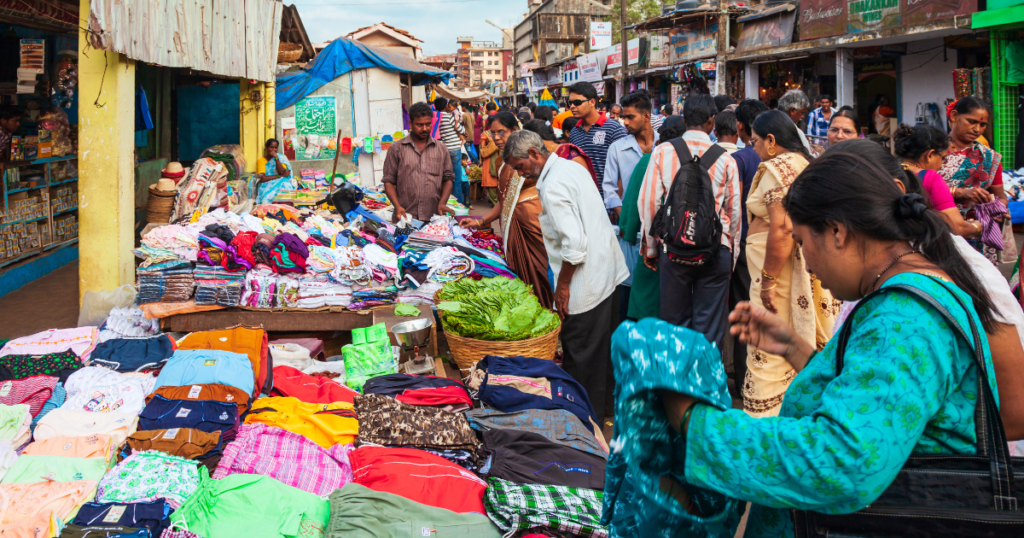
Sangeeta Sonawane starts her day at ten, setting up shop right by the busy railway station in Borivali, Mumbai. She spends twelve hours selling vegetables, working through the heat. By midday, she shields herself from the sun with a dupatta over her head or just a scrap of thermocol. Mumbai hit heatwave conditions as early as March this year, and it hasn’t let up. The India Meteorological Department keeps sending out warnings. Newslaundry shared Sangeeta’s story just three days back, on April 13. Her story—really just a single line in a much bigger issue.
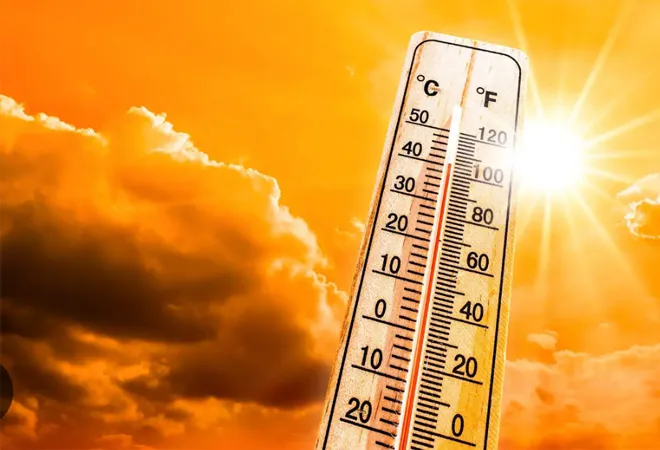
April rolls around and in many parts of India, the temperature shoots above 40 degrees. This year, the heatwaves lasted close to 20 days, starting earlier and stretching longer than anyone’s used to. There’s hardly any time for bodies to bounce back between bouts. The Lancet’s 2024 climate and health report says India lost 247 billion labor hours to heat this year—about $194 billion in economic terms, most of it hitting agriculture and construction. Over the last twenty years, the loss adds up to 259 billion hours and Rs 46 lakh crore. Honestly, those figures sound so huge they lose meaning. But Sangeeta with her dupatta, she’s real, not a statistic.
Who Pays the Price
Look at Indian women in paid work—92 percent make their income in the informal sector. That one stat explains the whole gender angle when it comes to heat. Informal workers don’t get paid sick leave. They work out in the open. No cool break rooms, no mandates for shade or rest, no real safety net if they can’t work because the heat’s just too much. When the temperature gets dangerous, a formal sector worker can head inside. For women like Sangeeta, they have to ask themselves: Can I afford to stay home today?
A survey by the MS Swaminathan Research Foundation spoke to over 3,300 women across 15 districts. Ninety-seven percent said their work and wages suffered because of heat. Another study—this one from February 2026—looked at 115 garment workers in Tamil Nadu and Delhi. Eighty-seven percent had headaches, dizziness, weakness, or muscle cramps from the heat last year. Eleven out of fifteen factories had metal or asbestos roofs trapping the heat inside. And that’s in the formal sector, inside a building. Imagine what it’s like for the women outside.
The FAO’s Unjust Climate report shows female-headed rural households in low- and middle-income countries lose more income as it gets hotter. It’s straightforward: women in these homes spend more time doing heat-exposed work, plus all the unpaid chores and caregiving. When they can’t work because of the heat, they’ve got less in the way of savings, credit, or steady wages to fall back on.
Law Isn’t Keeping Up
Here’s where things go from bad to aggravating. The Factories Act of 1948 says employers must provide ventilation and protection from extreme temperatures. Sounds great. Except it only applies to indoor work. It leaves out street vendors, farm workers, construction laborers, and home-based piece-rate workers. Basically, it misses 92 percent of women working for pay—anyone outside the walls the Act was written for.
Plus, heatwaves aren’t even classified as a national disaster under the Disaster Management Act. Ten states—like Telangana, Tamil Nadu, Odisha, Rajasthan—have their own rules so they can unlock state disaster funds. The rest don’t. And national disaster status? That would release Rs 1.2 lakh crore in disaster relief, money workers need. Right now, heatwave victims don’t get access to those funds.
Just yesterday in April 15th The Hindu reported that more than half of India’s districts are now heat-prone. Somewhere between 400 and 490 million informal workers face the heat directly, with no legal shield. The Factories Act hasn’t changed to keep up with an economy where half a billion people work outside.
Scope for CSR
Most of what corporate India does on climate through CSR is all about the environment—solar panels, saving water, tree planting. These matter, sure. But heat stress in supply chains? Almost nobody’s paying attention.
Take the garment sector: a company buys from Tamil Nadu, and 87 percent of workers in those factories have reported heat-related sickness. That’s a risk the company knows about, but its CSR programs aren’t tackling it. The BRSR framework asks for safety numbers for permanent employees. It doesn’t demand data on heat illnesses in supplier factories or among contract workers. So heat stress in the supply chain stays buried—nobody’s required to shine a light on it.
SEWA’s 2024 parametric insurance pilot helped 50,000 women, giving out Rs 2.92 crore for lost income when heat spiked. The idea’s simple: when the temperature passes a certain point, workers automatically get paid. No paperwork, no proof of loss. It works. With the money and reach that corporate CSR brings, this model could really scale. But so far, it hasn’t made the shortlist.
How We Move Forward
Summers are arriving sooner, sticking around longer, getting even hotter. The women handling the worst of it? They’re the ones with the least legal protection, the smallest financial cushion, and the lowest profile in national policy debates. Recognizing heatwaves as a disaster would help. Expanding the Factories Act to include outdoor workers would help. Forcing disclosure of heat-related worker health in BRSR filings would help. None of this is complicated. It’s just not happening yet. So Sangeeta Sonawane keeps showing up, with just a dupatta and a piece of thermocol between her and the baking sky.
Clear Cut Climate Desk
New Delhi, UPDATED: April 16, 2026 01:00 IST
Written By: Jay