

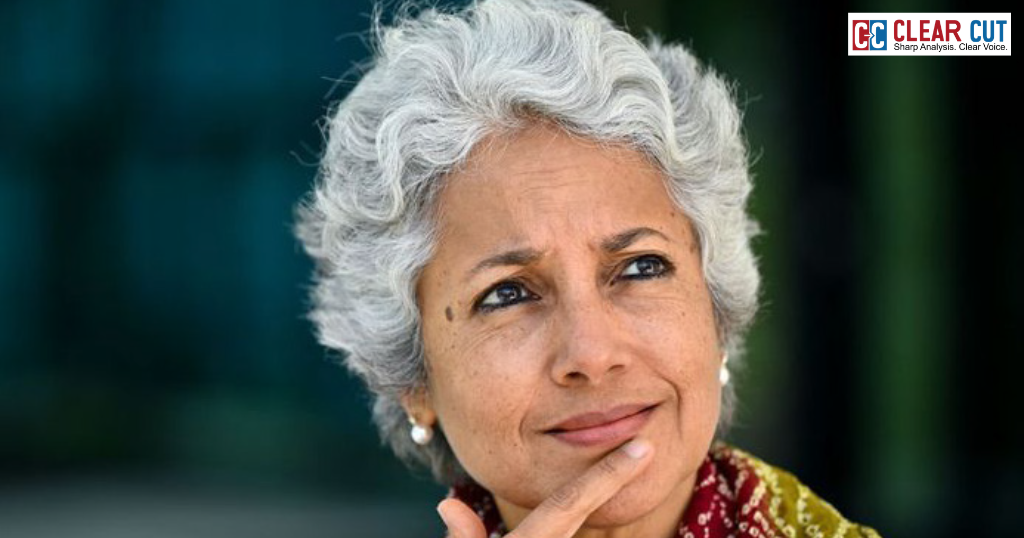
Dr. Soumya Swaminathan is a global health leader who has strengthened public health systems by linking scientific research with evidence-based policy. Her work in infectious diseases and global initiatives like COVID-19 response highlights her commitment to health equity.
Policies in the field of public health are extremely important in enhancing the health of the population and in empowering health services. The key players in the process of formulating good health policies are policy champions, who are the ones who promote evidence-based decision-making and equitable access to health. Dr. Swaminathan is one such policy leader who is an internationally acclaimed paediatrician, clinical scientist, and global health leader. Her contributions in the work on research, governmental governance of health, and global organizations have done much to empower the health systems and facilitate evidence-based policy across the world.
Soumya Swaminathan was born on 2 May 1959 in Chennai, India in a family that is strongly devoted to science and social development. She is the daughter of an agricultural scientist of great reputation, M. S. Swaminathan who was the Father of Green Revolution in India. She studied medicine in the Armed Forces Medical College, Pune and got an MD in Paediatrics at the All-India Institute of Medical Sciences (AIIMS), New Delhi. She underwent specialized training in pediatric pulmonology and neonatology training in the United States. Her initial education in academic fields provided the basis in her future contributions to the field of medicine and overall health in the future.
The work of Dr. Swaminathan has been largely on research work on tuberculosis (TB), HIV and infectious diseases especially in vulnerable groups. She served as the director of multidisciplinary research teams at the National Institute for Research in Tuberculosis (NIRT) in Chennai, which examined the epidemiology of TB as well as the treatment of TB and the HIV-associated tuberculosis. Her efforts had a significant contribution in advancing diagnostic techniques, treatment and community-based interventions on TB. Such contributions have played an important role in providing the world with knowledge about infectious diseases and enhance the health intervention of people in the low- and middle-income states.
One unique difference in the career of Dr. Swaminathan is the focus she has on translating scientific evidence into the public health policy. She was made the Director General of the Indian Council of Medical Research (ICMR) and Secretary to the Government of India in the Health Research in 2015. In this time, she was trying to build up the health research base of India and to enhance evidence-based policy development in the health sector. Her leadership focused on the incorporation of research results into the national health programs and institutional cooperation between government, academic organizations,
and international bodies.
Promoting ethical research practices and evidence-based treatment practices was one of her greatest contributions to her tenure at ICMR. She was instrumental in the development of national biomedical research principles on the use of children as well as in the advocacy of rational use of antimicrobials to address antimicrobial resistance. Through her efforts to match the scientific research to the health policy implementation, she helped make sure that the public health programs were informed by valid scientific evidence.
The impact of Dr. Swaminathan was not limited to India as in 2017, she became a member of the World Health Organization (WHO) as the Deputy Director-General Programmes. In this role, she was involved with reinforcing health programs all over the world and enhancing cooperation between international partners. She was subsequently made two years later the first Chief Scientist of WHO, a position that was established to make sure that the policies and recommendations of the organization were supported through sound scientific evidence. Dr. Swaminathan as the Chief Scientist of WHO spearheaded the formation of the Science Division of the organization with its aims on research coordination, scientific standards, and innovation in global health. Her contribution was on the significance of evidence-based policymaking and use of scientific data to inform health interventions and policy decisions across the world.
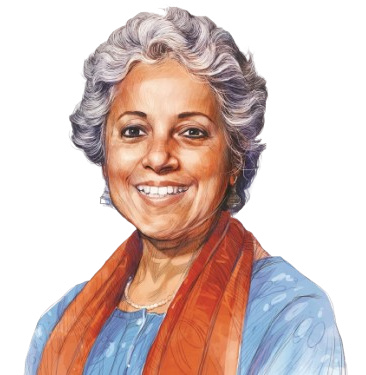
The most notable manifestation of her leadership was when she became instrumental in organizing the worldwide scientific response to the COVID-19 pandemic. She was actively involved in briefings at the international level, sharing new scientific findings, and recommending governments on how to respond to pandemics. Among her major initiatives was the COVAX plant, which targeted to provide equal access to COVID-19 vaccines to the whole world, especially the low- and middle-income nations. This program emphasized her concern about health equity and solidarity in the world.
The other contribution of Dr. Swaminathan in her work is also seen in terms of the greater vision of empowering the health systems by innovation, research and teamwork. She has also been a persistent supporter of investment in health research, digital health, and science capacity, particularly in developing nations. Her leadership highlights that scientific innovation should be put to practical health policies and accessible healthcare services.
Clear Cut Health Desk
New Delhi, UPDATED: April 15, 2026 04:00 IST
Written By: Ruchira Das