
The UN’s 2026 report highlights a growing $4 trillion financing gap threatening Sustainable Development Goals, with declining aid and rising pressures disproportionately impacting developing countries, especially women and girls.
The Report Nobody Wanted to Write
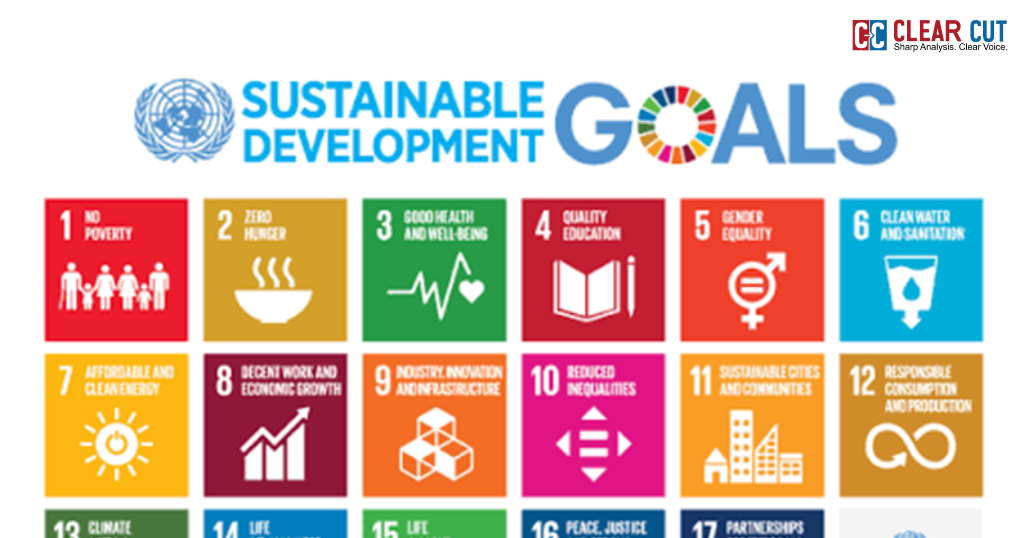
On April 9, the UN released its 2026 Financing for Sustainable Development Report, which was the first comprehensive assessment of global development finance since the FFD4 conference held last year in Sevilla. The Sevilla Commitment resulted in countries, on paper at least, making an agreement to make up a $4 trillion annual shortfall required to achieve the Sustainable Development Goals by 2030.
However, the report makes no compromises. According to UN Under-Secretary-General Li Junhua, “Regrettably, the financing gap is widening.”
It is not being narrowed, nor even kept constant. It is increasing. Four years before the SDG deadline, the situation in the world has only worsened. Official Development Assistance is declining sharply. While, at the same time, developing countries find themselves squeezed between escalating expenses related to climate change, soaring debt service, and stretched government budgets to the breaking point. In other words, the countries where there is a desperate need for investments, but they are not coming, investors are concerned because of the very instability caused by underinvestment.

What Widening Means in Practice
Indeed, the figure of $4 trillion seems rather vague, but once broken down, it shows how many resources are required to achieve the SDGs in the world’s least developed countries. This goal remains unchanged over the last few years; however, its urgency is increasing due to the widening gap caused by under-investment.
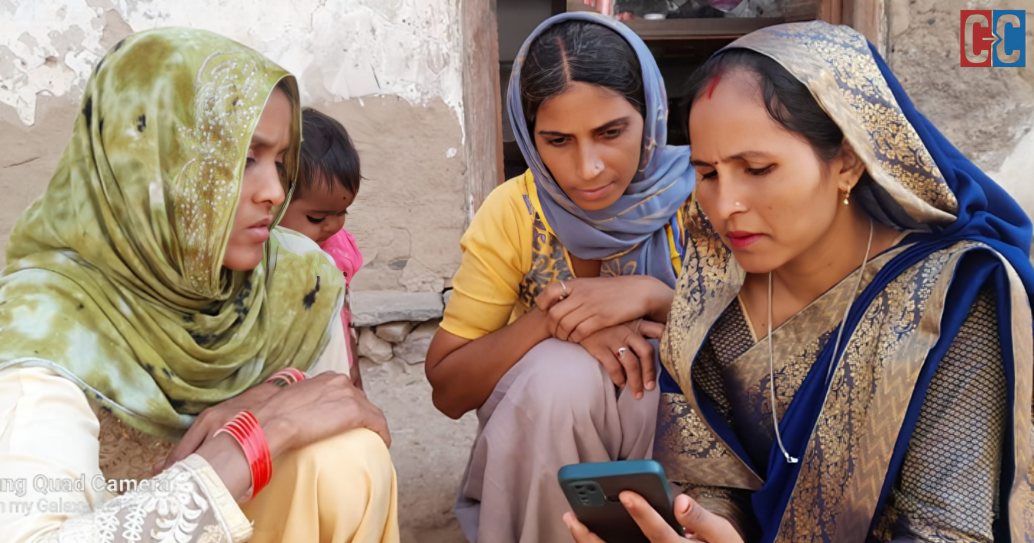
As for the population groups who will be most affected by the lack of investment in SDG implementation, they include women and girls. According to UN Women, the financial gap for achieving gender equality in developing countries amounts to $420 billion annually. The figures presented in the Gender Snapshot 2025 demonstrate that while women constitute 40% of the labor market globally, only 29% of the employment growth in 2024-2026 will be observed among them. Thus, in 2023, almost two-thirds of working-aged women not participating in the labor market cited caring responsibilities as their reason, and very few countries had the necessary funding to collect such statistics.
The larger the financing gap becomes, the more negative the above data turns out to be.

The Architecture of the Problem
Sevilla Commitment was the most recent effort made by the international community to tackle this issue. In fact, there is a recognition that a lack of consensus is not uncommon among international delegations. It is at home after returning from these meetings that the ministers of finance analyze their statistics and conclude how the funds were distributed in practice.
According to United Nations Deputy Secretary-General Amina Mohammed speaking at the launch of the report, implementation of the Sevilla agreement is “the best opportunity for us to show our sustained commitment to working together.” Diplomacy aside, it is clear that this commitment is nowhere to be found. In spite of all the talk about development, development aid has been dwindling. Indeed, the USA pulled out from some of the largest development projects in which it used to participate, while Europe redirects its overseas budget into funding of domestic defense. Investors from the private sector simply do not show any interest in the areas that are the least developed.
The Week’s Timing
All of this came out in the press just one week after World Health Day, where the WHO led an awareness drive based on the slogan, “Stand with science.” In their own unique ways, both the UN report and the health day initiative are conveying the same message: the entire system of international development itself is facing immense pressures. Consider the following that is the global maternal mortality rate fell by 40 percent between 2000 and today, only because someone decided to invest in making it happen. But now, instead of progressing further, investments are flowing out of the system.
At the end of the debate, Li Junhua issued a straight challenge: “The world is now turning its gaze toward the political will of Member States. From the realm of rhetoric into concrete actions.”
This message is no different than the one we’ve been hearing at all development summits over the last three decades.
Conclusion
During this week’s meetings of the World Bank and IMF, the report will receive its due share of discussion at the tables where finance ministers gather to once again discuss the missing $4 trillion. Promises will be made. History, however, shows that most of these promises will be forgotten. This is not an aside but a critical part of the system’s dysfunctionality.
Make no mistake about it, though. The consequences for women and girls cannot be labeled simply as a “woman’s issue.” They are precisely the people who are most heavily impacted by this financial crisis since they constitute the majority of the population in those countries where this crisis is most strongly felt. They rely heavily on public services. And in times of budget constraints, they suffer the most.
Clear Cut Gender Desk
New Delhi, UPDATED: April 15, 2026 09:00 IST
Written By: Tanmay J Urs