
Britannia’s promise of 50% women on factory floors has fallen far short, with overall workforce representation at just 12.6%. The gap highlights a broader issue in India’s ESG reporting—bold targets without real accountability.
Back in 2022, Britannia Industries made a big promise: half of its factory workforce would be women by 2024. Senior leaders made a lot of noise about why this made sense. But 2024 arrived, and that 50 percent? Nowhere in sight. Britannia quietly moved the deadline to the financial year 2026-27.
Fast forward to this year. Their latest Sustainability Report shows women make up just 12.6 percent of the overall workforce and that’s up only a single percentage point from last year.
Now, let’s be fair: Britannia differentiates between “factory workforce” and the “overall workforce.” In certain plants especially in Madurai, they’re not exaggerating about women’s representation. Those local numbers are impressive. But you can’t hold up both a 50 percent national factory target and a 12.6 percent overall figure and pretend they’re telling the same story. One of those statistics is doing the heavy lifting in their PR.
Why does any of this matter outside Britannia? The company isn’t uniquely at fault. This kind of gap between ambitious ESG targets and quietly disappointing reality is all over Indian business. Britannia stands out only because their goal was remarkably specific and very public. Fifty percent, the factory floor, by a certain year. When you set a clear benchmark, you sign up for real public scrutiny.
So, is Britannia the villain here? Not really. Honestly, the progress in Madurai and Guwahati is solid, and the business rationale for women-led production lines makes sense: food manufacturing demands attention to detail, hygiene, and discipline, and the numbers say women deliver. Productivity and retention are higher. Their model isn’t the issue.
The real problem is accountability. What actually happens when a company misses a widely publicized target, one with a firm date attached? In India’s reporting culture, nine times out of ten, companies just change the deadline. They offer a new goal, paste it into their next ESG report, and move on. The regulator, SEBI, asks companies to publish gender headcounts, but doesn’t require them to explain why they missed previous targets, by how much, or what changed after missing the mark.
One more thing. Listen carefully to how company leaders justify pushing for more women in factory roles: discipline, hygiene, “suitability.” On the surface, these points are valid. But look closer. Framing women’s work this way keeps them boxed into the same old industries: garments, food processing, electronics. These are jobs known for low wages and little upward mobility. Sure, women working and earning is better than nothing. But do those factory jobs actually lead anywhere? Are these roles a springboard or a dead end? We don’t get that answer from Britannia.
And here’s a telling detail: Britannia’s aiming for just 20 percent women in managerial roles by FY2026-27. Pair that with their 50 percent factory floor target, and you see a clear pattern, plenty of women on the production line, far fewer making decisions. Whether this is by design or just inertia, it needs to be talked about.
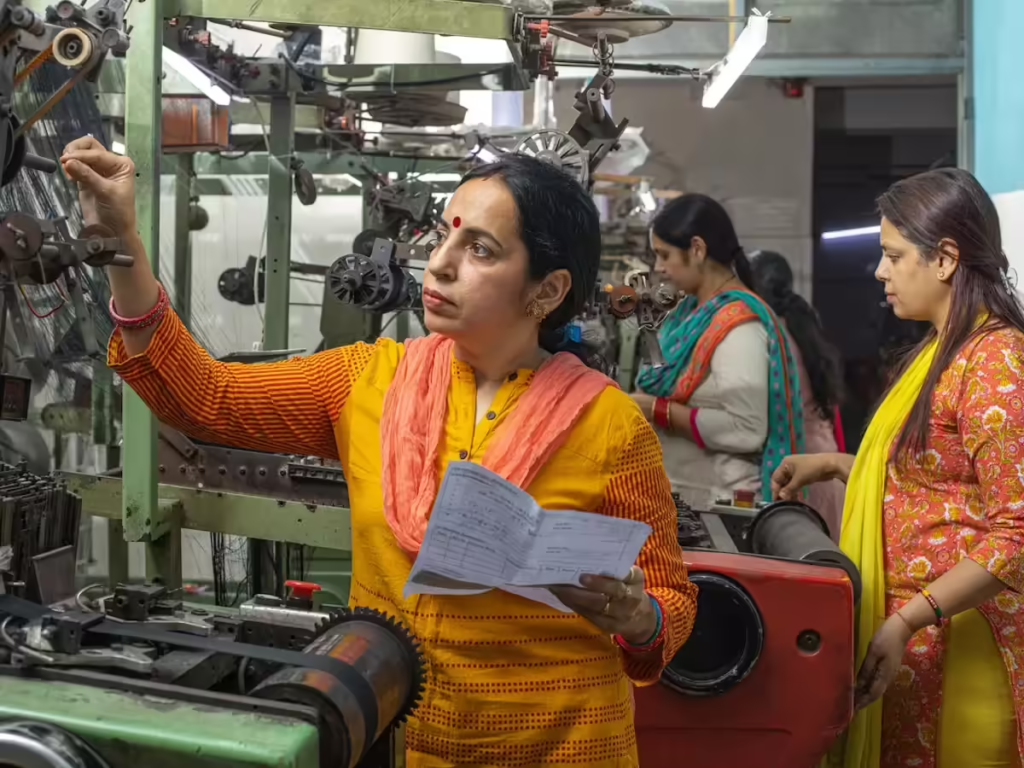
This isn’t mainly about Britannia, though. It’s about ESG reporting in India and what it sweeps under the rug. Proper reporting would force companies to show whether they hit their targets, why they missed them if they did, and publish gender breakdowns for every job level and not just the total headcount. They’d show pay equity for comparable roles, plus stats on promotions. The BRSR system covers some basics, like overall headcount and pay ratios, but stops short of exposing the gap between a bold public promise and the numbers that follow.
Credit where due: Britannia set a clear target and published its gender data. That’s more than a lot of companies can say. Now they need to take the next step which is to connect those targets to actual reporting, so missed goals can’t be hidden by simply announcing a new deadline.
Bottom line: Fifty percent women on the factory floor by 2026-27. The countdown is on. This year’s data says 12.6 percent overall. If some plants are already close to 50 percent, Britannia should publish those numbers, plant by plant, so everyone can judge progress honestly. If the numbers aren’t there, it’s time for the company to talk about what changed after 2022. Because making bold targets without accountability isn’t a real ESG strategy. It’s just clever marketing with a sustainability badge on top.
Clear Cut Gender Desk
New Delhi, UPDATED: April 23, 2026 09:00 IST
Written By: Jay