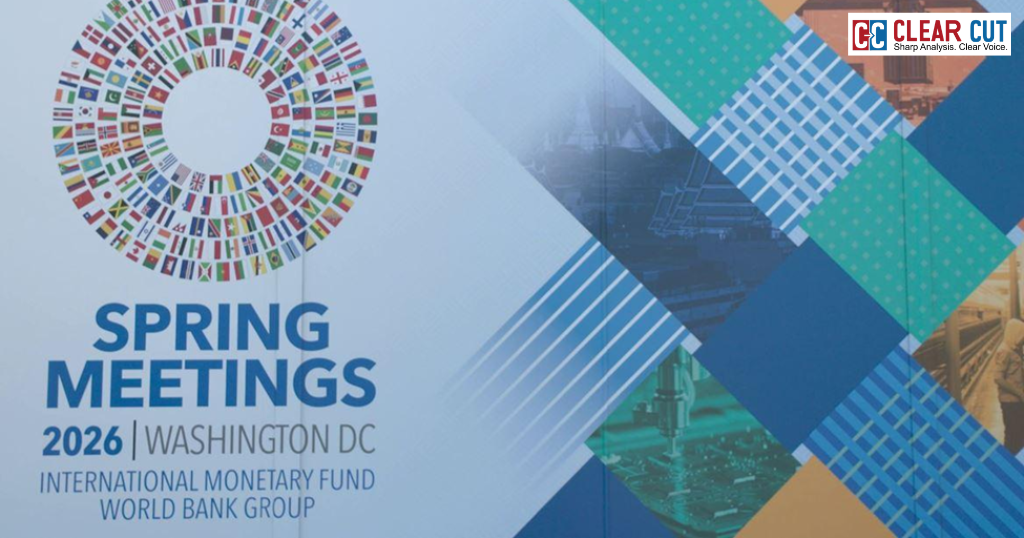
Global leaders at the World Bank Spring Meetings 2026 highlighted key systems to empower women economically, but progress remains slow and uneven. With massive funding gaps and structural barriers, turning targets into real transformation remains a distant goal.
The 2026 Spring Meetings of the World Bank Group and the IMF wrapped up today in Washington. For the past week, central bankers, finance ministers, economists, and advocates from civil society crowded into conference halls to talk about policy under the theme, “Building Prosperity Through Policy.” One of this morning’s headline sessions: “Unlocking Women’s Economic Power: From Targets to Transformation.”
That session laid out three main systems as a “ladder of opportunity” for women: social protection, digital inclusion, and access to capital. All three matter if we’re serious about women climbing out of economic precarity. The World Bank has set its 2030 targets for each one. So the session focused on how we’re doing so far, where we’re still falling short, and what it’s going to take to turn goals into actual, widespread change.
Honestly, the “ladder” metaphor holds up. But let’s not kid ourselves, it’s also an admission. In too many countries, the ladder is missing more rungs than it has.
Let’s start with social protection. Globally, just over 45 percent of women have at least one real safety net such as maternity leave, unemployment coverage, a pension, or public health services. In the world’s poorest countries, it drops off a cliff to about 20 percent. You can look at the numbers all day, but bottom line: without a financial cushion, women face risks in every economic decision that would make Wall Street investors sweat.
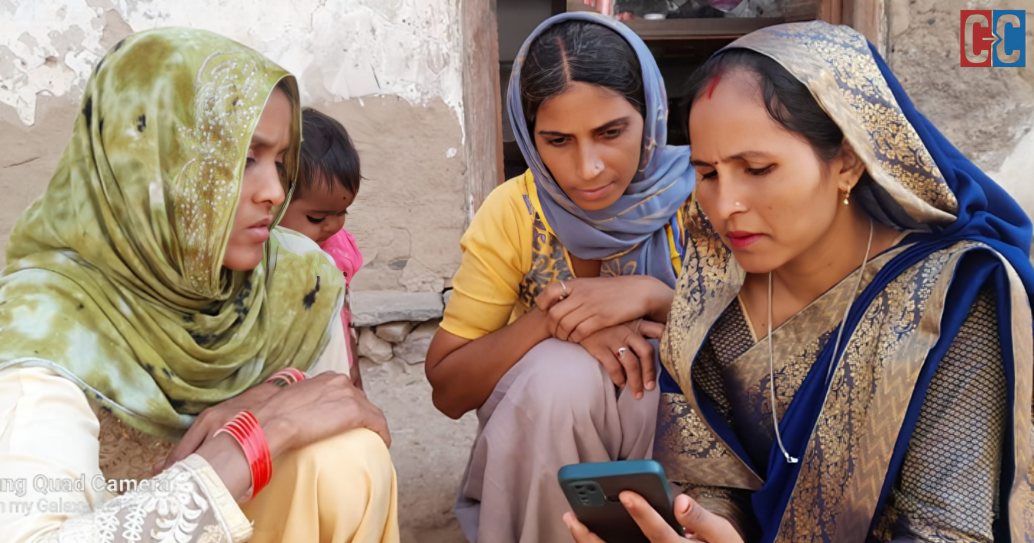
Now, digital inclusion. On paper, the global gender gap in internet access is around five percentage points. But averages lie. In countries where development is most urgent, it’s far worse—less than one in three women is even online. The UN says if we close that gap, global GDP could jump by $1.5 trillion by 2030. So what’s the holdup? It’s rarely about devices. It’s about who controls access—social norms, safety, digital literacy, who holds the purse strings at home—all that matters more than simply putting a smartphone in someone’s hand.
Then, access to capital. World Bank numbers show women-owned businesses in rural India alone employ up to 27 million people. But India ranks 70th out of 77 countries for its gender gap in entrepreneurship. Since 2022, a World Bank-backed matching grant program offered loans to 8,400 women entrepreneurs—about $32 million total. That’s helpful. But it’s a drop in the bucket—not even close to what’s needed to move the needle at a national level.
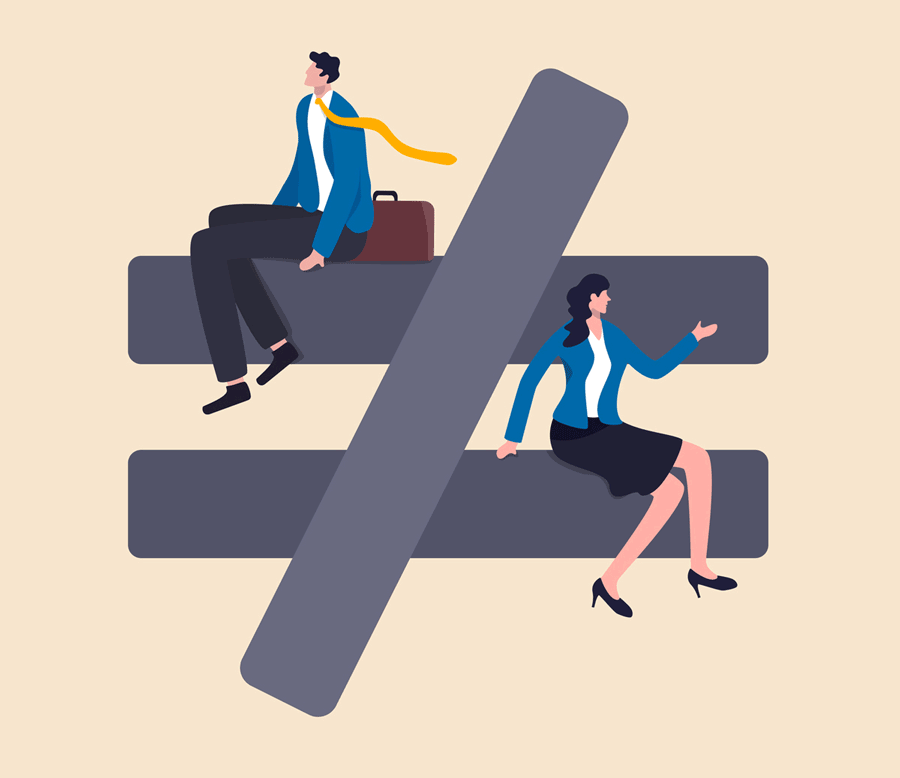
Zooming out, there’s another conversation running alongside all this: should the formal economy stay as it is, or do we need to rethink the whole system? The feminist economics community has sounded the alarm for years—our usual accounting leaves out unpaid care work (mostly done by women), tax structures often penalize secondary earners (again, mostly women), and much of global finance extracts value from developing economies faster than development aid can keep up.
But here’s the thing: the World Bank isn’t built to question the system itself. Its job is to help more people within the current system—give more women a shot at economic security using the ladder we have. That’s a valid and important goal. But let’s not pretend it’s the same as pushing for a deep overhaul of the economic order.
Now, the bigger context. These Spring Meetings come on the heels of a bleak UN report: the gap to fund the Sustainable Development Goals is growing $4 trillion a year short, with $420 billion of that missing for gender equality alone. At the same time, development aid is drying up. The US is pulling back, and European donors are spending more at home, mainly on security.
So, today’s lively discussions about targets and ambitious goals are happening in a world that just isn’t ponying up the money to meet them. The answer to “How do we get from targets to transformation?” is harsh: slowly, and sometimes not at all, especially where the need is greatest.
The meetings ended with the right conversations in the room. The right problems, the right language. But fewer of the funders, and more political headwinds than we’ve seen in a generation. “From Targets to Transformation” sounds inspiring, but conversations don’t equal change. They’re just the start. What happens next? That battle isn’t fought in grand hotel conference centers. It happens where budgets are drafted and that’s where the real test begins.
Clear Cut Gender Desk
New Delhi, UPDATED: April 21, 2026 05:42 IST
Written By: Jay