
India’s SDG ranking has improved, but urban poverty continues to leave millions in slums without proper housing, water, healthcare, and education. The article highlights how sustainable development cannot succeed unless cities become inclusive for vulnerable residents like Kamla Bai.
She moved to the city for a better life
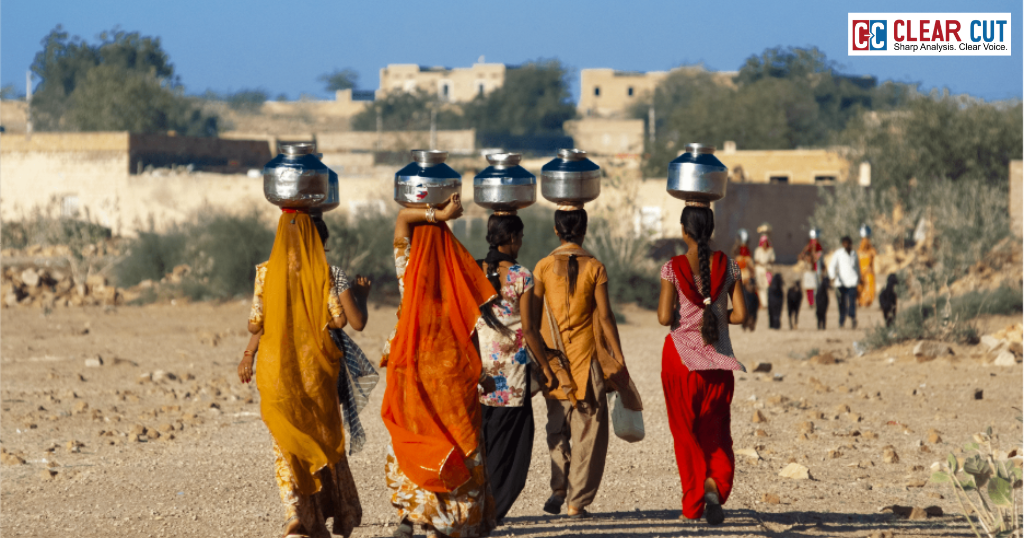
Kamla Bai came to Bhopal from a village in Vidisha district 17 years ago. She had heard that the city had jobs, schools, and hospitals. What she found, in a resettlement colony on the city’s outskirts. It was a one-room tenement with a shared tap that ran for forty minutes a day. No signs of a sewage connection, no school running nearby, and a primary health centre that was unstaffed on 3 of 6 working days. She has not gone back. But she has not, in any meaningful sense, arrived either.
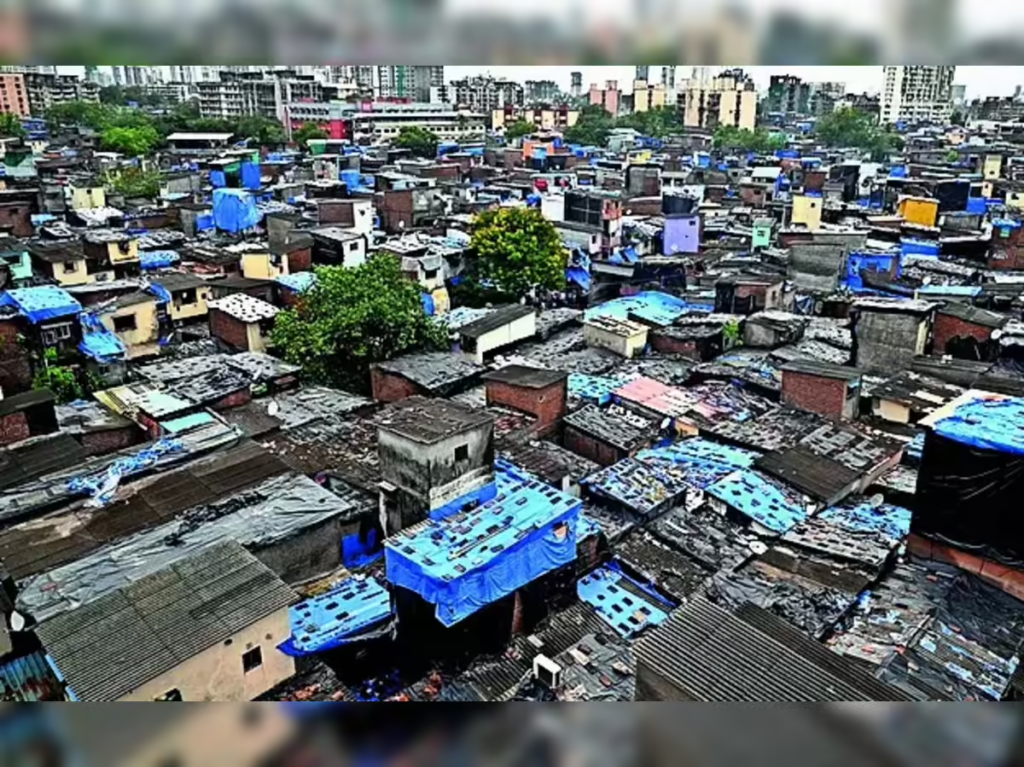
Kamla is one of 93 million Indians who live in urban slums. This figure stands for one in four urban residents, according to the 2025 Sustainable Development Report. She occupies that uncomfortable territory between rural poverty, which India has made dramatic progress in reducing, and the urban prosperity that migration promised her. In the language of the Sustainable Development Goals, she is precisely the person the global development agenda was designed to reach. And she is, by most measures, being missed.
What the numbers say about India’s SDG Journey
In 2025, India entered the top 100 countries in the annual Sustainable Development Report for the first time. It ranked 99th, which was a meaningful climb from 112th in 2023. Progress has been real: on SDG 1 (No Poverty) and SDG 10 (Reduced Inequalities). India is firmly on track. The World Bank’s Spring 2025 Poverty and Equity Brief confirmed that extreme poverty declined from 16.2% in 2011-12 to 2.3% in 2022-23. 378 million people were lifted from poverty overall and 171 million from extreme poverty.
But the headline number conceals a geography problem. The poverty India has reduced most successfully is rural and extreme. Urban poverty tells a different story. India’s National Multidimensional Poverty Index, tracking health, education, and living standards, showed urban MPI at 5.27% in 2019-21, down from earlier levels. Yet, the 2025 SDG Report flags SDG 11 (Sustainable Cities and Communities) as stagnating or worsening across 3 of 4 indicators: slum population share, air pollution, and access to improved water. Only public transport access is improving.
The SDG Web: Urban poverty pulls everything backward
Urban poverty is not a single goal problem. It is a multiplier. When a family lives in a slum without clean water, SDG 6 (Clean Water) is compromised. When children attend overcrowded schools with undertrained teachers, SDG 4 (Quality Education) stalls. When women like Kamla have no formal employment and no social security, SDG 8 (Decent Work) and SDG 1 (No Poverty) diverge. When open drains and uncollected waste breed preventable disease, SDG 3 (Good Health) retreats. Urban poverty does not exist in one SDG column. It sits at the intersection of all of them, compounding.
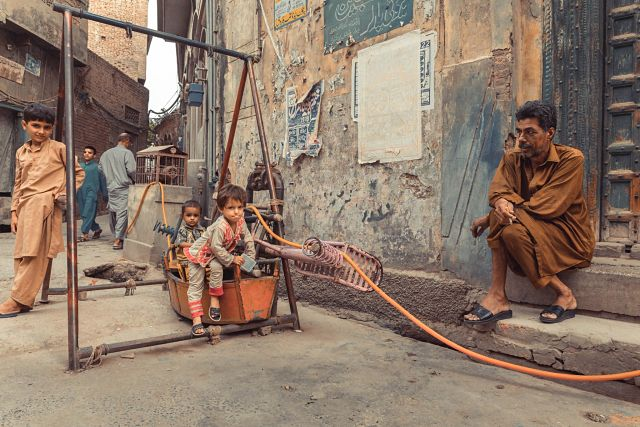
India’s urban population is projected to reach 590 million by 2030. Cities will hold an ever-larger share of India’s population, labour force, and its most acute development challenges. Yet urban governance is still fragmented across municipal bodies with limited financial autonomy, inadequate infrastructure investment, and no consistent mandate to address informal settlement needs as a rights-based priority rather than a law-enforcement problem.
The Policy Architecture that can be beneficial to India
India’s Smart Cities Mission has invested in sensor networks, dashboards, and digital infrastructure. It has not systematically invested in the lived conditions of informal settlements that sit on its cities’ edges. The PM Awas Yojana (Urban) has delivered housing units; independent assessments have found gaps in affordability, location, and quality that prevent the poorest urban residents from accessing what was built for them.
Three structural changes are essential. First, urban local bodies must be granted constitutional financial autonomy adequate to fund basic service delivery in informal settlements. The 15th Finance Commission’s urban grants must be expanded and made conditional on slum improvement outcomes, not process milestones. Second, India must adopt a National Urban Poverty Reduction Strategy that explicitly links SDG targets to city-level action plans, with annual third-party verification. Third, informal settlement residents must be recognised as full rights holders in urban planning processes.
Conclusion
The SDGs were written for Kamla Bai. They were written for the 93 million people in India’s urban slums who moved to the city for the life that progress was supposed to deliver. India’s SDG ranking is rising. That is worth acknowledging. But a ranking is a national average, and national averages do not carry water to a colony where the tap runs for forty minutes a day.
By 2030, India will either have built cities that include their most vulnerable residents, or it will have built gleaming infrastructure that those residents cannot access, afford, or trust. The first path leads to a country where development is a shared achievement. The second leads to a country where it is a statistic. The choice is being made right now, in urban planning commissions, in Finance Ministry budget allocations, and in the decision about whether informal settlements are a problem to be solved or a community to be served. Make the right choice. Kamla is still waiting for the city she was promised.
Clear Cut CSR, Livelihood Desk
New Delhi, UPDATED: May 08, 2026 09:00 IST
Written By: Tanmay J Urs