
- PM SVANidhi has disbursed over 1.12 crore loans worth ₹17,800 crore to more than 75.69 lakh street vendors, helping them access formal credit and reduce dependence on moneylenders.
- The scheme has boosted digital payments and financial inclusion, with 72.4% of beneficiaries becoming digitally active and recording 841 crore digital transactions worth ₹8.96 lakh crore.
- While the programme has improved incomes and credit access for millions, challenges such as slow loan processing and uneven state-wise coverage continue to affect its reach.
The Numbers Behind the Movement
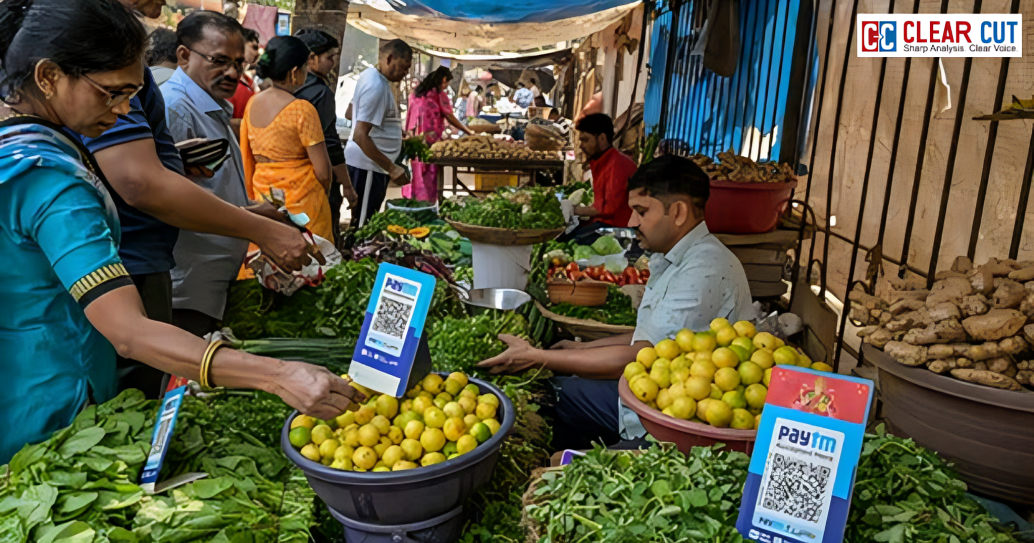
Walk down any Indian city street today and you will encounter a chai vendor, a fruit cart or a cobbler. The harshest part is they are invisible in our policies, but very essential in life. For decades, this workforce worked outside formal finance, trapped in debt cycles with local moneylenders charging usurious rates. On June 1, 2020, that began to change.
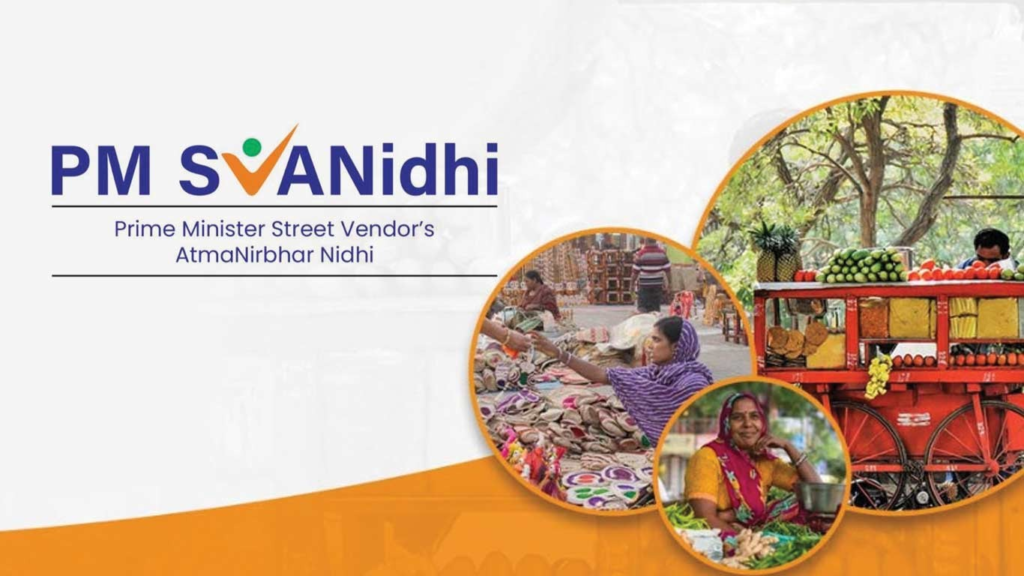
According to the PIB, PM SVANidhi (Prime Minister Street Vendor’s AtmaNirbhar Nidhi) has disbursed over 1.12 crore loans worth ₹17,800 crores, to more than 75.69 lakh micro-entrepreneurs across India, 6 years since the launch. The officially released government data suggests, 72.4% of beneficiaries are now digitally active and conducting transactions through UPI and other platforms. Cumulatively, 841 crore digital transactions worth ₹8.96 lakh crores have been recorded under the scheme. These figures dwarf any comparable micro-credit programme in modern Indian history.
How the Ladder Works
The scheme runs on a progressive lending model. Vendors begin with a first tranche of ₹15,000, graduating to ₹25,000 on prompt repayment, and eventually accessing ₹50,000. A 7% per annum interest is credited quarterly, making formal credits genuinely affordable for the first time for this cohort. Field surveys show that beneficiary households saw an average annual income growth of 20% after joining the scheme. Around 30% of verified vendors successfully accessed added credit lines beyond their first SVANidhi loans. These act as evidence of improved creditworthiness in a population historically deemed unbankable.
Structural Gaps That Cannot Be Ignored
The scheme is not without fault lines. The average loan processing time remains approximately 23 days. This is too slow for vendors whose businesses operate on daily cash flows. Coverage is geographically uneven: Uttar Pradesh and Madhya Pradesh report high uptake, while states like Tripura have recorded only 9,300 loan sanctions. The government extended the scheme to 2030 in a restructured form last year. It added cash back on wholesale purchases alongside retail digital transactions which is a positive structural upgrade. But unless last-mile banking access improves in lagging states, fair delivery will remain aspirational.

The Accountability Imperative
The government must publish state-wise quarterly disbursement data in real time. Lending institutions need binding turnaround-time mandates. Social security convergence linking SVANidhi beneficiaries to Jan Dhan, insurance, and pension schemes must be executed well. Every vendor still outside the system is not a gap in a database; they are a person working without a safety net.
A Vision Worth Completing
SVANidhi is, at its core, a recognition: that the informal economy is not a problem to be managed but a force to be empowered. India’s 50 million+ street vendors contribute invisibly to GDP, to food security, to urban livelihoods. They deserve not just microcredit, but a formal economic identity. The next phase must deliver not just loans, but legal vendor zones, social protection, and skills infrastructure. Completing what SVANidhi started is a part of nation-building.
Clear Cut Health Desk
New Delhi, UPDATED: June 06, 2026 01:30 IST
Written By: Tanmay J Urs