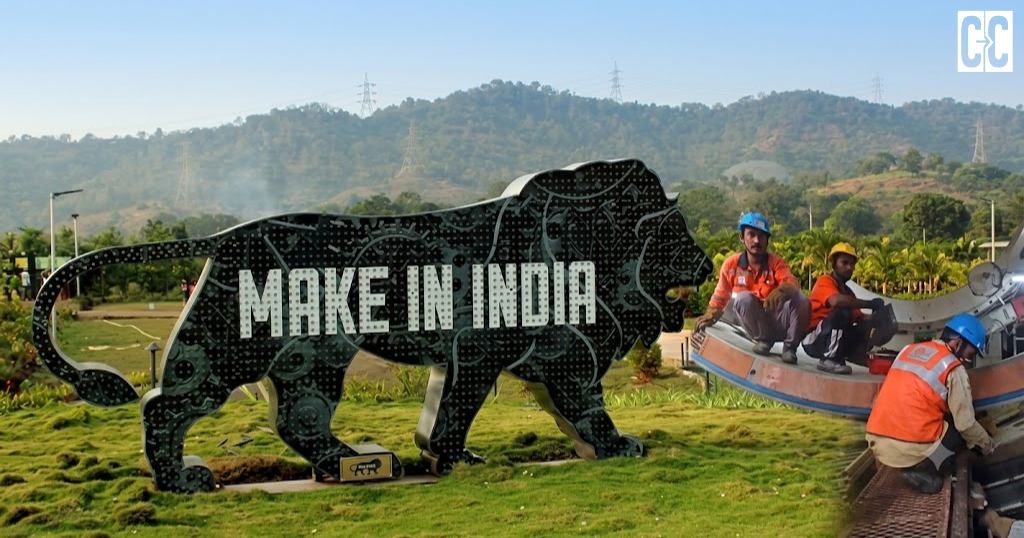

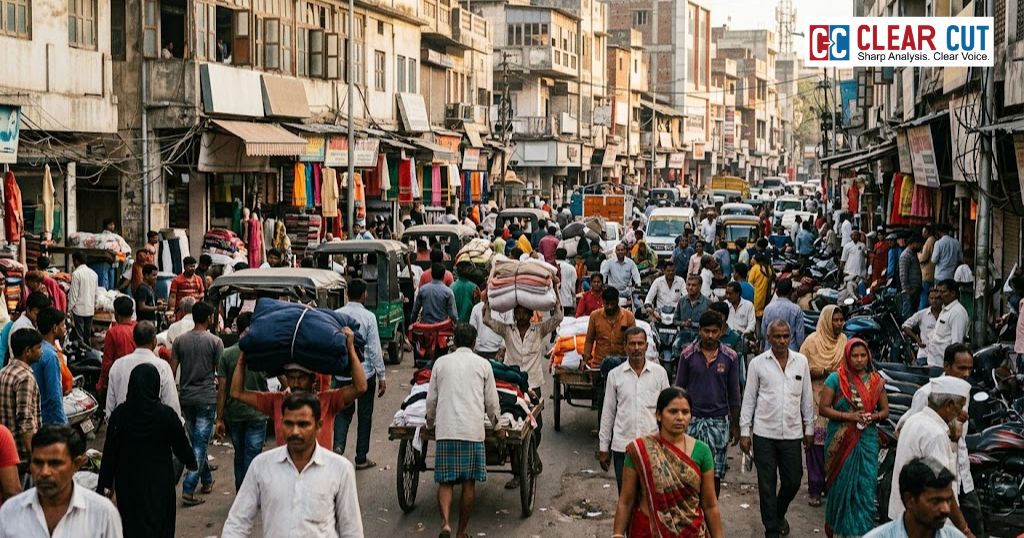
- Surat’s rise as India’s Diamond City and Textile City was driven by millions of migrant workers, who built its industries, supported its economy, and played a vital role in rebuilding the city after the 1994 plague.
- Despite powering Surat’s growth for decades, migrant workers have repeatedly faced insecurity during crises like the COVID-19 lockdown and the 2026 diamond industry slowdown, highlighting the need for stronger labour protections and portable social security.
Ask most people what Surat is known for, and they will say diamonds, or silk, or perhaps the fact that it is one of India’s cleanest cities. Almost nobody will say the real answer: Surat is, more than anything else, a city built entirely by people who came from somewhere else. At various points over the last 5 decades, migrants have made up close to 58 to 60% of the city’s total population. It means that for most of Surat’s modern history, the majority of people walking its streets were not born there (IIMB, n.d.; The Migration Story, 2026). That is not a side note in Surat’s story. It is the story.
The City That Outsiders Built
Surat handles close to 90 to 92% of the world’s rough diamond cutting and polishing, and produces roughly 25 million metres of processed fabric and 30 million metres of raw fabric every day. It supplies to more than 90% of India’s polyester (Historyrise, 2025; Scribd, n.d.). Neither industry was built by Surat’s original residents. The textile boom traces back to migrants from Calcutta and Rajasthan, who arrived for the city’s convenient location between Ahmedabad and Mumbai and built the textile houses that defined the local economy for decades (Historyrise, 2025). The diamond trade followed a similar script. It was largely built and sustained by Saurashtra Patels, a migrant community from the Kathiawad region of Gujarat who arrived from the 1960s onward and turned Surat into the world’s diamondcutting capital (CiteSeerX, n.d.).
At the height of this growth, researchers studying Surat’s diamond economy found the city home to roughly 41.76 lakh migrant labourers, drawn from 21 Indian states and 33 districts within Gujarat itself, working across textile manufacturing, dyeing, embroidery, construction, and diamond cutting and polishing (IIMB, n.d.). Around 60% of these workers were contractual labourers or daily wage earners. The city’s two signature industries ran, quite literally, on the backs of people with no permanent claim to the place that depended on them (IIMB, n.d.).
A City That Rebuilt Itself After Disaster With Migrant Hands
Surat’s reputation today as one of India’s cleanest and best-managed cities did not happen by accident. In 1994, the city was struck by a pneumonic plague outbreak that killed at least 50 to 56 people, infected hundreds more and triggered a mass exodus. It is estimated to somewhere between 300,000 and 600,000 residents fled within days, fearing quarantine (Grokipedia, n.d.). International f lights were briefly suspended. Food grain exports from the city were banned. Surat became, for a moment, an international pariah.
The city’s recovery is now a welldocumented case study in urban governance, credited largely to IAS officer S.R. Rao, who took over as Municipal Commissioner in May 1995. Rao restructured the city into 6 administrative zones, introduced daily accountability reviews, covered open drains, installed pay-and-use toilets in slums, and forced civic officials out of air-conditioned offices and into the field for at least 2½ hours a day. He literally called this programme “AC to DC”. Within 2 years, sanitation coverage rose from 35 to 95 percent and solid waste collection from 40 to 97%, while disease rates fell by 70% (Inspiring Story, 2020). By 1996, Surat had gone from international health scare to India’s cleanest city (Architexturez, 2020).
The Forgetting Happens Quietly Until It Cannot
That forgetting becomes visible every time the city faces stress. During the COVID-19 lockdown in 2020, more than 324,000 documented migrant workers left Surat through Shramik Special trains, government buses, and private vehicles. An estimated 246,000 undocumented workers left on foot or by bicycle, with no formal record of their departure at all (IIMB, n.d.). The city’s textile and diamond industries, dependent on contractual labour with no safety net, were among the worst hit, and workers who had powered Surat’s economy for years suddenly had no income and no acknowledgment that they had ever been essential to the city at all (IIMB, n.d.).
That pattern has resurfaced in 2026, for different reasons. Western sanctions on Russian diamond supply chains, falling global exports and new American tariffs have squeezed Surat’s diamond industry hard enough that workers are leaving again. Not temporarily this time, but for good. One polisher who had lived in Surat for more than 2 decades told a recent report that after his wages were halved over 5 months. He had no choice but to return to his home village, even knowing it offered “no future” for his children. He now earns roughly the same modest wage doing manual labour at home, that he once earned in the city that depended on his decades of skilled work.
What Surat Should Actually Be Remembered For
India loves to celebrate Surat as a smart city, a clean city, a Guinness World Record host for its mass yoga gatherings and the diamond capital of the world (Graphsearch EPFL, n.d.). All of that is true and worth celebrating. But none of it would exist without millions of migrant workers who arrived from Rajasthan, West Bengal, Uttar Pradesh, Odisha, Bihar, and dozens of Gujarat’s own districts, built its industries from nothing, rebuilt its sanitation systems after a plague, and are now quietly leaving again because the city’s prosperity has once more stopped including them.
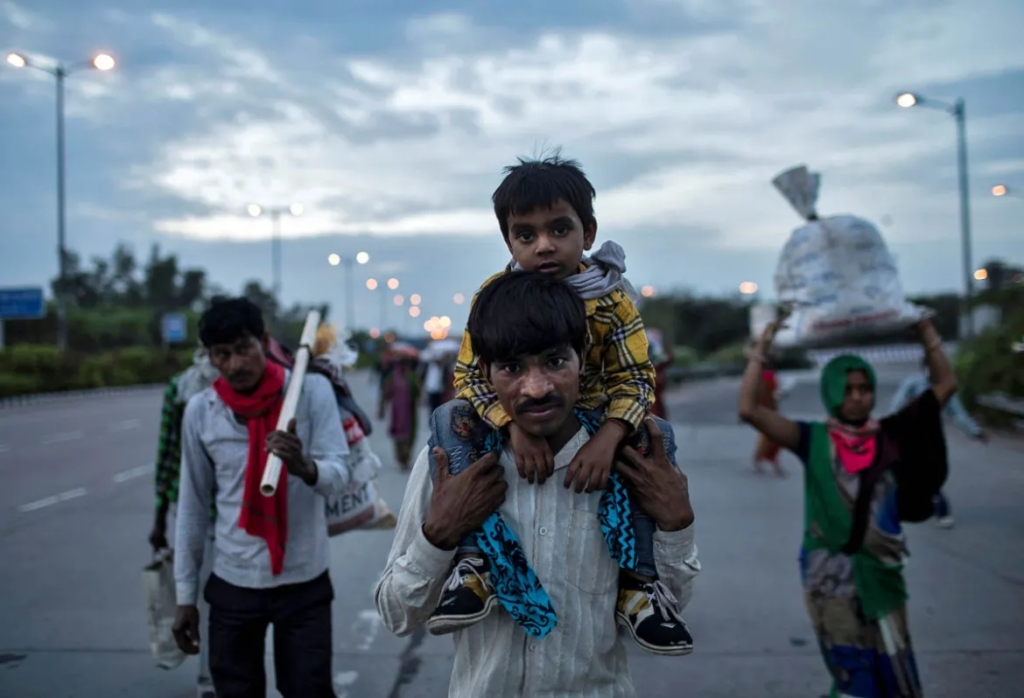
A genuinely fair tribute to Surat would not just be another article about diamonds and cleanliness rankings. It would be a serious, funded commitment to migrant worker housing, portable social security that follows a worker between states and labour protections that do not evaporate the moment an industry hits a rough quarter. Surat did not become the Diamond City and the Textile City by accident. It became those things because people who were not born there decided to stay and build something. The least the city owes them is to stop treating that decision as disposable.
Clear Cut Research Desk
New Delhi, UPDATED: July 19, 2026 09:00 IST
Written By: Tanmay J Urs