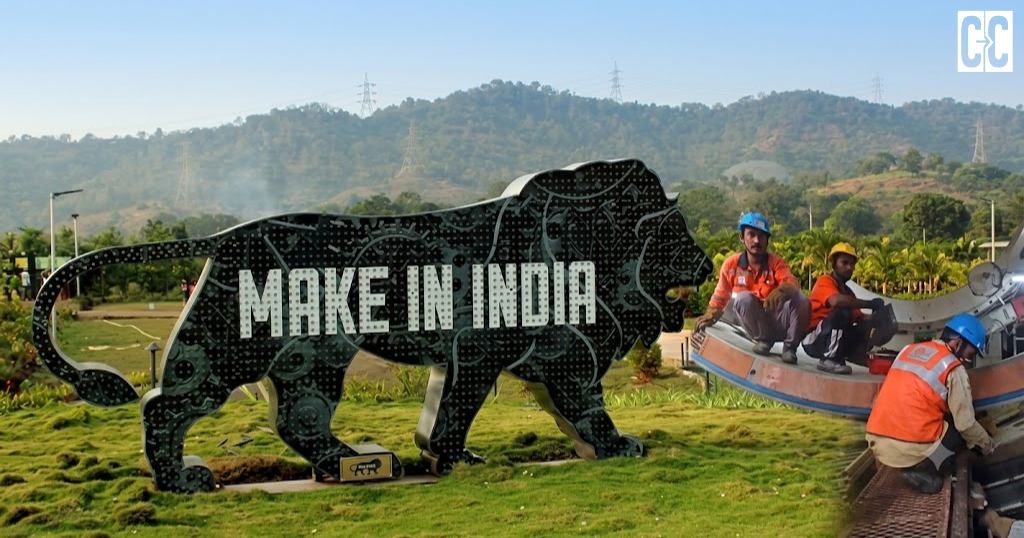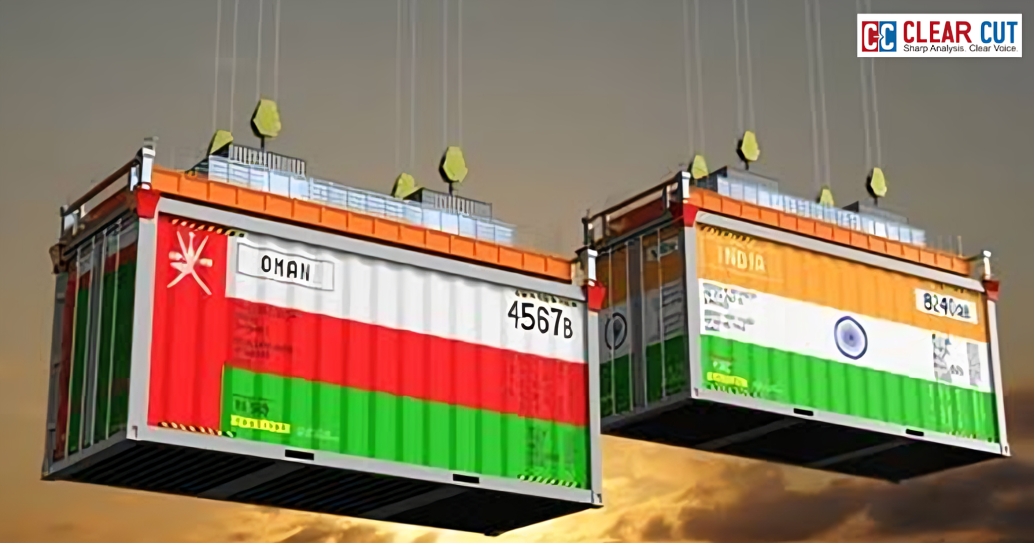
- The India–Oman CEPA, effective from June 1, 2026, expands tariff-free market access, boosting Indian exports across sectors such as agriculture, pharmaceuticals, textiles, and engineering goods.
- Beyond trade, the agreement strengthens India’s energy security through closer ties with Oman, a key LNG supplier, while supporting the large Indian diaspora and business community in the Gulf.
- Positioned at the gateway to the GCC market, Oman could help India deepen its regional economic footprint and unlock new opportunities for exporters and MSMEs.
One Agreement, Multiple Frontiers
It is unusual for a trade deal to carry the weight of energy security, diaspora diplomacy, and strategic geography all at once. The India–Oman Comprehensive Economic Partnership Agreement (CEPA), which entered into force on June 1, 2026, does all three. It was signed in Muscat on December 18, 2025, in the presence of Prime Minister Narendra Modi and Sultan Haitham bin Tarik Al Said. The agreement was operationalised by Union Commerce Minister Piyush Goyal with the first consignments leaving from Mumbai, Kolkata, and Chennai under preferential tariff on the same day.

The Trade Arithmetic
Bilateral trade between India and Oman reached USD 11.18 billion in FY 2025-26, up from USD 10.61 billion the previous year. Under the CEPA, Oman now grants zero-duty access on 98.08% of its tariff lines. This covers 99.38% of India’s export value with immediate elimination on 97.96% of lines from Day One. India offers tariff liberalisation on 77.79% of its tariff lines, covering 94.81% of imports from Oman by value.
The sectors unlocked include engineered goods, pharmaceuticals, agriculture, marine products, textiles, gems and jewellery, and processed foods. All labour-intensive, all employment-rich gain direct price advantage in a market of 4.8 million consumers with high per-capita purchasing power. India is already Oman’s second-largest agricultural supplier. The removal of duties on rice, boneless meat, dairy, honey, and marine exports converts that relationship from transactional to structural.
The Strategic Calculus
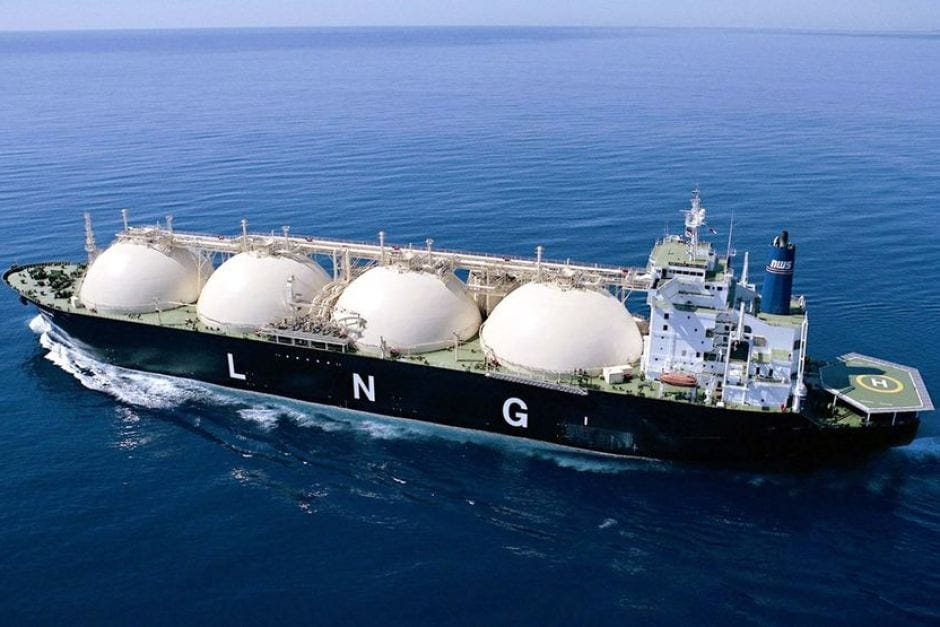
This agreement is as much about geopolitics as economics. Oman sits at the mouth of the Strait of Hormuz, which is the choke point through which 20% of global oil flows. During supply disruptions earlier in 2026, Oman served as India’s single largest LNG supplier. This accounted for 31% of total domestic LNG imports. A formalised economic architecture between the 2 countries insulates India’s energy supply chain from the volatility now endemic to the wider Gulf.
7 lakh Indian nationals live in Oman, remitting approximately USD 2 billion annually. Over 6,000 Indian business establishments operate across the country. The CEPA recognises this human and commercial presence and builds a regulatory framework around it to cover services, investment, professional mobility, and dispute settlement. This is India’s 5th major trade pact since 2014, and the 2nd in 6 months, following the UK CEPA.
What Must Follow
Preferential tariff is only the opening move. India’s MSME exporters require customs facilitation, product certification support and digital trade infrastructure to operationalise benefits. The government must set measurable export-value targets sector by sector, report quarterly to Parliament on CEPA utilisation rates, and ensure that small exporters capture the gains. A trade deal that enriches only the organised sector is an incomplete deal.
The Gulf as Gateway
Oman is more than a bilateral partner. It is India’s entry point into a GCC market that recorded USD 122 billion in imports from India in 2024-25. The UAE CEPA of 2022 has since breached its USD 100 billion target with a new goal of USD 200 billion by 2032. Oman can follow a similar trajectory. The architecture is signed. The ambition must now be operationalised.
Clear Cut Livelihood Desk
New Delhi, UPDATED: June 07, 2026 09:00 IST
Written By: Tanmay J Urs