- The India-UK CETA has opened new export opportunities for Jammu’s leather industry, with the first shipment to the UK marking a major step towards boosting trade and local economic growth.
- The agreement is expected to generate employment, empower women artisans, strengthen MSMEs, and revive traditional leather craftsmanship in Jammu and Kashmir through increased global market access.
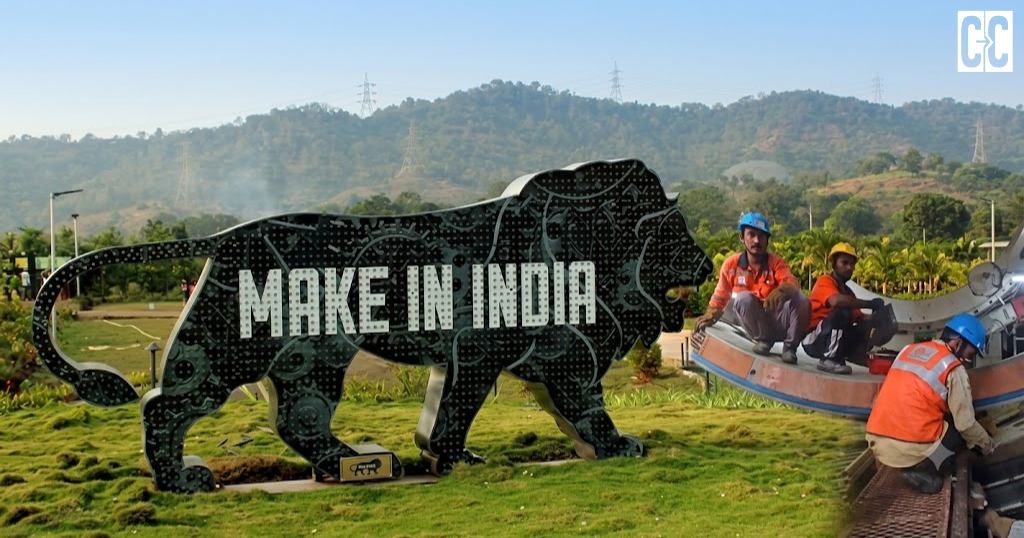
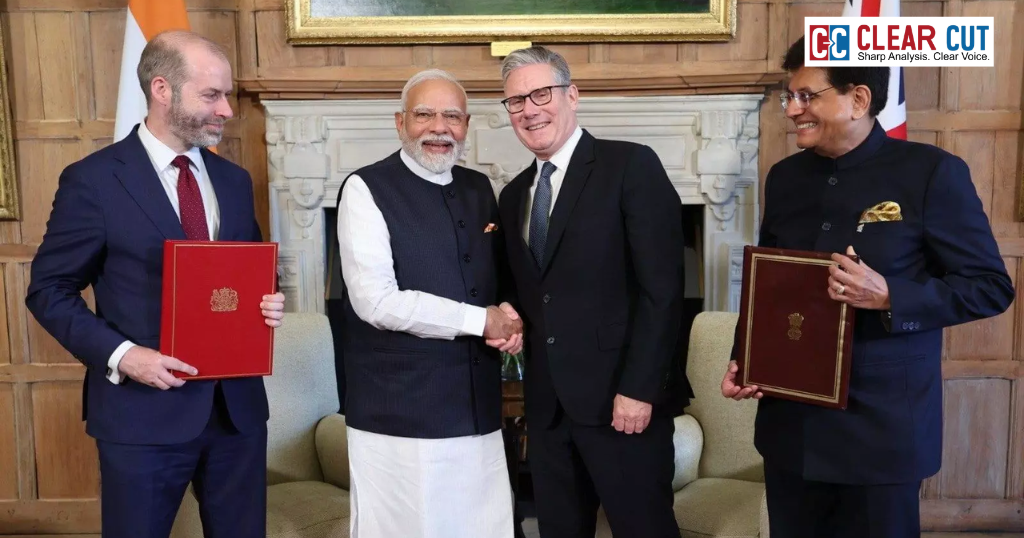
In a historic development, the first export shipment of leather products to the UK was flagged off on July 15, 2026, from Sunjwan in Vijaypur, signaling the operationalisation of the India-UK Comprehensive Economic and Trade Agreement (CETA). The Assistant DGFT, RA Jammu, Shri Vivek Kumar Sabharwal have spearheaded the shipment. It presents not just a landmark trade move but also a potential source of employment for communities suffering from the job crisis.
“More than 99.5 percent of India products will be granted access to United Kingdom’s market duty free by eliminating duty from a very large component of exports to the adversary competitive countries, namely Bangladesh, Vietnam etc,” said Sabharwal explaining “Leather items, apparel and textiles, jewellery and other things, on social impact, it is to give the needed nudge to the Jammu exports to go high and enable to generate employment for a lot many people such as people and their livelihoods including the women artisans and entrepreneurs and also MSMEs and others.” The reforms in question come into effect at a particularly opportune time, given the already high levels of unemployment. The current unemployment figures in Jammu and Kashmir (at 6.7%) remain nearly double the national average of 3.5%, and are even higher among young adults, at around 17.4% for those aged 15 to 29.

There are lakhs of educated unemployed, including in rural and semi-urban areas with little or no industrial base, which constrains opportunities to create inclusive businesses and livelihoods. The kick-start of the consignment demonstrates that policy measures which facilitate access to international markets can yield broader social gains, as evidenced in reviving a historic craft business. In this context, a boost to this export avenue represents revival, entrepreneurship for locals, and help in containing outward migration. In fact, J&K traditionally had a strong leather industry, but it has declined over the years; this new stride offers a basis to develop it on inclusive lines.
A sector across the entire country provides direct employment to nearly 45 lakh persons, over 30% of whom are women, and offers significant scope for development and training, with substantial job creation opportunities. In J&K, schemes such as the PM Vishwakarma Scheme have already signed up 1.55 lakh artisans, including leather workers, and are rolling out toolkits, skills development, and loans – the stage appears set for such artisan segments to scale up with exports as a goal. Expert analysis further pointed out the larger social benefits.
Economists suggested that agreements like the CETA have the potential to generate several job opportunities in labour-intensive industries as well as enable marginalised sections. It has projected some large opportunities within terms of textiles and leather industry, where the penetration among rural artisans and the presence of women are very strong, that are likely to stimulate economic activity and contribute to household livelihoods,” one study said. The Government of India also runs state-specific government programs as part of Mission Youth. – Schemes ‘Mumkin ‘, ‘Tejaswini’, and ‘Spurring Entrepreneurship Initiative’ which focus on imparting seed capital assistance in self-employment and business units targeted towards young women and youth. Emphasis has been laid on a comprehensive approach that connects skilling opportunities with integrated support.
As bilateral trade between India and the United Kingdom is around $56 billion and projected to grow further, events like Jammu can translate into on-the-ground impact through policy push. By bringing together educational institutions, training and skill agencies, employers, and governments – with a focus on inclusive programs – the Jammu summit can sow the seeds of economic and social equity in Jammu.
Clear Cut Livelihood Desk
New Delhi, UPDATED: July 24, 2026 10:00 IST
Written By: Yatharth Pathak