


- India-Oman CEPA, effective from 1 June 2026, provides duty-free access to 99.38% of Indian exports, giving Indian businesses a significant competitive advantage in the Omani market.
- Key sectors including pharmaceuticals, gems & jewellery, agriculture, fisheries, textiles, and services are expected to benefit through faster approvals, expanded market access, and investment opportunities.
- The agreement strengthens India’s Gulf trade strategy, but its success will depend on how effectively MSMEs and exporters can utilize the benefits and comply with trade requirements.
INTRODUCTION
On 1st June 2026, consignments of Indian gems, agricultural produce, and pharmaceutical goods were flagged off into the Gulf. This was observed as a quiet, historical event at the ports of Mumbai, Kolkata, and Chennai. Fortunately, this time, not a single rupee of import duty waiting on the other side. The India-Oman Comprehensive Economic Partnership Agreement (CEPA) had come into force.
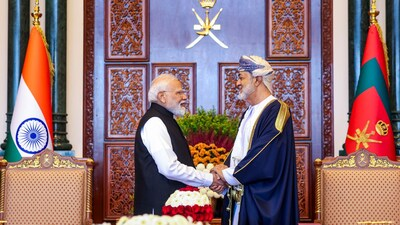
The India-Oman CEPA deal was signed in Muscat on December 18, 2025. This was observed in the presence of Prime Minister Narendra Modi and Sultan Haitham bin Tarik Al Said of Oman. The agreement represents the 1st bilateral trade pact Oman has signed with any country, since the United States in 2006. It is not merely a tariff document, but a structural redesign of how India engages with the Gulf.
| $11.18B Bilateral Trade FY26 | 99.38% Indian Exports Now Duty-Free | 15.33% Prior Duty-Free Coverage | 90 Days Pharma Approval Window |
WHAT CHANGED OVERNIGHT
Before June 1, 2026, only 15.33% of Indian exports entered Oman free of duty. The rest bore standard Most Favoured Nation tariffs. The CEPA deal changed that figure to 99.38%. This was specifically monumental as it was neither phased over 5 years nor subject to quotas but was immediate and permanent. Indian exporters gained a structural price advantage over competitors from China, Italy, Thailand, and Turkey, who continue to pay duties.
Bilateral trade between India and Oman reached USD 11.18 billion in FY 2025-26, up from USD 10.61 billion the previous year. Oman’s total import market stands at nearly USD 28 billion and India’s share remains modest, despite geographic proximity. The CEPA is an invitation to close that gap.
“From June 1, 2026, 99.38% of Indian exports enter Oman duty-free. Competitors still pay. That asymmetry is the entire trade policy.”
SECTORS IN THE SPOTLIGHT
Indian pharmaceutical manufacturers stand to gain considerably. Oman’s pharmaceutical import market is valued at USD 302.84 million and is growing at 6.6%/annum. Under the CEPA, Indian generic manufacturers can now obtain 90-day marketing authorisation for products approved by the USFDA, EMA or UK MHRA. For a sector built on speed and volume, that window matters enormously.

According to APEDA Agri Export Data / Ministry of Commerce, FY 2025-26, the gems and jewellery sector are another beneficiary. Oman’s jewellery import market is USD 1.07 billion, while India currently supplies only USD 25.78 million of it. Clusters in Jaipur and Surat now have a price edge that no competitor can structurally match. Agriculture, fisheries, and textiles round out the early winners.
On services, the agreement commits Oman to 100% FDI by Indian companies in major services sectors through commercial presence. This provision opens the door for India’s IT and professional services industry to establish a permanent footprint in the Gulf.
POLICY-FORWARD VISION
The CEPA is part of India’s nine free trade agreements now in force, covering 38 countries — a network built through pacts including the UAE (2022), Australia (2022), Mauritius (2021), EFTA (in force October 2025), and the UK (July 2025), among others. It signals an accelerating strategy of building anchor partnerships in high-growth, geographically proximate markets rather than waiting for multilateral trade rounds that move slowly.
The accountability question is whether ground-level exporters like MSMEs can access these benefits or not. Past FTAs have suffered from low utilisation due to complex rules-of-origin requirements and limited awareness. The Ministry of Commerce must ensure that benefit documentation, APEDA certifications, and EIC certificate recognition mechanisms are communicated at the district level, not just in policy circulars. The moment demands urgency. Every month of delay in utilisation is a month competitors spend catching up. India’s exporters did not wait for this agreement. The agreement must now go looking for them.
Clear Cut Livelihood, Startups Desk
New Delhi, UPDATED: June 10, 2026 05:00 IST
Written By: Tanmay URS