- NHAI has introduced a mechanised maintenance framework ahead of the 2026 monsoon, making drain cleaning and advanced road maintenance equipment mandatory on key National Highway and Expressway stretches.
- The framework includes automated pothole filling, road sweeping, and drainage cleaning technologies aimed at reducing waterlogging, improving maintenance efficiency, and extending highway life.
- While pilot projects are already operational in several states, the success of the initiative will depend on timely implementation and transparent compliance monitoring on the ground.
THE MOST UNIVERSAL COMPLAINT ABOUT INDIAN ROADS
Ask any regular highway commuter in India what frustrates them most, and pothole-strewn stretches and waterlogged underpasses will almost certainly make the list. Manual maintenance simply cannot keep pace with monsoon damage at the scale of a 1.46-lakh-kilometre national highway network. Ahead of the 2026 monsoon season, NHAI has rolled out a new mechanised maintenance framework designed to change that equation structurally, not cosmetically.
It is a policy shift embedded directly into NHAI’s maintenance contracts. The change, if implemented as written, should outlast any single minister’s tenure or any single budget cycle.
| PBMC Maintenance Contract Type | Mandatory Monsoon Drain Cleaning | 3 Equipment Categories Added | Haryana, Punjab, Gujarat States With Active Pilots |
WHAT THE NEW FRAMEWORK ACTUALLY MANDATES
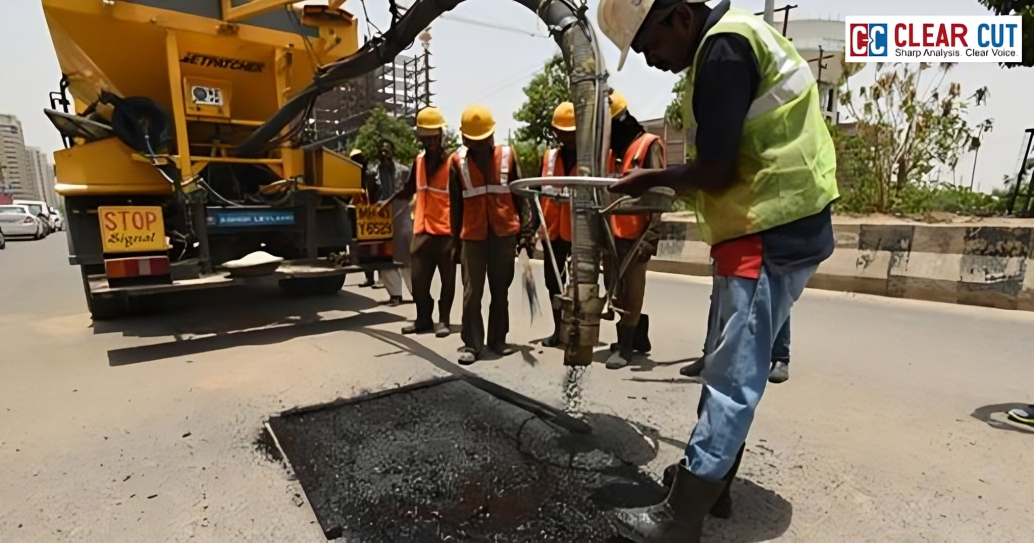
NHAI has issued comprehensive guidelines making mechanised cleaning of lined drains mandatory on National Highway and Expressway stretches passing through urban and built-up areas, ahead of the monsoon. The use of high-flow super suction and jetting units, hydraulic grab machines and dewatering pump sets equipment designed to clear accumulated silt, slurry, and heavy debris from drainage channels. This could be achieved before they cause the waterlogging that strands commuters every rainy season.
In parallel, NHAI has incorporated Automatic Pothole Filling, Compacting & Patching Machines and Mechanised Road Sweeping Machines into the official equipment list under Performance-Based Maintenance Contracts (PBMC). The framework also provides a defined mechanism for assessing and approving the costs of deploying this equipment within ongoing maintenance contracts, removing a bureaucratic bottleneck that often delays technology adoption on the ground.
WHERE IT’S ALREADY WORKING
These technologies are not theoretical. Mechanised road sweeping equipment is already operational on the Varanasi-Aurangabad and Handia-Rajatalab highway stretches, as well as on several projects across Haryana, Punjab, and Gujarat. It gives NHAI real operational data to refine the framework before rolling out nationwide. The authority’s own assessment is that automated pothole repair machines will accelerate pavement restoration, reduce maintenance response times, and minimise commuter inconvenience, while also preserving the structural integrity of highway assets over the longer term.
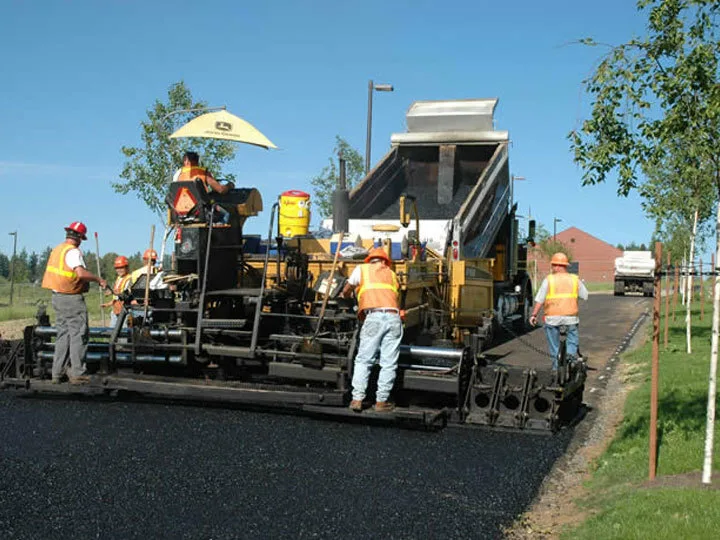
The economic logic is straightforward: preventive, mechanised maintenance costs less over a highway’s lifecycle than reactive, manual repair after potholes have already caused vehicle damage, accidents, or pavement failure requiring full resurfacing.
WHERE SCEPTICISM IS WARRANTED
Public reaction to the announcement, visible in reader comments accompanying several news reports, carries an understandable undertone of fatigue. The citizens noting that similar promises in previous years did not prevent waterlogging on stretches like the Mumbai-Pune Expressway, or chronic drain blockages on Bengaluru’s elevated corridors. That scepticism is fair and should be treated as a benchmark, not dismissed as noise.
NHAI must publish stretch-wise compliance data before the 2026 monsoon peaks, not after. A guideline that exists only on paper protects no commuter. The technology described here is sound. Whether it reaches the highway before the next flood does is the only question that will determine if this announcement mattered.
Clear Cut Research Desk
New Delhi, UPDATED: June 22, 2026 09:00 IST
Written By: Tanmay Urs