- India recorded a record 20,138 organ transplants in 2025, with deceased-donor transplants rising to 3,526.
- Despite this growth, low donation rates, regional and gender disparities, brain-stem death certification gaps, and affordability barriers continue to limit access to organ transplantation.
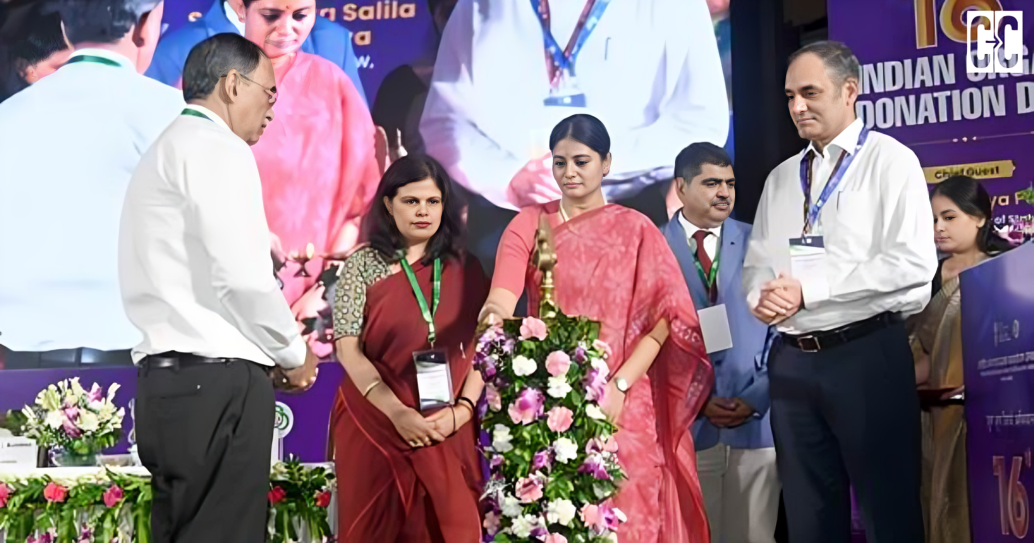
New Delhi, Aug 3 (PTI) India achieved a record 20,138 organ transplants in a single year in 2025, the highest ever registered in the country, Union Minister of State for Health and Family Welfare Anupriya Patel said at the 16th Indian Organ Donation Day event on Saturday. Transplants from deceased donors have more than quadrupled over 12 years, from 837 in 2013 to 3,526 in 2025. India is third in the world for the overall number of organ transplants and first for living-donor procedures, she noted. On this occasion, the government also launched the Jug Jug Jiyo Abhiyaan, a year-long organ donation awareness campaign; the e-Pratyaropan digital platform for wait-listing; the new NOTTO mobile app; and national guidelines on brain-stem death certification and organ swap transplantation.
Compared to global data, though, that figure takes on a different context. India’s deceased donor rate was 0.83 per million population in 2014, versus nearly 49 per million in Spain, the highest in the world, and considerably less than in the United States, to cite only two examples. In essence, India has the second-highest number of transplants in the world second to the USA because it is the second most populous country on Earth, not because it has a first-class donor culture, even though the donation rate has increased about 3 times since the founding of the National Organ and Tissue Transplant Organization (NOTTO) in 2014.
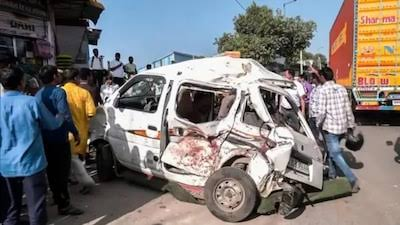
Actually, the real need for transplantation in India is estimated to be nearly half a million surgeries a year, according to a recent interview given by MOHAN Foundation founder and senior transplant surgeon Dr Suniel Shroff, compared to fewer than 20,000 that take place every year-a gap, in his words, that is colossal. Much of this is linked to brain-stem death certification: though the 50,000 plus patients who are medically compatible each year may potentially be suitable for donation, less than three per cent of the eligible deaths in intensive care are certified, and that results in 700-900 actual donations each year. Close to 1.73 lakh people are killed in Indian road accidents every year; that’s a lot of people whose deaths could be a boost to this shortfall, with quicker identification and family counselling.
Where donations do occur, they are strongly geographically localized. In 2023, over four-fifths of India’s deceased organ donors hailed from five states (Telangana, Tamil Nadu, Karnataka, Maharashtra, Gujarat), while several states and Union Territories, from the Northeast to Uttarakhand, Jharkhand, and Jammu & Kashmir, recorded zero deaths resulting in organ donation. There is a comparable gender tilt in living donation – for instance, NOTTO’s own 2021 data indicate that about three out of four living donors were female, while just under four in five recipients were male. Gujarat’s State Organ and Tissue Transplant Organization convenor, Dr. Pranjal Modi, attributes this to the patriarchal mindset, which views male members of the family as providers, discouraging other members of the family from accepting organs from them, even while expecting women to come forward for donation to them.
Such disparities have attracted the judiciary’s attention. In November 2025, while hearing a petition filed by the Indian Society of Organ Transplantation, the Supreme Court of India directed the Centre to come out with a national policy that should include model allocation criteria that specifically tackle caste and gender bias, while observing that around 90% of transplants are taking place in private hospitals where they are out of reach of the poor.
Certain structural problems are already being tackled. With The Centre’s One Nation One Policy approach eliminating domicile requirements, a ceiling on organ recipients of 65 years and user fees for procuring deceased organs, as well as Tamil Nadu’s hospitals being incentivised to hire transplant coordinators (a measure that helped raise donation rates manifold and which is cited as a benchmark for other states), the allocation of an Ayushman Bharat health benefit Package for kidney transplantation, coupled with the setting up of the Rashtriya Arogya Nidhi fund to support poorer patients, represents yet another step to bridge the affordability barrier which makes transplantation a realm accessible only to the rich and affluent. Throughout the world, the WHO has stated several times that its members should strive for self-sufficiency in organ transplantation, using domestic, voluntary donation, and has pointed out that what we do now is about one-tenth of the world’s need. For India to get there, it will not be about breaking last year’s records again, but about harnessing its vast untapped potential for brain-stem-death donation, as well as rectifying who in India really gives and who gets what.
Clear Cut Health Desk
New Delhi, UPDATED: August 09, 2026: 09:00 IST
Written By: Yatharth Pathak