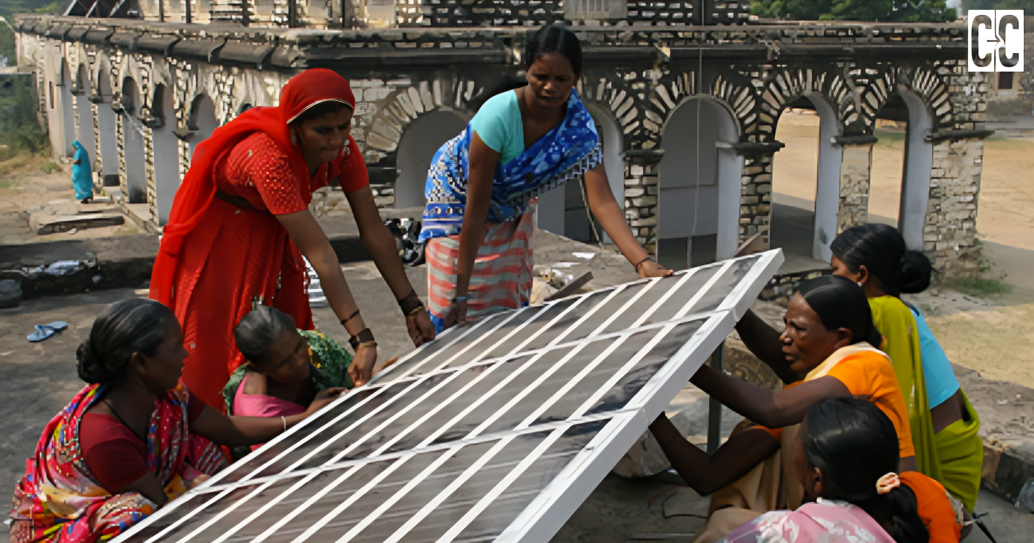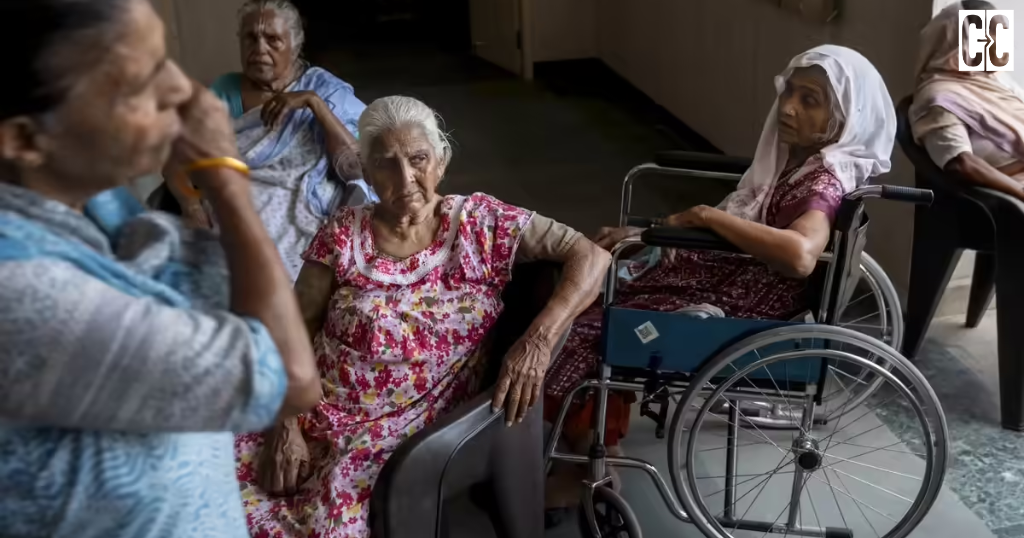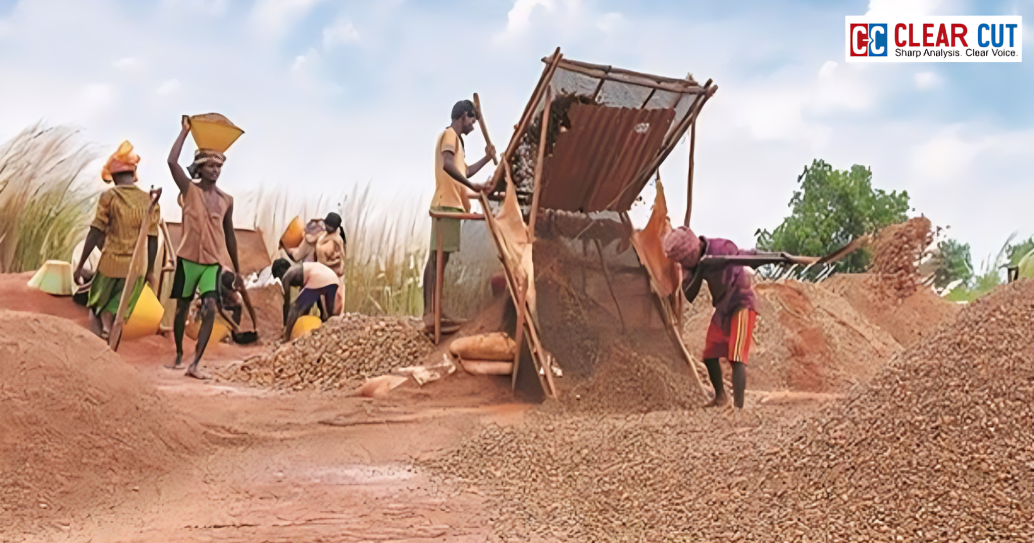
- India’s rural employment framework is shifting from MGNREGA to VB-GRAMG on July 1, 2026, with a total allocation exceeding ₹1.25 lakh crore to ensure continued employment and livelihood support across nearly 2.8 lakh Gram Panchayats.
- The government has emphasized that there should be no disruption in employment, wage payments, or workers’ rights during the transition, while 26 states have already completed the necessary budget preparations.
- The success of VB-GRAMG will ultimately be judged by whether rural workers continue receiving timely wages and uninterrupted work opportunities during the first months of implementation.
THE PROMISE INSIDE THE PAPERWORK
Bureaucratic transitions rarely make for compelling reading. Scheme names change, fund codes get reissued, ministries hold review meetings. Most of rural India never notices the difference. But on July 1, 2026, something genuinely consequential is scheduled to happen: India’s rural employment guarantee architecture, anchored for nearly two decades around MGNREGA, transitions into a new framework called Viksit Bharat. A guarantee for Rozgar aur Ajeevika Mission (Gramin), or VB-GRAMG.
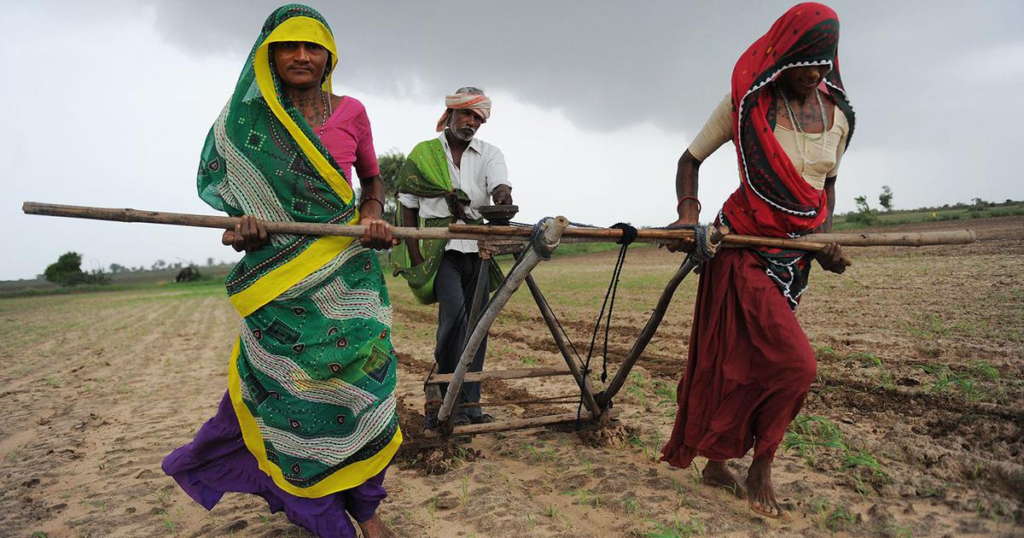
Union Minister for Rural Development and Agriculture Shivraj Singh Chouhan made one point unmistakably clear in a high-level video conference with State Rural Development Ministers: this is not an administrative footnote. It is, in his words, an issue ‘connected with the lives and livelihoods of crores of workers’ and the warning embedded in that framing is as important as the funding announcement itself.
| ₹1.25L+ Cr Total Interim Allocation | ~2.8 Lakh Gram Panchayats Covered | ₹30,000 Cr MGNREGA Allocation (Direct) | +40% Budget Growth vs Last Year |
WHERE THE MONEY IS ACTUALLY GOING
The headline figure breaks down into specific, traceable components. The Centre has allocated Rs 30,000 crore directly under MGNREGA, supplemented by a fresh interim allocation of Rs 95,692.31 crore released to states and Union Territories combined, a total exceeding Rs 1.25 lakh crore. Of this, Rs 1,850.62 crore is earmarked specifically for central administration and social audits, a quietly important line item, since audit capacity is what determines whether rural employment spending reaches actual workers or leaks away through inflated muster rolls and ghost beneficiaries.
According to the Ministry, no state has seen its allocation reduced under the new framework, and the overall rural development budget has grown by 40% compared to the previous year. The funds are intended to reach nearly 2.8 lakh Gram Panchayats across the country, with works selected through Gram Sabhas and Gram Panchayats. It is a deliberate retention of bottom-up project selection even as the funding architecture itself is restructured from the top.
“’Not a single worker should remain without work even for a day.’ That is the standard the minister set for the transition. Rural India will be watching to see if July 1 meets it.”
THE TRANSITION RISK NOBODY CAN IGNORE
Large-scale scheme transitions in Indian public administration have a documented history of disruption such as delayed wage payments, confused eligibility criteria and administrative gaps between the old system winding down and the new one becoming operational. Chouhan’s repeated emphasis during the ministerial meeting about ‘no disruption in employment generation, wage payments, or statutory rights’ reads as a direct acknowledgement of this risk.

26 states have already made the necessary budgetary provisions for the transition; 4 remain pending, according to the Ministry’s own account and have been urged to expedite the process. However that gap is small in headline terms, it represents millions of rural workers in those 4 states whose wage continuity now depends on administrative speed they do not control.
WHAT GENUINE ACCOUNTABILITY LOOKS LIKE HERE
A 40% budget increase and a Rs 1.25 lakh crore commitment are significant policy signals. But the real test of VB-GRAMG will not be visible in the allocation letter. It will be visible in wage payment timestamps during the first three months after July 1, 2026. The Ministry must publish a public, district-level dashboard tracking wage disbursal delays during the transition window, updated weekly, not quarterly.
Rural India has carried the burden of administrative transitions before, often silently, in missed wages and delayed payments that never make national news. If ‘Viksit Gaon’ — developed villages — is to mean something more than a slogan, the proof must be a transition that rural workers do not even notice happened, because their wages arrived on time regardless. That is the only metric that matters here.
Clear Cut Livelihood Desk
New Delhi, UPDATED: June 21, 2026 05:00 IST
Written By: Tanmay Urs