- Doctors’ Day highlights the stark healthcare divide in India, where rural communities continue to face doctor shortages, poor infrastructure, and limited medical facilities despite serving most of the population.
- The article examines the challenges faced by rural doctors, urban healthcare professionals, and NGO workers, emphasizing the need for stronger investment in rural healthcare and equitable access to medical services.
On Dr. Bidhan Chandra Roy’s birth anniversary, the data shows his founding question – who gets treated and where
Every year on July 1st, the country remembers the life of Dr. Bidhan Chandra Roy, National Doctors’ Day: Honoring Dr. Bidhan Chandra Roy and the Unsung Heroes Bridging India’s Health Divide, the legendary physician, freedom fighter, and politician born on this day in 1882, who died 80 years later on the same date. Bharat Ratna winner Roy was a pivotal figure who left a mark on the nation’s healthcare landscape. As the Chief Minister of West Bengal for an extended period, he was instrumental in establishing institutions such as AIIMS and emphasized the importance of health as a foundation for achieving freedom.
“Independence from the colonial rule will remain a dream until and unless the people of India are healthy and strong in mind and body,” he said once. Roy, whose life was dedicated to self-service, with a mantra of “Service to humanity is the best work of life”, continues to be a source of inspiration for many medical practitioners of today who face day-to-day challenges.
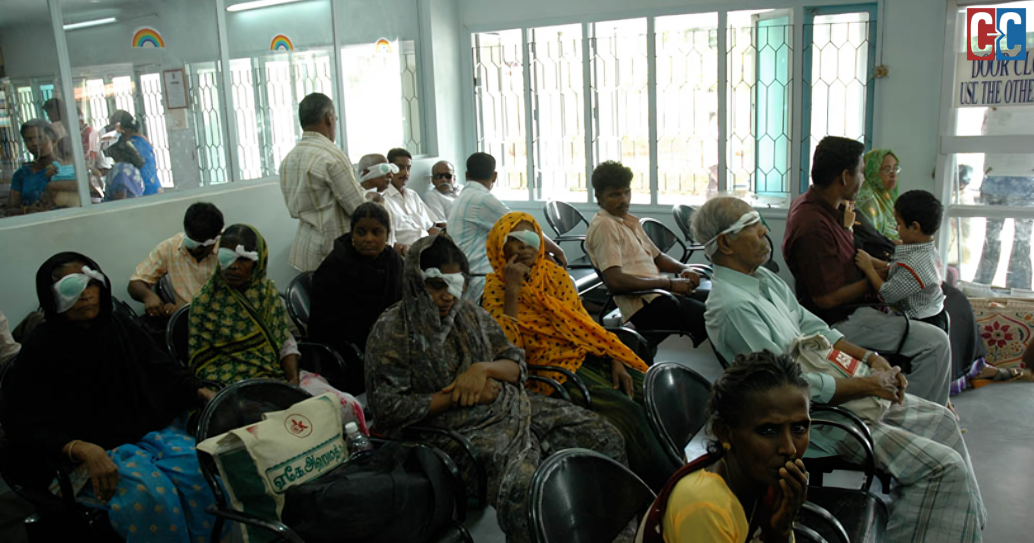
But amid all of this, the concern over one aspect of society comes sharply into focus: the disparity that has become synonymous with the lives of doctors who attend to millions in the country. In the metros, these professionals serve in modern hospital infrastructure and specialised care, but in our underdeveloped areas, many professionals have to perform miracles in the most isolated and resource-starved settings, creating a vacuum in the service delivery system that only magnifies inequality and the denial of basic dignity to people.
Rural Vs Urban Reality
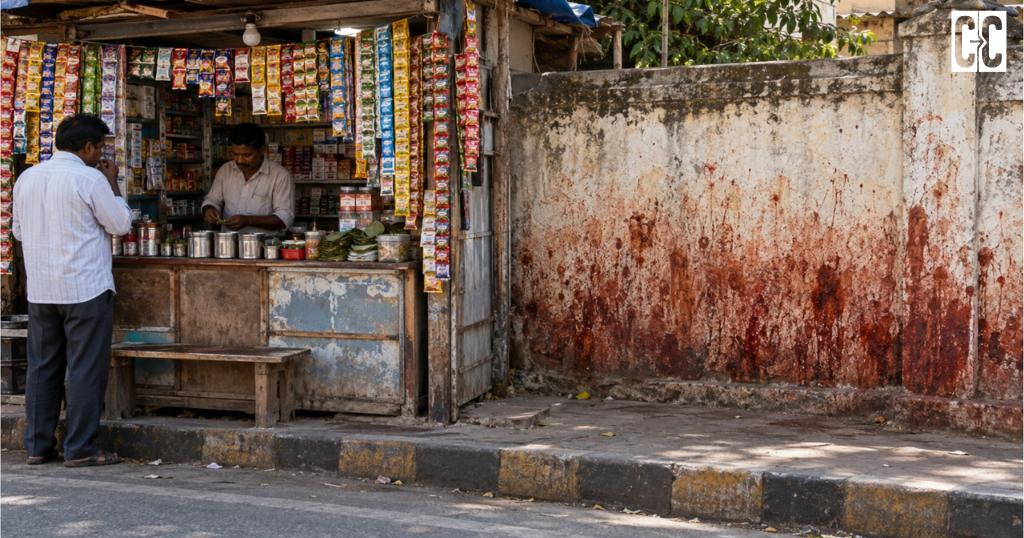
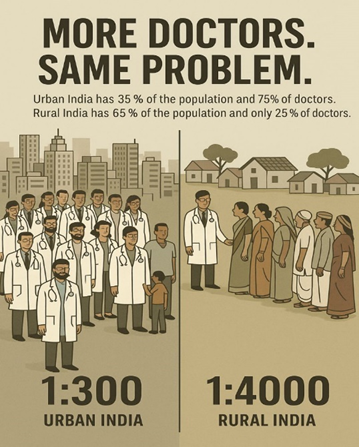
65-70% of India’s population resides in rural areas, and 34% of the country’s doctors’ practice there. In urban areas, the ratio of doctors is 4 times, with more resources and facilities, better salaries, and more opportunities. Poor facilities, infrastructure, networking, and family support have a greater impact in rural postings. It might seem easy to work in a rural area, but these locations also come with challenges such as limited facilities, poor connectivity, and bureaucratic constraints.
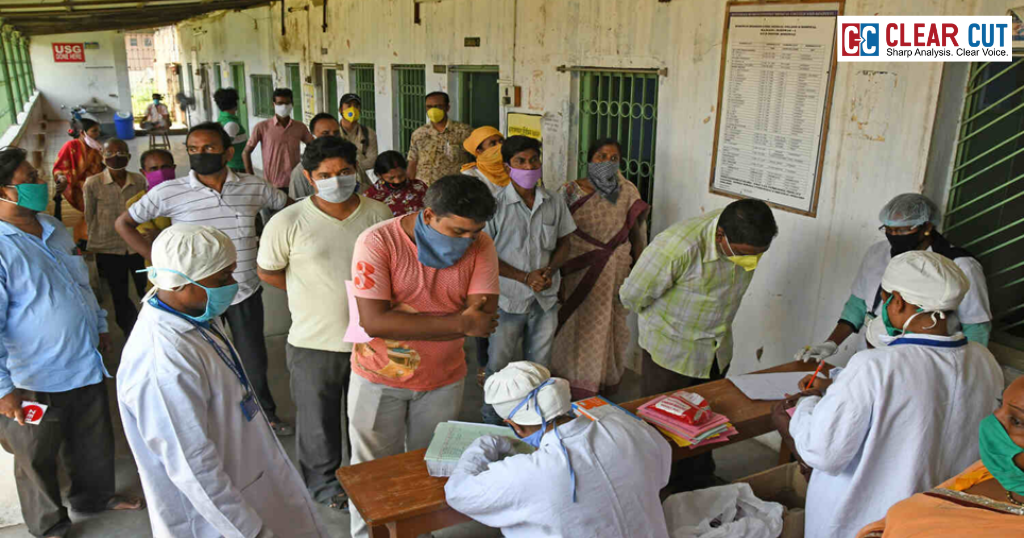
A young doctor in a rural area might also conduct deliveries and treat people bitten by the snakes. “You feel the burden of the whole population on your shoulders; in a city, you might consider the referral as an easier option,” shares one doctor working in rural Uttar Pradesh. “The kind of experience of saving life in a challenging situation is unparalleled, but at the same time, loneliness, stress, and strain can take you down. Most of the young doctors leave rural service shortly after their mandatory period of service is over.”
On the other hand, in urban areas, they have to handle a high patient volume per day, long working hours, high population density, and intense competition. Though they have access to advanced diagnostic technology and the opportunity to work in a group, they are also subject to burnout and high stress levels due to administrative and business-related pressures. The experience of working in a rural area is very different from that in an urban area; whereas a rural doctor acts as a village backbone, a rural doctor might be a specialist and have more opportunities.
Challenges in NGOs
In regions like Bihar or in the tribal belt of India, NGOs offer a complete HIV care or maternal care program where government facilities are non-existent. “The financial risk involved with NGOs is high, especially when working in conflict-ridden areas. In tribal belts where you can see such levels of poverty, seeing a child recover from malnutrition is an achievement, but to see that child slip again in the system is frustrating. In these settings, we have limited budgets and have to be innovative. The staff often experience burnout,” says a doctor with long years of experience in the NGO sector, who works for rural health camps. For such volunteers as Roy, the fight is to carry on against all odds. The North East and the tribal belts of Central India are examples of regional areas that, due to harsh terrain and a lack of infrastructure, face linguistic and cultural constraints as well. Doctors have served as mediators between cultures and communities in some areas where official intervention has historically been met with distrust.
India and Beyond: A Shared Global Story
The strain is both ways, of course. The same exhaustion felt by rural doctors seems different from that of urban doctors. Dr.Prachee Sath, a critical care specialist in Pune, has to start a second home shift after finishing a full day at the hospital, a workload that means “We don’t have much time for ourselves,” as the Doctor’s Day theme rightly points out.
The rural divide isn’t just an Indian issue, but a global one as well. For example, US rural areas have 100,000 people, compared to 263 in urban areas, almost similar to India’s proportional imbalance, and the number of family doctors in the US decreased 11 percent in rural regions between 2017 and 2023. Over 60% of the world’s rural population resides in Asia–Pacific nations, with over 90% in low- to middle-income groups that share common problems of low pay, isolation, and poor infrastructure. NGOs often try to bridge the gap through initiatives such as Smile Foundation’s mobile health vans in marginalized districts. Yet these remain and continue to rely on donor funding rather than government spending, leaving health workers uncertain compared to other public services. So, this gap is the real challenge, honouring doctor’s in day to daily life is normal but tackling a shortage that has been growing for 20 years despite increasing seats requires political motive investment in existing rural infrastructure, not just building a new college, Dr. Roy made his name building hospitals in Bengal most remote regions so the citizen’s there could actually have access to healthcare facilities. That is still half of his birthday wish to complete.
Clear Cut Health Desk
New Delhi, UPDATED: July 03, 2026 17:50 IST
Written By: Yatharth Pathak