

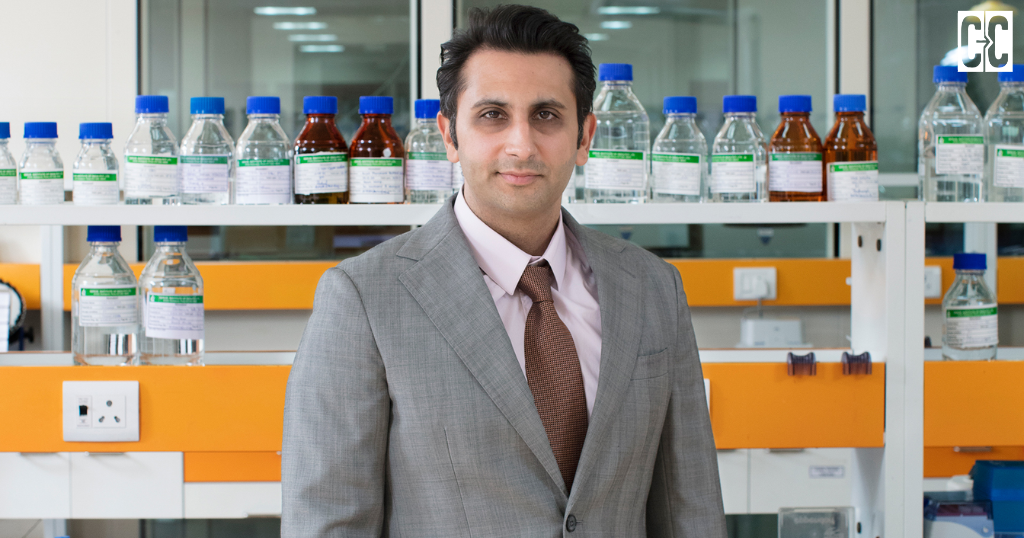
- Adar Poonawalla and Serum Institute of India built a global vaccine manufacturing model focused on affordability, quality and large-scale access.
- The Poonawalla family’s philanthropy extends beyond vaccines to education, healthcare, sanitation and rural medical support.
- His pandemic preparedness treaty proposal highlighted the need for stronger global systems for future health emergencies.
Whenever historians look back at India’s fight against COVID-19 through the lens of its vaccination drive, two words will likely stand out: rate and price. By June 2021, the Serum Institute of India, under CEO Adar Poonawalla, with the ability to export 280 million+ doses of its vaccine, Covishield, to 70 countries in that single month, charged an amount that made it the world’s least expensive COVID vaccine. The decade just before and after this instance, Mr Poonawalla spent doing something quiet but determined. He created and cultivated a model in which price affordability was integrated into the fundamental architecture of a globally scaled for-profit business; it is the philanthropy now emerging around it that makes the story of the Poonawallas’ social legacy about far more than a pandemic’s brief passage.
From 35 Countries to 170: The reach that built the case
When Adar Poonawalla took over as CEO of Serum Institute in 2011, the company supplied vaccines to 35 countries. By the time of the COVID response, it was supplying to over 170, having secured WHO prequalification. This allowed a permit to supply to UNICEF, PAHO and other global health procurement agencies. Serum Institute now claims to protect approximately 65% of the world’s children with at least one of its vaccines. The commercial logic is to make vaccines affordable enough for governments of low-income countries to buy them through international agencies. This vision generates a volume that sustains the manufacturing operation of this scale. This would, in turn, allow further price reduction.
The Villoo Poonawalla Charitable Foundation
The family’s institutional philanthropy runs through the Villoo Poonawalla Charitable Foundation, named after Adar’s late mother. Today, the foundation operates eight schools in and around Pune, where Serum Institute is headquartered, educating over 10,000 children. The charitable Villoo Poonawalla Memorial Hospital provides healthcare to surrounding communities. Mobile Medical Units run free primary healthcare camps for rural communities in the area, and the foundation supplies free or subsidised vaccines to patients outside the commercial supply chain. Leprosy patient rehabilitation is another active programme, one of the less visible commitments that runs well outside the vaccine headline.
A treaty nobody has yet signed.
At Davos in 2022, Poonawalla circulated a draft pandemic preparedness treaty that addressed the systemic failures of the COVID response. He saw restricted raw material flows, intellectual property barriers to generic production, mismatched global regulatory standards, and no mechanism for equitable travel certification. None of these recommendations has yet been fully incorporated into international health law. The draft remains a precise statement of what a manufacturer who actually had to produce at pandemic scale identified as the bottlenecks. He is also a former board member of GAVI, the Vaccine Alliance, which has helped vaccinate close to half the world’s children against preventable diseases.
The Adar Poonawalla Clean City Initiative
In addition to vaccine development and education programs, the Poonawalla family has also financially supported a waste management and urban sanitation program called Adar Poonawalla Clean City Initiative across various Indian cities. This initiative partners with municipal corporations to address the collection and disposal of solid waste and the cleanup of public sanitation facilities. Though this is the less visible project, it signifies a common thread in the family’s philanthropic activities: seeking to create environmentally and infrastructurally favourable conditions in which people can maintain their health, rather than focusing only on how people get sick.
The Way Forward
What has had the biggest global health impact from the Serum Institute isn’t one vaccine; it has been proven that it is possible to deliver relatively inexpensive but extremely high-quality vaccine manufacturing at volume if you focus on market size rather than a premium. This proved to the public sector (governments) and to global health organisations that what they thought was achievable in global health was possible, and put competitive pressure on every other vaccine manufacturer on the planet. That the treaty, for pandemic vaccines proposed by Mr Poonawalla, never adopted and never actioned should be treated as the policy statement that it is in fact-structural reform that the next pandemic is desperate for and that the health ministers and those present around the global health negotiating table can start implementing now, in the peace-between-pandemics interim years as they try and not do anything while waiting for the next emergency.
Clear Cut CSR Desk
New Delhi, UPDATED: September 10, 2026 15:39 IST
Written By: Tanmay J. Urs
