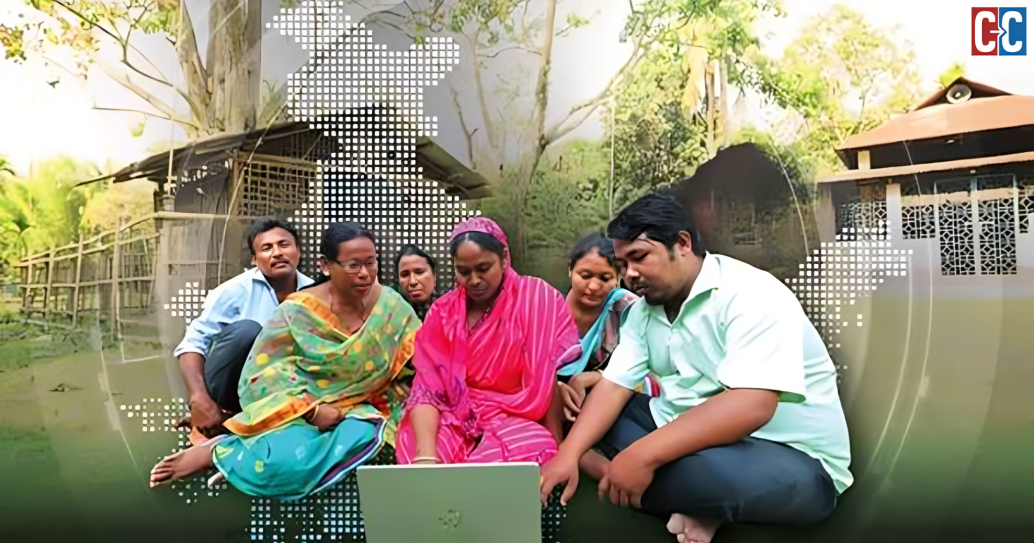


A new drive is underway to transform healthcare across Africa. The Bill & Melinda Gates Foundation and OpenAI have unveiled a major $50 million initiative aimed at bringing advanced artificial intelligence tools to clinics in several African countries. The effort, named Horizon1000, plans to improve health services for millions by 2028.
The announcement came at the World Economic Forum (WEF) meeting in Davos, Switzerland on January 21, 2026. Bill Gates, co-chair of the Gates Foundation, stressed that AI could be “a game-changer” for health systems that lack doctors and nurses.
Aiming for 1,000 Clinics by 2028
Horizon1000 is structured to roll out AI support in 1,000 primary healthcare clinics and surrounding communities across Africa by 2028. The project will start in Rwanda, where an AI health hub already exists.
“In poorer countries with enormous health worker shortages and weak systems, AI can be a game-changer in expanding access to quality care,” Gates said in a blog post announcing the launch.
Rwanda’s Minister of Information, Communication and Technology and Innovation, Paula Ingabire, said the country has long pursued digital solutions for health. She described the collaboration as a “transformative opportunity for better care.”
Addressing Health Worker Shortages
Sub-Saharan Africa carries some of the world’s largest gaps in healthcare staffing, with an estimated shortfall of nearly 6 million health workers. This severe shortage affects maternal health, chronic disease care and routine outpatient services.
Gates highlighted that AI tools can ease the burden on stretched staff. These systems could help with everyday tasks like administrative paperwork, patient record access and early symptom guidance. “A typical visit,” he said, “can be about twice as fast and much better quality.”
Focus on Maternal and HIV Care
In interviews with Reuters and other outlets, Gates said initial efforts are likely to focus on maternal health and HIV care. AI support could guide patients before they reach clinics and help bridge language barriers between patients and providers.
Experts emphasize these areas because women and children often face the greatest gaps in timely care. Reducing delays and errors in maternal services could have a direct impact on mortality rates across regions.
Responding to Aid Cuts and Health Crises
The initiative comes at a time when international development aid for health has declined sharply. The Gates Foundation reported that global health assistance fell nearly 27% in 2025 compared with 2024 after major donors cut funding. Gates linked this drop to the first rise in preventable child deaths in decades.
“Using innovation, using AI, I think we can get back on track,” Gates told Health Policy Watch, stressing that innovation must reach poorer nations as fast as richer ones.
Balancing Promise with Caution
While AI could boost productivity and decision-making, experts caution that there are challenges. Language barriers, data privacy concerns and the need to adapt systems to local cultures remain critical. In Rwanda, for example, most AI tools operate in English, a language not widely spoken outside urban centers.
Advocates say that developing AI in local languages like Kinyarwanda will be key to broad adoption and real impact.
A Step Toward a Tech-Enabled Future
OpenAI CEO Sam Altman described Horizon1000 as a model for how AI can directly help communities. “AI is going to be a scientific marvel,” Altman said in a press release, “but for it to be a societal marvel, we’ve got to use it to improve people’s lives.”
As the program expands beyond Rwanda to other nations like Kenya, South Africa and Nigeria, Horizon1000 could set a new standard for how advanced technology tackles entrenched global health challenges.
Clear Cut CSR Desk
New Delhi, UPDATED: Dec 27, 2025 01:00 IST
Written By: Ayushman Meena