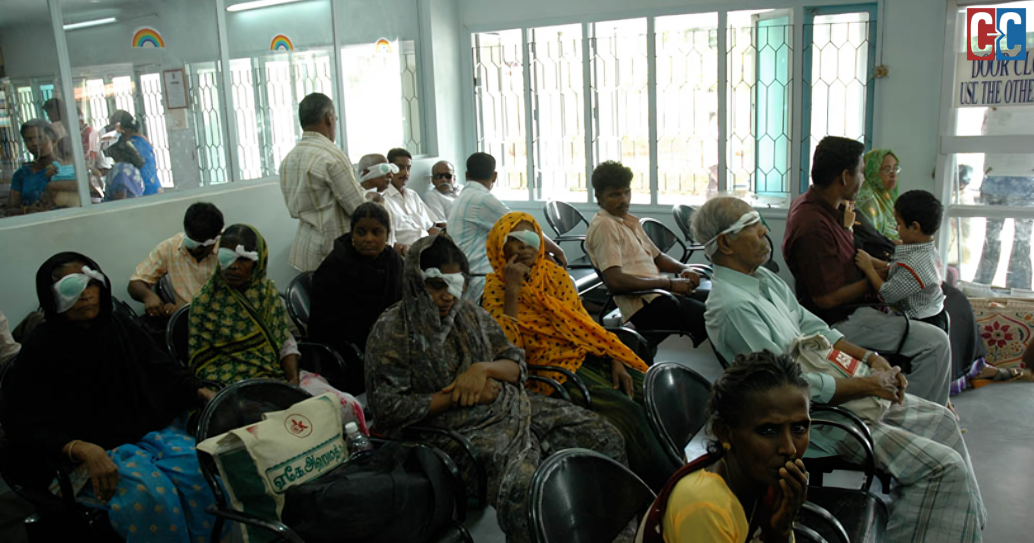
The estimate is for 2023. India had nearly 148 million chewing-tobacco users that year—about six in ten users worldwide
India carries about 65% of the estimated global death toll
An estimated 1.63 lakh Indians died from diseases, which is attributable to chewing tobacco in 2023. That amounts to roughly 450 deaths a day. India accounted for about 65% of the estimated global total—calculations from the study’s reported figures.
The analysis in The Lancet Global Health estimates that India had 105 million male and 42.9 million female chewing-tobacco users. Together, that means nearly 148 million people, or about six in ten users worldwide.
The harm extends beyond oral cancer. Globally, stroke contributed the largest estimated loss of healthy life attributable to chewing tobacco. Lip and oral cavity cancer followed. The authors rate the underlying evidence for these associations as moderate or weak; their stroke assessment drew on only three studies.
These figures describe modelled health burdens. They do not represent individual death certificates that identified chewing tobacco as the cause.
Little change in prevalence, a growing health burden
Worldwide, researchers estimated 241 million chewing-tobacco users, 251,000 attributable deaths and 6.48 million disability-adjusted life-years in 2023. This last measure combines years lost to premature death with years lived with disability.
The study’s central concern lies in the trend. After accounting for differences in population age, the researchers found little change in global prevalence over three decades. Meanwhile, the absolute burden of associated death and disability grew.
A stable prevalence rate can coexist with more users and greater health loss as populations grow and age. The findings raise questions about the reach of tobacco-control efforts. They do not establish the effectiveness of any individual Indian programme.
How the Researchers made the Estimates
The analysis forms part of the Global Burden of Disease Study 2023. The researchers estimated chewing-tobacco use and its associated health burden among people aged 15 and above in 204 countries and territories, for every year from 1990 to 2023.
Researchers combined 799 existing surveys. They adjusted differences in how surveys measured smokeless tobacco and used statistical models to estimate chewing-tobacco use. They then combined exposure estimates with disease-risk evidence to calculate attributable health loss.
The estimates carry substantial uncertainty. The global user count, for example, has a 95% uncertainty interval of 165 million to 355 million. Self-reported use, varying survey questions and differences between products also limit precision. (p. 1, Findings, para. 1; pp. 12–13, limitations, paragraph beginning “This study has several limitations…”)
From a traded crop to an everyday habit
Tobacco originated in the Americas. Portuguese traders introduced it to India around the early seventeenth century. Over time, tobacco entered local consumption practices, including chewing preparations. The government’s monograph, Smokeless Tobacco and Public Health in India, documents this history.
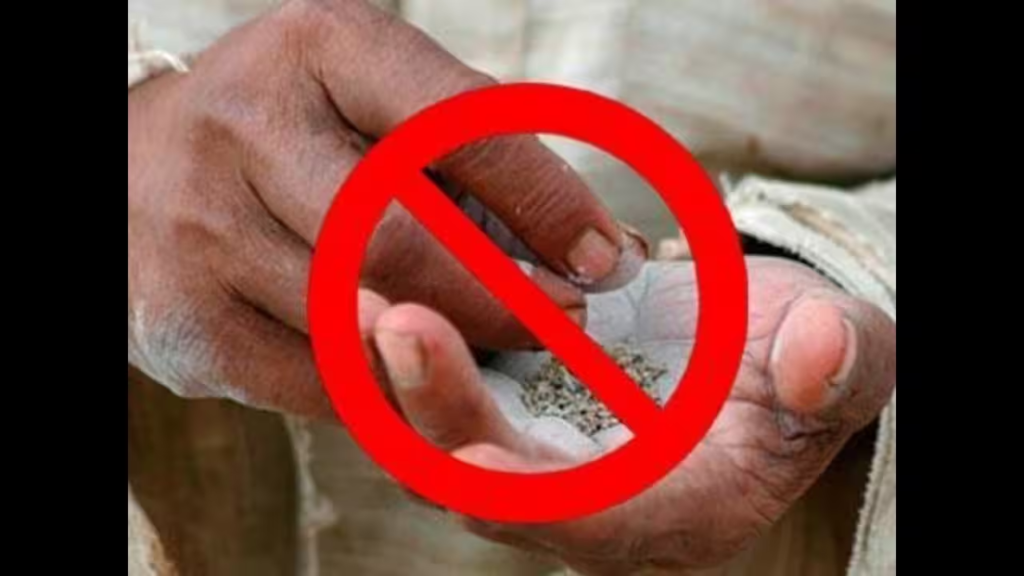
In India, people use smokeless tobacco in several forms, including khaini, zarda and gutkha, or add it to paan. The ingredients and preparation vary from one product to another. Snuff, which users inhale through the nose, also falls under smokeless tobacco.
Commercial branding added another layer. DS Group dates the launch of its BABA tobacco brand to 1958. Packaged products and small sachets subsequently made purchase and consumption convenient.
The Lancet authors identify cultural normalisation as an obstacle in South Asia. They argue that deep-rooted traditions encourage acceptance, and users might not respond to health warnings or advertising prohibitions.
Men versus women, and the importance of age
India’s estimated male user count was more than twice its female count in 2023. The study attributed approximately 104,000 deaths among Indian men and 59,400 among women to chewing tobacco.
Yet the female burden remains substantial. The authors note that some South Asian settings accept women’s chewing-tobacco use more readily than smoking. They also identified 32 countries where female rates of attributable health loss exceeded male rates.
Globally, chewing tobacco use was highest among people aged 60–64. Efforts to discourage young people from starting therefore need to go hand in hand with support for older people who want to quit.
India’s GATS 2016–17 survey found that 78.5% of men who used smokeless tobacco noticed warnings on packs, as compared to 54.7% of women. These older survey figures cover smokeless tobacco as a whole, while the Lancet study estimates chewing-tobacco use specifically
India’s smokeless tobacco market and established brands
Commercial estimates provide additional context, but product definitions require care.
IMARC estimates that India’s smokeless-tobacco market reached US$726.1 million in 2025. Its category includes chewing tobacco, dipping tobacco, dissolvable tobacco and snuff. The figure therefore cannot serve as a chewing-tobacco-only market estimate. The public summary provides limited methodological detail for assessing its coverage.
Euromonitor describes a fragmented market and identifies DS Group and Shree Meenakshi Food Products as major companies within its reporting category.
Among established branded chewing-tobacco products, DS Group markets BABA and Tulsi. Its product pages identify both within its tobacco portfolio. These examples do not constitute an independently verified ranking of India’s leading brands.
Tobacco-free pan masala, tobacco-containing gutkha and chewing tobacco describe different products. Combining their market values would distort the size of the business.
Tobacco-control laws meet gaps in enforcement
India’s Cigarettes and Other Tobacco Products Act, 2003 —COTPA—restricts tobacco advertising, promotion and sponsorship. It also restricts sales involving minors and prohibits sales within 100 yards of educational institutions. The law does not ban every tobacco product.
The Food Safety and Standards Regulations, 2011 prohibit tobacco and nicotine as food ingredients. Packaging rules also require health warnings covering at least 85% of the overall display / packaging area.
The Lancet paper describes how alternative sales formats undermine restrictions. One example involves “twin packets”: separate tobacco and spice mixtures that consumers combine. The authors also cite frequent packaging and labelling violations in India, Bangladesh and Pakistan.
Industry interference, adapted sales strategies and inconsistent enforcement help products remain available and affordable, the authors argue.
Behaviour change communication must connect awareness with support
Behaviour change communication, or BCC, can help users understand harm, question familiar practices and seek assistance to quit.
India’s evidence suggests that warnings can prompt reflection. GATS 2016–17 found that 46.2% of current smokeless-tobacco users thought about quitting because of package warnings, compared with 33.8% in 2009–10. That measures consideration of quitting, rather than successful cessation.
The lower warning exposure among women points to a specific gap. Programmes need to investigate which products and communication channels women encounter, then adapt their approach.
The findings also support testing messages about cardiovascular harm alongside oral cancer, with careful explanation of the evidence. Stroke contributed the largest estimated health loss in the analysis.
The study did not test these approaches. Tobacco-control programmes could use them to help people get counselling and continued support as they try to quit. India already offers cessation services and the national tobacco quitline, 1800-11-2356. Evaluation should track quit attempts and sustained abstinence alongside message reach.
What the researchers recommend as next step
The researchers suggest that countries focus on how people use chewing tobacco locally, including differences between men and women and across age groups.
They recommend discouraging young people from starting and offering help to older users who want to quit. They also call for chewing-tobacco control to become part of national efforts to tackle non-communicable diseases.
Further research must clarify differences between products and strengthen evidence on their health consequences.
For India, the findings support closer coordination between enforcement, communication and cessation services. The research estimates may change as evidence improves. India’s exceptional share of the current estimated burden gives that work urgency.
Clear Cut Health Desk
New Delhi, UPDATED: October 05, 2026 15:00 IST
Written By: Paresh Kumar
[The author serves as the Managing Editor of Clear Cut & CEO of Dev Insights]