
The 2026 ECOSOC Financing for Development Forum highlighted the growing $4 trillion SDG financing gap but failed to secure real financial commitments. Despite urgent discussions, the outcome remained largely symbolic, with little impact on closing the gap.
What Actually Happened
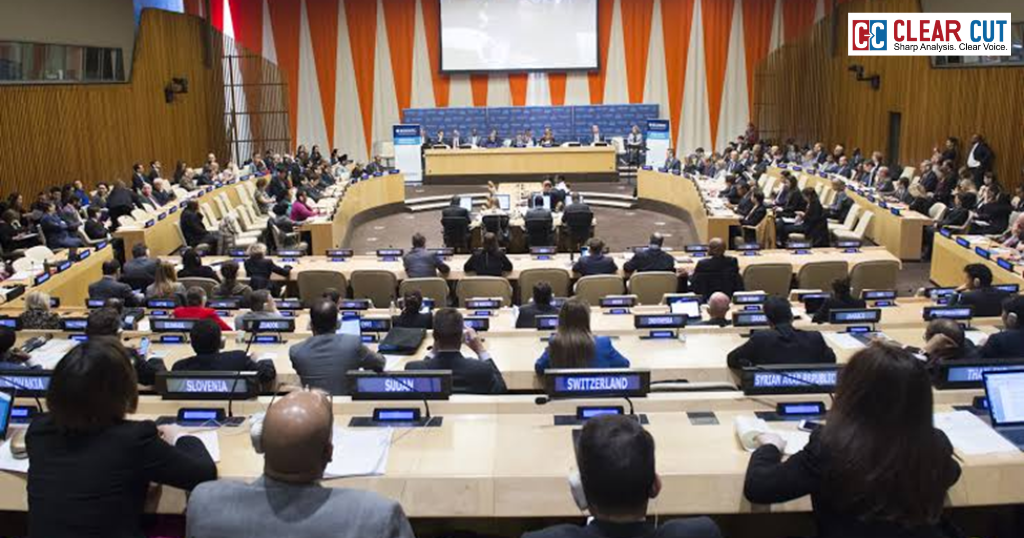
The ECOSOC Financing for Development Forum wrapped up in New York this week, and honestly, it played out as expected. There were long negotiations to produce the outcome document, ministers and heads of state spoke, and everyone attended panels on debt, climate finance, and domestic resource mobilization. In the end, delegates left with a communiqué full of agreeable language, but little that’s actually binding. This isn’t just a critique of this particular forum — it’s the way these meetings have run for decades. And, yes, that matters more now than ever because things feel pretty urgent.

At the start, Under-Secretary-General Li Junhua launched the UN’s 2026 Financing for Sustainable Development Report, declaring, “the financing gap is widening.” Right now, we’re short $4 trillion every year to deliver the SDGs, according to that report. Aid is shrinking, private capital isn’t stepping up, and countries graduating from Least Developed status, like Bangladesh, are losing access to favorable finance right when things are getting tighter. Bangladesh’s Permanent Representative, Salahuddin Noman Chowdhury, called for “urgent global action to narrow the widening SDG financing gap and build a fair, inclusive financial system.” Still, after all the discussions, the gap persists.
Why These Forums Don’t Bridge the Gap
Here’s the simple truth: these financing forums don’t unlock actual money — they create diplomatic language. The wealthier countries, the G7 and G20, send finance ministry officials who don’t have the power to make new binding commitments on the spot. Most commitments just repeat old pledges, many still unfulfilled. Take the Sevilla Commitment from the FFD4 Summit in 2025 — it offered a framework, but the 2026 report confirms it’s not being adopted widely or quickly enough.
Meanwhile, over at the World Bank’s Spring Meetings (which ran alongside the forum), the same issues showed up, just packaged in institutional jargon. The Bank announced a reorganization, promising borrowing countries what one Devex article called “a bit of agency.”
Frankly, that phrase says a lot about how far the system has drifted from its supposed focus on country ownership and real partnerships. People discussed alternatives: pooled philanthropic funds, mobilizing domestic institutional capital, and multilateral bank de-risking tools. Nidhi Sahni from Bridgespan Group said pooled funding models could “help unlock more giving by reducing risk, accelerating decision-making, and aligning philanthropy with governments to support systems at scale.” Useful, sure. But let’s be honest, it’s nowhere near the sovereign development finance needed to close the SDG gap.
The Real Cost of Ending With Just Words
This week’s release of the 2026 Global Social Progress Index by the Social Progress Imperative paints a sobering picture: across 171 countries, personal rights are down nearly 6 points since 2011, and health, safety, and environmental quality are all on the decline. In their words, “The world is at a turning point, where the steady improvement in quality of life of recent decades may be going into reverse.” In part, this forum aimed to marshal the cash needed to prevent that slide. But the outcome document will get filed away, the gap will stick around, and the people caught in it will keep struggling.
Now, this isn’t an argument to stop holding these forums altogether. Over time, frameworks and agreements forged in these meetings do matter — just look at what happened with Human Rights or the MDGs. But it’s important to be honest about what gets done and what doesn’t, and not let institutions pretend a communiqué is the same thing as real action.
Bottom Line
This year’s ECOSOC Financing for Development Forum diagnosed the problem accurately and produced urgent-sounding language, but raised little actual money. The $4 trillion SDG financing gap is wider now than it was at the close of last year’s FFD4 summit in Sevilla. That’s how these forums should be judged — not by how polished their documents are, but by whether they shrink the gap they’re supposed to fill.
Clear Cut Research Desk
New Delhi, UPDATED: April 29, 2026 04:30 IST
Written By: Jay