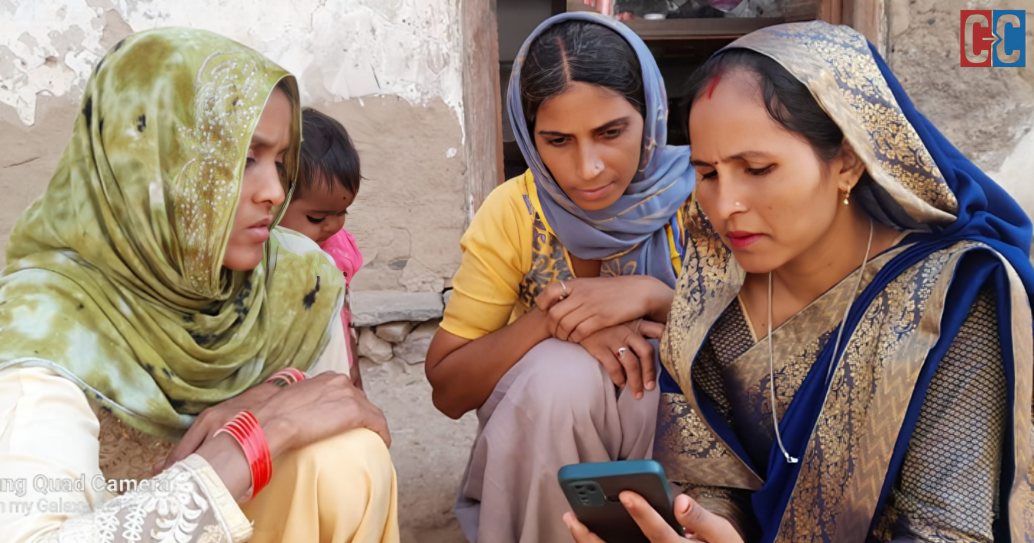

- Gender-based violence (GBV) remains a major challenge in India, affecting millions of women through domestic abuse, sexual violence, cyber harassment, trafficking, and discrimination despite stronger laws and awareness efforts.
- NCRB 2023 and NFHS-5 data highlight the scale of the problem, showing high rates of crimes against women and low reporting due to stigma, fear, and limited access to justice.
- Ending GBV requires stronger law enforcement, gender-sensitive education, economic empowerment, safer digital spaces, and collective action from families, communities, institutions, and policymakers.
The problem of Gender-Based Violence (GBV) does not only exist in terms of newspapers and crimes. Still, it is an ever-existing societal problem affecting countless women and girls in India, daily in different environments, from the house to school, workplace, public transport, and even online space. Although India has made considerable efforts in terms of passing new laws, raising awareness, and creating institutional reforms, GBV based on unequal power dynamics remains a serious threat to the safety, dignity, health, and economic empowerment of women.
According to NFHS-5 (2019-21), about 29% of women who were ever married at ages 18-49 reported experiencing some form of physical, sexual, or emotional Violence from their spouse. Still, only a few victims reach out to police, health care workers, and lawyers to seek assistance. Social stigma, dependency, shame for the honor of the family, and mistrust in the system become important issues in such cases.
Gender-based Violence goes beyond physical Violence because it includes emotional, psychological abuse, sexual assault, stalking, cyberbullying, economic Violence, forced marriage, trafficking, and restricting behaviors that limit the freedom of women. Such kinds of Violence cannot be recognized since they take place within intimate relations.
The analysis of crime statistics seems even more worrying. According to the Crime in India Report 2023 released by the National Crime Records Bureau (NCRB), 4.4 lakh crimes have been committed against women within one year. The most prevalent crimes against women in India remain ‘Cruelty by Husband or Relatives’, with the next ones being ‘Assault on Women with Intent to Outrage Modesty’, ‘Kidnapping & Abduction’, ‘Rape’, and Internet or technological crimes.
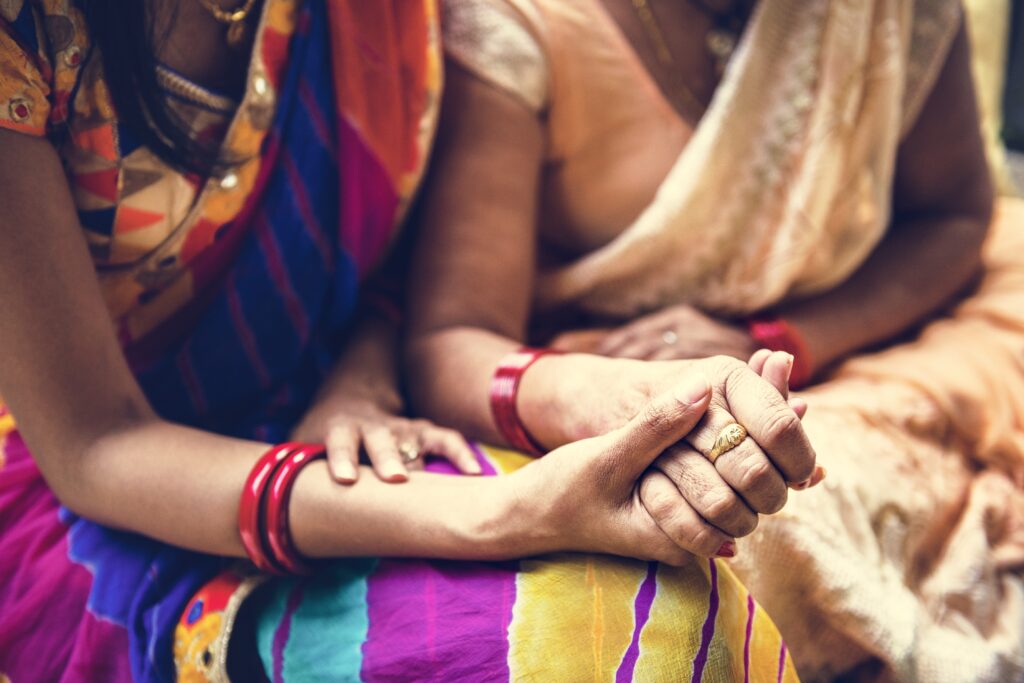
The consequences of GBV can be severe and long-lasting. GBV victims are at risk of developing anxiety disorders, depression, various health problems, disruptions in education, limited job opportunities, and poor economic stability. In addition to that, children exposed to GBV within the family setting can experience mental trauma and develop unhealthy gender norms, which will perpetuate the cycle of Violence. Therefore, GBV should not be seen only as an issue for women but also as a matter of public health, human rights, and development.
Some populations are at a higher risk than others. Poorer families, people belonging to Scheduled Caste/Scheduled Tribe populations, members of religious minority communities, people living with disabilities, migrants, and the LGBTQIA+ community usually suffer from multiple layers of discrimination that make them vulnerable to GBV while also restricting their access to justice and other services.
There have been added dimensions that technology has brought with it to GBV. There is the emergence of online harassment, image-based sexual abuse, cyber stalking, identity fraud, and non-consensual dissemination of personal content. Teenage and young women are particularly affected by digital Violence, which affects not only their mental well-being but also their education, as well as their ability to use online platforms. With the fast-growing digital space in India, ensuring that women are safe in the virtual environment is becoming as necessary as ensuring their safety in the physical environment.

The country has put in place an important legal framework to address GBV. These include various laws like the Protection of Women from Domestic Violence Act 2005, the Sexual Harassment of Women at Workplace (Prevention, Prohibition and Redressal) Act, 2013, and other amendments in the criminal laws after the 2012 Delhi Gang Rape case. The government has also set up programs such as the One Stop Center Scheme, the 181 Women Helpline, the Beti Bachao Beti Padhao, and the Nirbhaya Fund, among others, to enhance survivor services, safety infrastructure, and gender awareness.
Elimination of gender-related Violence goes beyond legislation. It calls for attitude changes that start at the family and community levels. Young boys and men must be involved as partners in building a culture of respect, equality, and non-violence. There should be gender-focused education in schools starting from childhood ages. In addition, workplaces should have reporting channels that ensure zero tolerance for harassment. Collaboration among community leaders, civil society, health practitioners, and the police is key to creating environments where victims can receive assistance without being blamed or retaliated against.
Another important factor in ending Violence against women is the economic empowerment of women. The findings of various studies indicate that access to education, money, and jobs increases women’s chances of negotiating safer marriages and seeking assistance when needed. As such, increased access to education, training, and financial inclusion is critical in preventing Violence rather than reacting to it. Gender-based Violence cannot be considered a social phenomenon beyond control. Each figure is behind an individual whose rights, dreams, and sense of safety have been violated. India has proved itself capable of social change in many other fields; tackling GBV calls for no less determination. Robust institutions, gender-sensitive policies, active community participation, and small-scale defiance of discrimination can all go a long way toward creating safe environments for women and girls. Speaking out is just a beginning. Constructing such a society in which no woman fears Violence, intimidation, and discrimination should always be our goal.
Clear Cut Gender Desk
New Delhi, UPDATED: July 08, 2026 03:50 IST
Written By: Mohita Bansal
Designation: Assistant Manager – MLE at Devinsights