
Explosion in a Residential Area
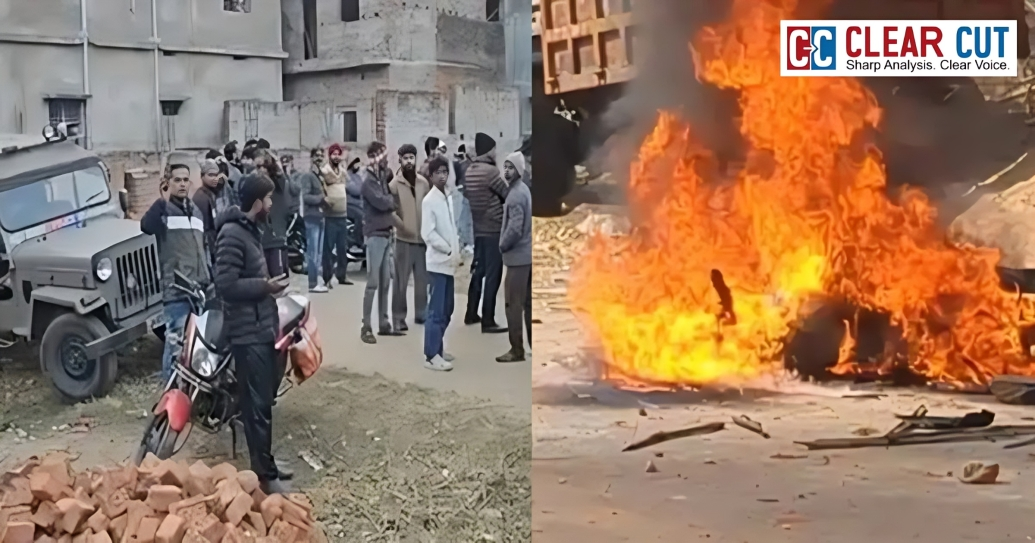
A powerful explosion in Habib Nagar, Hazaribagh district of Jharkhand, killed at least three people and injured two others on the evening of 14 January 2026, police officials said. The victims have been identified as Mohammad Saddam, his wife Nanhi Parveen, and Rasheeda Parveen, a neighbour present at the scene. The blast occurred around 5 pm while local residents were clearing bushes on a vacant plot near their homes, triggering panic and fear across the densely populated locality.
Emergency services, including police and medical teams from Sadar Hospital, reached the site soon after the incident. Two people were declared dead on arrival, and one critically injured woman later succumbed to her wounds in hospital. The cause of the explosion remains unclear and is being probed from all angles by investigators.
Immediate Aftermath and Rescue Operations
The blast’s intensity echoed across Habib Nagar and surrounding neighbourhoods, drawing crowds and prompting an urgent response from law enforcement. Police immediately cordoned off the area and called in a team from the State Forensic Science Laboratory (FSL) to collect evidence and analyse the scene.
Two other individuals sustained injuries; they were taken to Sadar Hospital in Hazaribagh, where medical teams provided treatment. The local administration also deployed additional security forces as a precautionary measure to maintain order and safety within the community. Residents were urged to remain calm as the investigation continued.
Uncertain Causes and Ongoing Investigation
Police have not yet confirmed the exact cause or nature of the explosion. Early reports suggest that the blast may have been triggered by an underground explosive device or a sudden detonation of an unknown substance while clearing the plot. Authorities have not ruled out any possibility, including accidental ignition of hidden material or remnants of explosive substances in the area.
Forensic teams are conducting a thorough examination of debris, soil samples, and surrounding structures to determine whether the blast resulted from stored explosive material, a malfunctioning object, or other factors. Officials said the full circumstances will emerge gradually as experts complete their analysis and compile findings from interviews with witnesses.
Impact on the Local Community
The explosion shattered the ordinary rhythm of life in Habib Nagar, a locality where families live and work closely together. Neighbours described hearing a sudden, loud blast that sent shockwaves through homes and businesses, rattling windows and sparking fear among residents.
Loss of life in such incidents is not only a personal tragedy for the families affected but also a source of collective trauma for the community. Villagers and residents grapple with grief and uncertainty while trying to resume normal life. Unplanned disasters in residential areas can elevate long-term anxiety about safety and security, particularly when the cause remains a mystery.
Wider Safety and Urban Risk Context
Explosions in civilian areas raise broader concerns about public safety, hazard awareness, and preventive preparedness. Jharkhand, like many other regions, faces periodic risks from accidental explosions, remnants of past conflicts, or unsafe storage of materials in open plots. Previous incidents in India, such as fireworks factory disasters, have underscored the need for strict regulation of explosive materials near populated districts.
Although the police have not linked the Hazaribagh blast to any known militant activity, the involvement of forensic experts and careful evidence collection reflects a commitment to ruling out deliberate acts. Jharkhand’s terrain and history include episodes of internal conflict, but authorities emphasise that, at present, there is no immediate evidence suggesting terrorism or insurgent involvement in this particular explosion.
Socio-Economic Dimensions of Safety
Incidents like this also highlight issues around land use, urban planning, and public awareness. Vacant plots in residential areas can sometimes harbour debris, old containers, or leftover materials buried over time. Without proper regulation, these spaces can become hazardous. Municipal and local authorities face the challenge of balancing rapid development, space management, and citizen safety, especially in smaller cities like Hazaribagh.
For ordinary families living in densely settled neighbourhoods, daily life can change dramatically after such an event. The loss of breadwinners, medical expenses for the injured, and the psychological impact on children and elderly residents all contribute to socio-economic stress. Community support networks and local governance structures play a key role in responding to and recovering from such tragedies.
Government and Administration Response
State authorities have deployed additional security personnel and technical teams to ensure public order and assist with the investigation. Police spokespersons have appealed to residents not to speculate or spread unverified information as the probe unfolds. Officials emphasise that reassuring the public and maintaining calm are priorities alongside uncovering the facts behind the explosion.
The presence of forensic investigators indicates that the state government is taking the matter seriously, coordinating multiple agencies to address both the immediate consequences and the information gap that often surrounds sudden disasters.
Challenges in Hazard Detection and Prevention
Explosive incidents, even when rare, expose gaps in early detection and hazard mitigation systems. Many localities in smaller cities and towns lack proper surveillance of abandoned plots, waste dumping sites, or neglected land areas where buried hazards might exist. Regular inspection, community reporting mechanisms, and public education about suspicious substances can reduce the risk of sudden explosions.
Learning from past industrial and non-industrial accidents nationwide, authorities and civil society can work together to build resilient neighbourhoods through risk assessment, emergency planning, and collaborative action.
Time Ahead for Healing and Clarity
For the families of the deceased and the injured, the days ahead will be filled with grief, practical challenges, and questions about accountability and justice. The community will require support not only emotional but also material through compensation, counselling services, and social solidarity.
As the investigation moves forward, residents will look to clear answers about what caused the explosion and how similar tragedies can be prevented. The focus on scientific inquiry and comprehensive evidence gathering offers the possibility of lessons that extend beyond Hazaribagh, contributing to safer cities and informed public policy.
Key Highlights
- A powerful blast in Habib Nagar, Hazaribagh, caused at least three deaths and injured two others on 14 January 2026.
- The victims included a husband, wife, and a neighbour engaged in clearing land nearby.
- Police and forensic teams have been deployed, and the area has been sealed for investigation.
- The exact cause of the explosion remains unconfirmed, and authorities are examining multiple possibilities.
Clear Cut Health Desk
New Delhi, UPDATED: Jan 16, 2026 01:00 IST
Written By: Samiksha Shambharkar