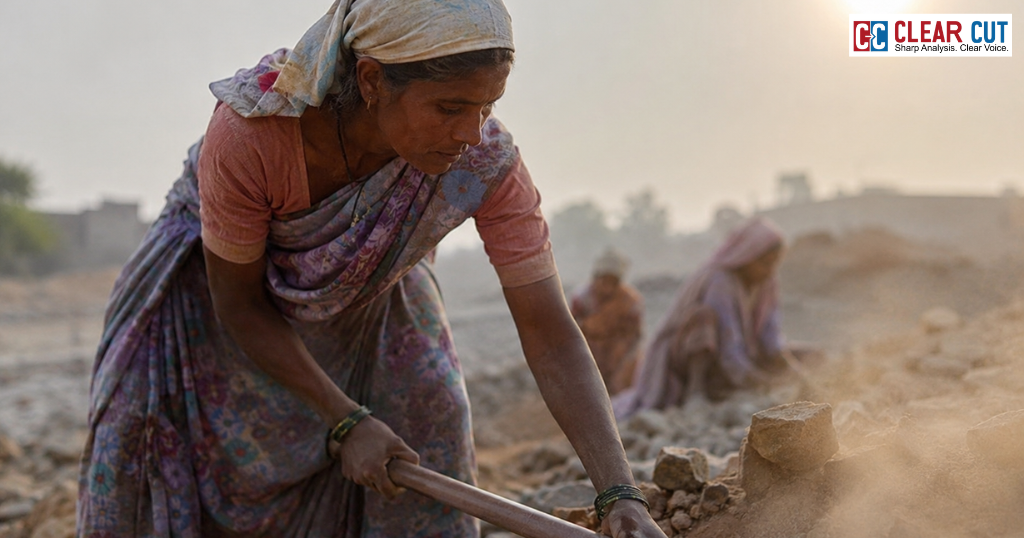
- Rising temperatures and extreme heat are making it increasingly difficult for India’s informal workers, including farmers, construction labourers, street vendors, and delivery riders, to earn a living while protecting their health.
- Heat exposure is reducing productivity, lowering incomes, increasing medical expenses, and creating financial hardship for millions of workers who lack social security and workplace protections.
- As climate change intensifies, protecting India’s invisible workforce through safer working conditions, access to water, cooling facilities, and stronger labour protections is becoming essential for both livelihoods and economic stability.
Climate change is not something that will happen someday. It is happening now. It is changing the way people live in India. The temperature is getting higher, the air is getting thicker because of the humidity, and the heat is staying longer every year. This is a problem for a lot of people, especially those who must work outside. People like street vendors who stand in the sun for hours, farmers who take care of their fields, construction workers who build cities and delivery riders who drive on roads are really struggling. As the temperature gets higher it is getting harder for them to work, as they are getting sick. It is getting harder for them to earn money.
The government telling people to stay indoors, and the National Disaster Management Authority (NDMA) sending out heat alerts through its Sachet warning system, are signs that climate change is no longer something on the horizon. It is here now.
People see melted roads and damaged fields, but few mention the rickshaw driver working all day or the crew mixing concrete under the harsh sun. These workers experience the crisis firsthand, yet their stories rarely appear in climate change discussions among leaders. As India gets hotter, it’s these workers who suffer most, and their struggles affect not only themselves but also the economy and the country’s future.
According to the International Labour Organization’s 2024 report “Heat at Work,” almost three out of four workers in Asia face extreme heat on the job, a figure that aligns closely with India’s own workforce exposure, as the World Bank confirmed in its 2022 India climate report. According to the ILO India Employment Report 2024, nearly 90% of workers are stuck in informal jobs, which means no sick leave, no real safety net, just crossing their fingers and going back out tomorrow, hoping it won’t be worse. The ILO’s report “Working on a Warmer Planet” (2019) warns that by 2030, the world could lose more than 2% of all work hours just from heat.
A 2024 study in Environmental Research Letters by Delhi-based researchers Das and Somanathan, which followed nearly 400 informal workers across two Delhi slums, found that workers lost around 19% of their net earnings for every degree increase in wet-bulb temperature. In the worst-hit areas, incomes fell by nearly 40%, and medical expenses rose by up to 15% per degree of temperature rise. For people living pay cheque to pay cheque it means brutal trade-offs skipping meals, pulling kids out of school, maybe going into more debt just to get by.
The story for farmers is just as tough. Agriculture props up a huge part of India’s workforce, roughly 45% according to the Periodic Labour Force Survey 2022-23, but when the temperature spikes, fields wither, yields collapse, and earnings dry up. Farmhands end up cutting hours to avoid passing out from the heat, and climate scientists warn that by mid-century, parts of South Asia could see wet-bulb temperatures approach survivable limits, making outdoor work impossible for months at a stretch (Im et al., Science Advances, 2017). The World Bank estimates that rising heat could put up to 4.5% of India’s GDP at risk by 2030 through lost labour hours alone.
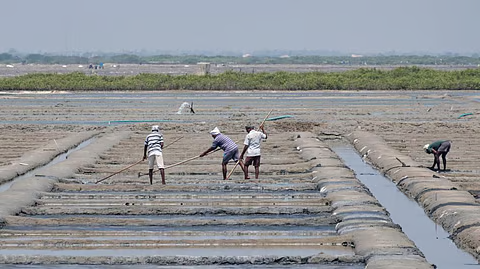
Laborers in construction, delivery, sanitation, and many other crucial positions for our cities frequently withstand lengthy hours under the blazing sun daily. They have no places to avoid the sun, access clean water, or unwind in a shaded spot.
For migrant workers the heat is a big problem because it affects how much money they make. When it is hot outside many of them must work fewer hours or not work at all which means they get paid less and have more financial problems.
Conditions are becoming more challenging as an increasing number of individuals engage in app-based employment such as food delivery and ride-hailing services. These employees are outdoors for a significant part of their day, frequently during the hottest times, with minimal safeguards against the heat.
The damage is clear health-wise. According to the ILO’s 2024 report “Heat at Work,” workers exposed to extreme heat suffer dehydration, heat exhaustion, and serious long-term damage to kidney and cardiovascular function. Most informal workers don’t have health insurance, so every visit to a clinic hurts, and a stretch of bad luck can push an entire family into poverty. Women often carry a double burden. Many spend hours working in the sun whether in fields, factories, markets or informal jobs, and then go home to handle cooking, cleaning, childcare, and various domestic tasks.
The impact doesn’t just affect workers. When people are too tired or sick to work whole communities feel the effects. Businesses lose productivity. Supply chains get disrupted. Local economies slow down. What may seem like a rise in temperature can mean lost wages, reduced output and growing economic pressure. If temperatures keep rising the costs will be felt not by workers and their families but by the country.
The good news is that we already have solutions. Workers need access, to drinking water shaded rest areas cooling facilities and safer working conditions during extreme heat.
Enhanced labour protections and more effective urban planning can significantly impact outcomes. Rather than waiting for people to become sick, the focus should be on protecting them before the heat becomes dangerous. No one should have to struggle with the choice between earning a living and protecting their health. Daily, India’s unseen labour force demonstrates that climate change is not on hold.
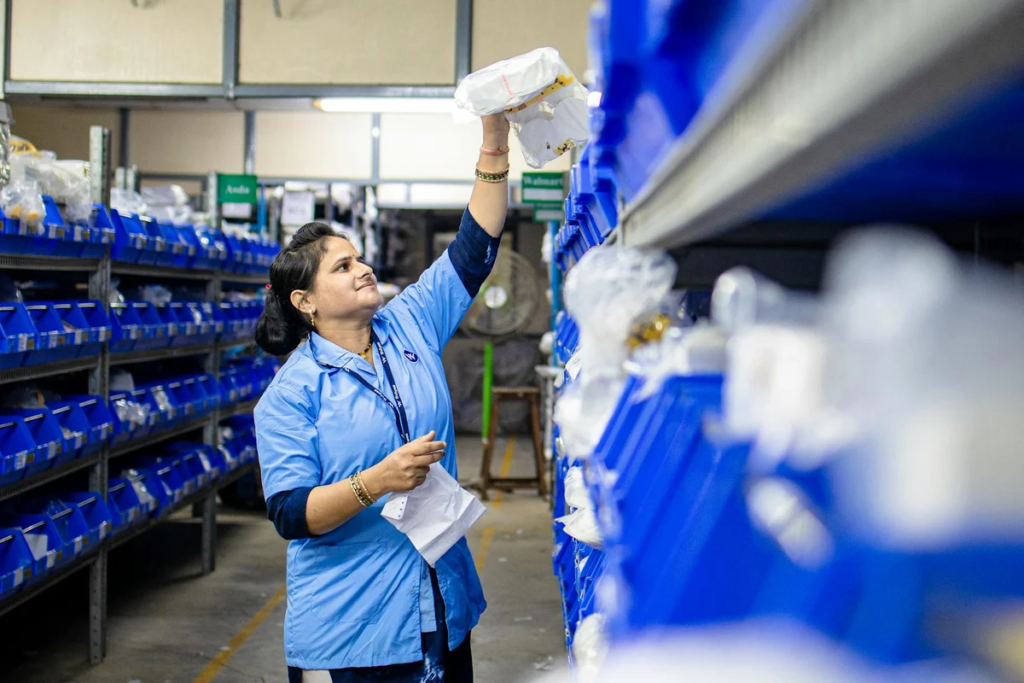
Every day, India’s invisible workforce proves that climate change isn’t waiting. It’s already here, already reshaping everything. Protecting these workers from the worst heat isn’t just about fairness it’s about giving India a shot at a safe, thriving future in a world that’s only getting hotter.
Clear Cut Climate Desk
New Delhi, UPDATED: June 14, 2026 05:00 IST
Written By: Anaina Tomy