Clear Cut Magazine

The Dust We Ignore: Why India’s Most Persistent Pollution Problem Remains Unsolved

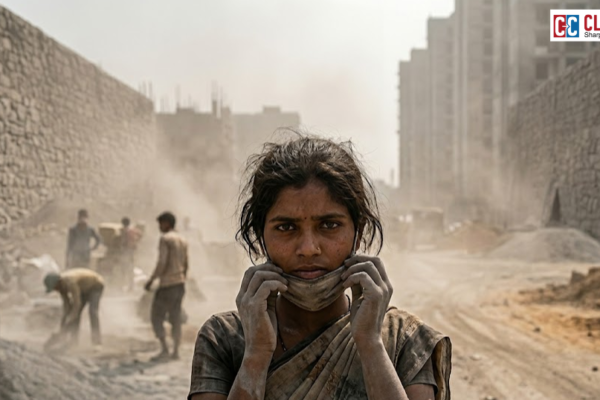
However, India’s dialogue on air pollution is far more developed than a decade ago. Air quality monitors display real-time PM2.5 figures on public websites. Cities release their respective plans on clean air action. People examine the pollution index before going out. However, amidst all this progress, there has been one particular aspect of the ongoing…

Read More

The Return on Investment Is Documented. The Investment Is Not

Here’s what the WRI analysis actually shows. The team reviewed 46 World Bank-financed health projects across low- and middle-income countries and came up with numbers that belong in every health ministry’s budget talks. For a country of 25 million people, putting money into seven areas of climate-health preparedness such as disease surveillance, climate-informed planning, resilient…

Read More

A Routine Inspection Exposed a Deeper Crisis in Delhi’s Neglected Wards 

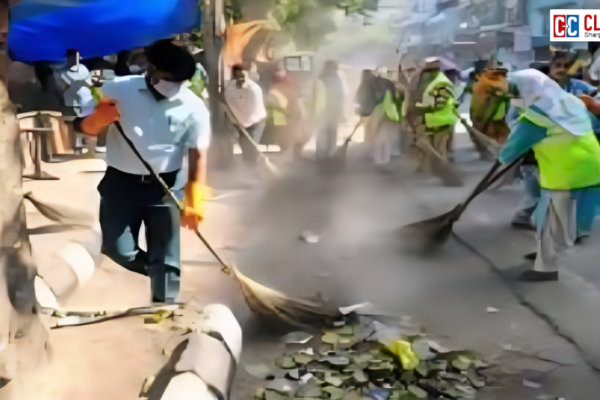
Delhi’s waste crisis in Ward 42 highlights how decades of unequal urban planning and poor sanitation continue to impact low-income colonies like Mangolpuri and Sultanpuri. Overflowing dhalaos, weak waste segregation, and failing civic infrastructure have turned a sanitation issue into a major public health and social development concern. When Delhi’s MCD staff visited Ward 42 in Rohini Zone on…

Read More

Bridging Gender Gaps in India’s National Programme for Prevention and Control of Non-Communicable Diseases (NPCDCS):A Women’s Health Perspective

India’s NCD programmes, especially NPCDCS, remain largely gender-neutral, failing to address women’s unique health risks and barriers. A gender-responsive, life-course approach is essential to improve early detection, access, and outcomes for women. Non-communicable diseases (NCDs) are responsible for nearly 74% of deaths globally, with India experiencing a rapidly rising burden of cardiovascular diseases (CVDs), diabetes,…

Read More

THE MAN WHO DECIDED DEATH MUST BE EXPENSIVE

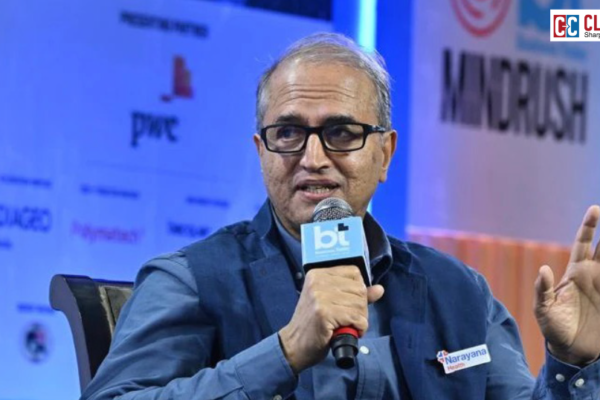
Dr. Devi Prasad Shetty transformed heart surgery into an affordable reality, challenging the idea that life-saving care is only for the rich. Through innovation and compassion, he built systems that made quality healthcare accessible to millions. Dr. Devi Prasad Shetty not only built hospitals. He rewrote the belief, saving a life was a privilege only…

Read More

Health care in India:The Hidden Cost of Care

India’s healthcare system has improved, but high out-of-pocket expenditure still puts a heavy financial burden on households. Reducing these costs through stronger public funding and broader insurance is key to achieving universal health coverage. The Cost Behind Access The changing face of the Indian healthcare system over the last two decades reflects a strategic intent…

Read More

India’s Nutrition Tracker Introduces Facial Recognition — But Is It the Right Move?

India has added facial recognition to the Poshan Tracker to ensure nutrition benefits reach the right people and reduce leakages. However, it raises concerns about privacy, consent, and the risk of excluding genuine beneficiaries. The Problem it Hopes to Solve Arguably, India has one of the world’s largest child nutrition programmes. Every day, nearly millions…

Read More

India’s WASH Story From National Missions to Sustainable Systems

India’s WASH transformation through the Swachh Bharat Mission and Jal Jeevan Mission has significantly expanded sanitation and safe drinking water access, improving public health, gender equality, and rural livelihoods. The next phase focuses on sustaining these gains through resilient systems, community ownership, and climate-sensitive water management. Water, Sanitation and Hygiene (WASH) is not only a…

Read More