


- World Physiotherapy Day 2026 highlights the role of physiotherapy and physical activity in preventing, treating, and rehabilitating cardiovascular diseases and strokes.
- Evidence shows that structured exercise and active rehabilitation can improve recovery, reduce complications, and support greater functional independence.
- In India, the rising burden of chronic diseases underlines the need for stronger physiotherapy research, prevention, and community-based rehabilitation.
Every September 8, World Physiotherapy Day is commemorated throughout the world. As expected, the theme for the 2026 year, which is proposed by World Physiotherapy, the global organization representing over 600,000 physiotherapists in 128 member countries, relates to the prevention, treatment, and rehabilitation of cardiovascular diseases and strokes using physiotherapy and physical activity. Cardiovascular disease is still the number-one killer worldwide with over 20.5 million deaths annually and more than 30% of all global mortality attributable to it. It is worth mentioning that the fact that the area of physiotherapy, which was formerly considered to be a field limited to treating sports injuries and postoperative patients, can now be applied to fighting heart and brain problems speaks volumes about how much progress has been achieved in the field of physiology.

What the evidence says about recovery
However, the very essence of physiotherapy – guided and progressive movements provide healing more effectively than rest only – became scientifically proved by recent reviews of the literature dedicated to musculoskeletal pains. The structure review in the journal Cureus in 2025 of randomized control trials of cervical myofascial pain syndrome conducted over the period from 2019 to 2025 revealed that the most sustainable results were achieved via structured exercises, especially those in combination with such techniques as dry needling and manual therapy. Indeed, one may easily note a tendency in musculoskeletal rehabilitation that passive treatment measures (rest, immobilization, drug therapy) provide temporary relief whereas the active ones (therapist-guided movements) lead to more sustainable results.
Such trends in physiotherapy are supported by industry statistics. Recent analysis of effectiveness of physical therapy shows success rates in 68-72% in various conditions, physiotherapy reduces opioid dependency and, in most orthopaedic cases, delays or prevents necessity of surgery. Also, there is a review of the progress in 2025 that includes new technologies (wearable sensors, AI-driven movement assessment, remote monitoring) that may reduce recovery time up to 30-50%.
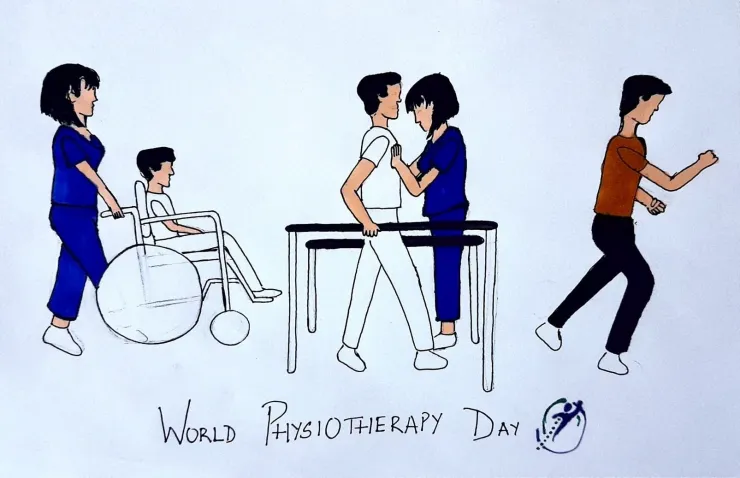
Another field in which the evidence-based practice has progressed quickly is neurological rehabilitation. Studies that have been done on this subject and have been highlighted in the Journal of Physiotherapy in 2026 demonstrate how physiotherapy is becoming increasingly advanced in helping patients recover from motor deficits resulting from a stroke, especially when it comes to the importance of structured, focused, and early physiotherapy intervention in terms of achieving functional independence – exactly why this year’s World Physiotherapy Day is themed in such a way.
Prevention: the less visible half of the story
Whereas most attention is focused on the rehabilitation process, the importance of prevention in physiotherapy cannot be underestimated either. Physiotherapists are specialists able to recognize the patterns, imbalances in muscles, and risks that can further develop into an injury or illness. More specifically, in terms of cardiovascular health, physiotherapists increasingly become prescribers and supervisors of safe exercise programs for people prone to developing heart diseases, as well as participate in pulmonary and cardiac rehabilitation programs following heart attacks and surgery.
It may seem obvious but one of the most popular misconceptions, surprisingly, is that rest is always the right answer when it comes to pain or injury. It has been proved numerous times that inactivity results in muscle deconditioning, stiff joints, and longer rather than faster recovery period. Another factor that physiotherapy studies reveal is psychological one, which has not been sufficiently considered in earlier approaches to patient’s treatment. Specifically, fear of re-injury was identified in a number of studies as the cause of patients’ refusal to perform certain movements even if they are physically ready to do it.
The Indian context
The number of papers published on physiotherapy research in India has increased consistently over the last 20 years. In particular, one bibliometric analysis of physiotherapy research publications from India in 1999-2018 revealed the existence of an increasing trend of scientific production with the institutions like Manipal University being highly productive. However, at the same time, the mentioned study also noted the decrease in the number of publications after 2016, which testifies to the fact that the development of research facilities and funding of the field still requires improvement. Meanwhile, another review paper on physiotherapy in Indian communities indicated that despite there being a considerable amount of evidence related to the use of physiotherapy to treat chronic conditions, the evidence base concerning preventive and community-based functions of physiotherapy still lacks – an evidence gap that Indian scientists and policymakers are increasingly encouraged to fill since the number of patients with non-communicable diseases including diabetes, hypertension, and strokes is on the rise in India.
The problem is significant since India, similar to many countries in the world, experiences a demographic and epidemiological transition with aging of the population, increase of lifestyle-related chronic diseases and survival after heart attacks and strokes.
Why this matters beyond the clinic
The public health value of physiotherapy lies in three main principles that emerge repeatedly from the literature: it enables the resumption of normal functioning after an illness or injury, it decreases the chances of developing other complications through education and appropriate physical activity, and it achieves this without the need for any surgical procedures or medications. In a world where more and more countries struggle to cope with the problems created by the ageing population and chronic diseases or heart disease, physiotherapy is becoming more and more seen as not only a complement, but as an integral part of healthcare itself, based on increasing scientific evidence.
In other words, the science supports what physiotherapists have long been preaching in practice – correct and timely use of movement is medicine.
Clear Cut Health Desk
New Delhi, UPDATED: September 08, 2026 09:00 IST
Written By: Subhanshu Jaiswal
Designation: Assistant Manager – MLE at Devinsights