

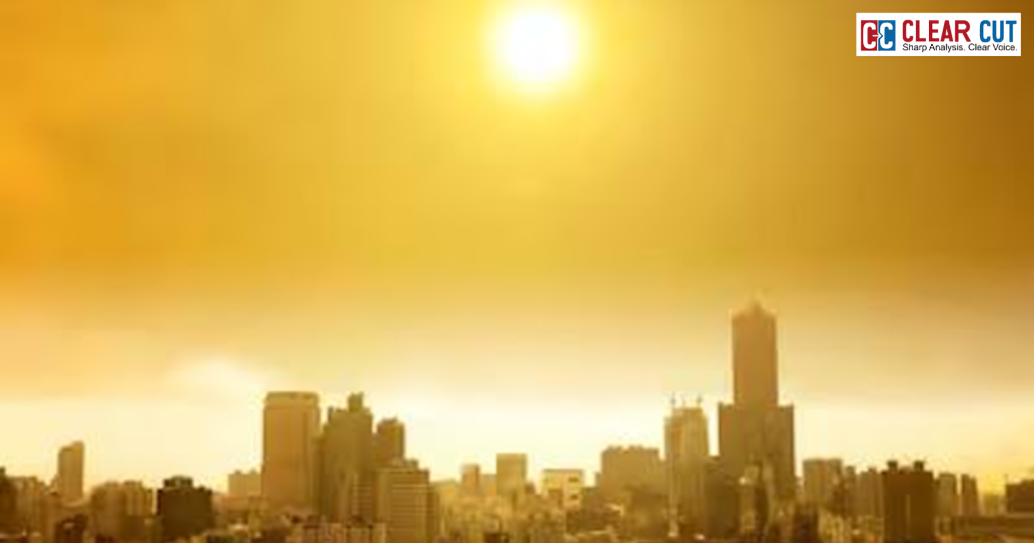
India’s extreme 2026 heatwave is exposing deep gaps in policy, leaving outdoor workers and vulnerable communities without protection. Despite warnings and emergency steps, long-term solutions and worker-focused measures remain missing.
The Numbers This Week
Right now, India is feeling the full force of an unprecedented heatwave. Money control reported on April 22, 2026, that 19 out of the 20 hottest cities in the world are in India. It’s not just about records, six cities have already crossed 46°C, according to Karm active, which has been tracking this heat emergency. The India Meteorological Department, in a press release on May 2, promised a bit of short-lived relief: thunderstorms and gusty winds would scatter over the Western Himalayas and parts of central India from May 3 to 6. After that, the heat is set to bounce right back.
Health Secretary Punya Salila Srivastava has ordered health facilities across states and union territories to get heatstroke management units up and running and to keep ambulances ready, with real-time heatstroke case reporting through the Integrated Health Information Platform. Still, with over 10,000 heatwave deaths in India recorded between 2000 and 2020, this is no routine summer.
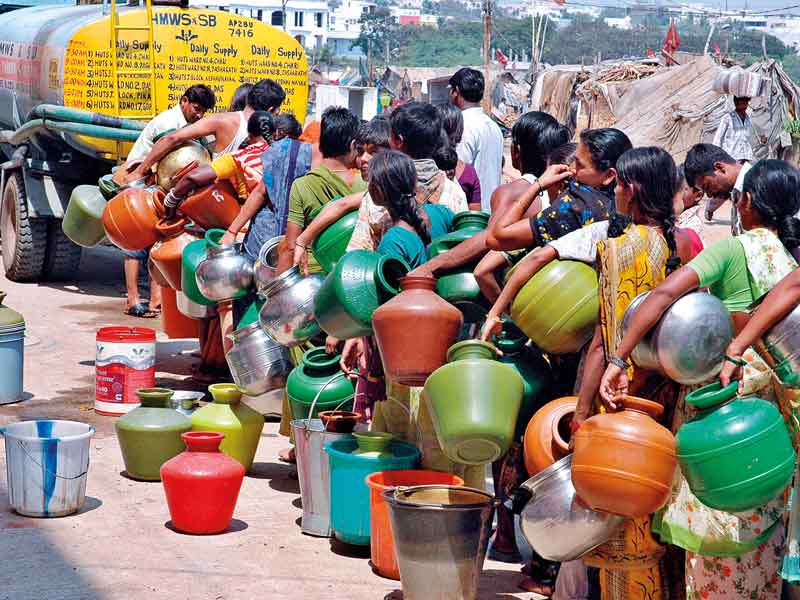
The IMD’s latest outlook isn’t reassuring they expect more frequent and widespread heatwaves across East, Central, North-West, and the South-East Peninsula from April to June 2026. A “heat dome” has locked sweltering air over the Indo-Gangetic plains. Rapid, unchecked construction, vanishing tree cover, and the churn of cars and industry have intensified urban heat island effects, pushing city temperatures even higher than their surroundings. In Karnataka, Chief Minister Siddaramaiah has already warned of a likely bad monsoon and ordered drinking water to take priority over irrigation; right now, 598-gram panchayats across 114 taluks face serious water shortages. Maharashtra has set disaster response plans into motion as well.
This isn’t one region having a rough patch. It’s the collapse of the natural balances that kept Indian summers bearable for generations unraveling faster than governments and institutions can cope.
Who Is Actually Bearing This
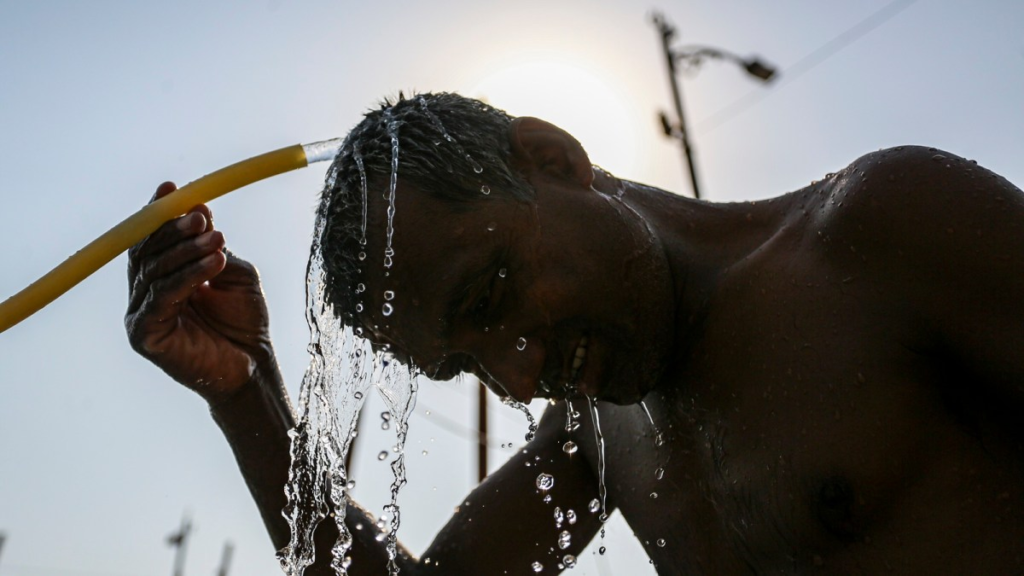
The brunt of the 2026 heatwave is landing hardest on people usually left out of official plans. Most of the Ministry of Health’s measures revolve around hospitals, ambulances, and formal heatstroke reporting. The formal health system really needs this. But these interventions barely reach a construction worker in Delhi who must start at 6 a.m. and work through 42°C afternoons, because he’s paid by the day and doesn’t get breaks for extreme weather. They don’t help the woman running her vegetable cart in Hyderabad, setting up at 10 a.m. just as temperatures in Adilabad push toward 40°C, a city that Gulf News called one of the world’s hottest this week. Nor do they reach the waste pickers, an estimated 4 million of them across India who work in open landfills, exposed and unprotected, with no shade, water, or legal rights to safety measures.
A United Nations Economic and Social Commission for Asia and the Pacific study, included in VisionIAS’s recent analysis, projects that India will lose about 5.8% of daily working hours to high temperatures by 2030. The losses will hit agriculture and construction hardest. Heat-driven migration is already swelling city populations and straining infrastructure. None of this is hypothetical; you can see the consequences in labor markets, crowded hospital waiting rooms, and the water tankers Karnataka is sending to 137 villages. That’s 129 tankers rolling out as of now, according to Karmactive.
What Corporate India Has Not Done
The Factories Act of 1948 tells employers to provide decent ventilation and protection from extreme temperatures inside factories. But it leaves out outdoor workers, including people in agriculture, construction, and street vending. This legal blind spot turns catastrophic when the world’s hottest cities all cluster in one country. Newslaundry’s investigation in April gave real voices to workers caught in this gap, and nothing has changed since then.
India’s Sixteenth Finance Commission debated earlier this year whether to label heatwaves as national disasters. That move would make National Disaster Response Fund resources available to help affected workers. Reporting from Down to Earth in February confirmed the Commission is still weighing its options. If heatwaves were classified as national disasters, state governments could use these funds for shade shelters, hydration points, rest breaks for outdoor workers, and health clinics at construction and farm sites. Without such classification, the help stays mostly inside formal health systems out of reach for many who are most exposed.
Corporate social responsibility (CSR) spending in India, as tracked in the latest Crisil Foundation CSR Yearbook, goes mostly to afforestation, water projects, and renewables. Actual heat adaptation for outdoor workers isn’t yet on the list. The new BRSR (Business Responsibility and Sustainability Report) framework asks companies to disclose their environmental impacts, but not whether their supply chain workers in heat-battered cities have access to shade, safe water, or sick leave due to heat. According to the ICOR , environment & sustainability accounts for 13% of CSR spending, which may include afforestation initiatives, while healthcare & WASH receives 18%, covering water-related programs. If nobody asks these questions, companies can celebrate green credentials in their reports while ignoring the ongoing heatwave that powers their supply chains.
Conclusion
India holds 19 of the 20 hottest cities on Earth this week. The Ministry of Health has activated heatstroke units. The IMD broadcasts warnings. Karnataka is trucking water to hundreds of parched panchayats. But all these steps are stopgaps for a crisis that’s already here. The real question, the one our institutions haven’t answered yet is how to keep safe the workers who have no choice but to stay outside when the mercury climbs past 40°C, because if they don’t, they don’t eat. Three moves would address this head-on: classifying heatwaves as national disasters, amending the Factories Act to protect outdoor workers, and requiring BRSR reports to cover heat protection in supply chains. Not one of these has made it into the government’s latest plan.
Clear Cut Climate, CSR Desk
New Delhi, UPDATED: May 05, 2026 04:25 IST
Written By: Jay