
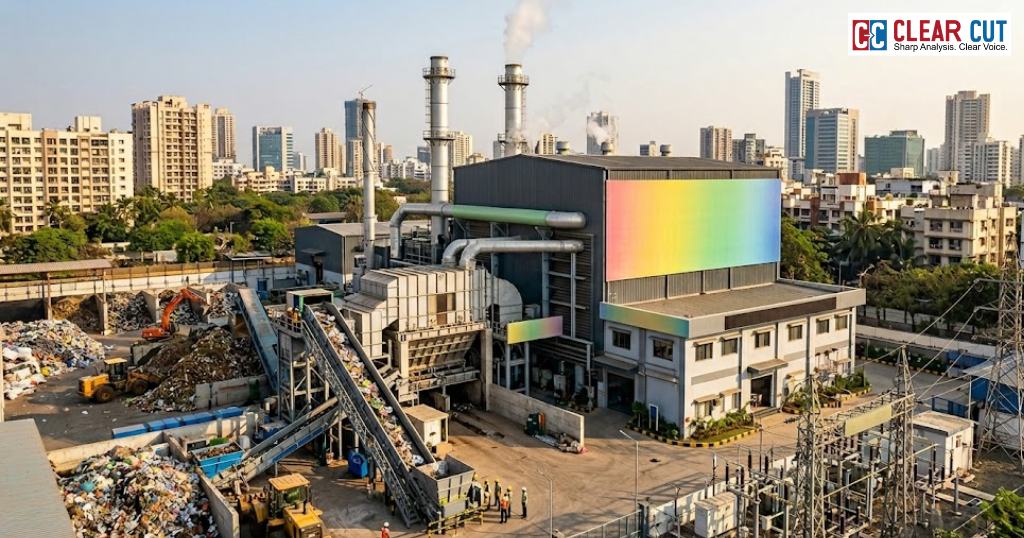
The content highlights how converting organic waste into biogas can address both waste management and energy needs in India. It emphasizes environmental benefits, economic opportunities, and government initiatives supporting sustainable fuel alternatives.
Countries all over the world are looking for new, clean, and long-lasting sources of energy because of the rising cost of fuels, pollution, and global warming.
Using waste materials to make biofuel energy is getting a lot of attention as a possible replacement for fossil fuels and other non-renewable fuel sources. Household, farm, market, and industrial waste containing organic materials can be used to generate gas energy in the form of biogas that can replace liquefied petroleum gas (LPG).
In a developing nation like India, the amount of waste being generated is on the rise. This growing problem can be solved with waste recycling methods which would help produce alternate fuel for domestic use. On any regular day, India generates about 62 million tonnes of municipal solid waste each year, according to the Central Pollution Control Board (CPCB) under the Ministry of Environment, with a significant share originating from food products, agricultural activities, and animal sources.
People usually throw away this kind of trash in landfills, rivers, and open spaces, which pollutes the air and releases greenhouse gases like methane into the environment (Central Pollution Control Board [CPCB], 2023).
Biogas can be purified and compressed into CNG or LNG, which can then be used as a fuel for vehicles. It is produced through the anaerobic digestion of organic waste, where microorganisms break down biodegradable material in the absence of oxygen. This process generates methane-rich gas that can be used for cooking, electricity generation, and even as a transport fuel. The residual by-product, known as digestate, can be further utilised as an organic fertiliser in agriculture.
One of the most important benefits of the technology of waste to gas lies in its ability to solve two main problems simultaneously – management of waste and shortage of fuel. As opposed to purchasing costly cylinders of liquefied petroleum gas or buying fossil fuel from other countries, communities can produce their own fuel from their biodegradable waste. This will especially be useful in rural settings where crop residue and cattle manure are abundant sources of raw materials.
In India, there are some instances of how biogas utilization could be carried out. In Indore, the cleanest city in the nation, the municipal council has employed biogas technology for the conversion of wet waste into compressed biogas (CBG) to fuel the buses of their public transport system. Moreover, many villages in Maharashtra and Gujarat have built biogas plants at the community level using cow dung and other organic wastes.
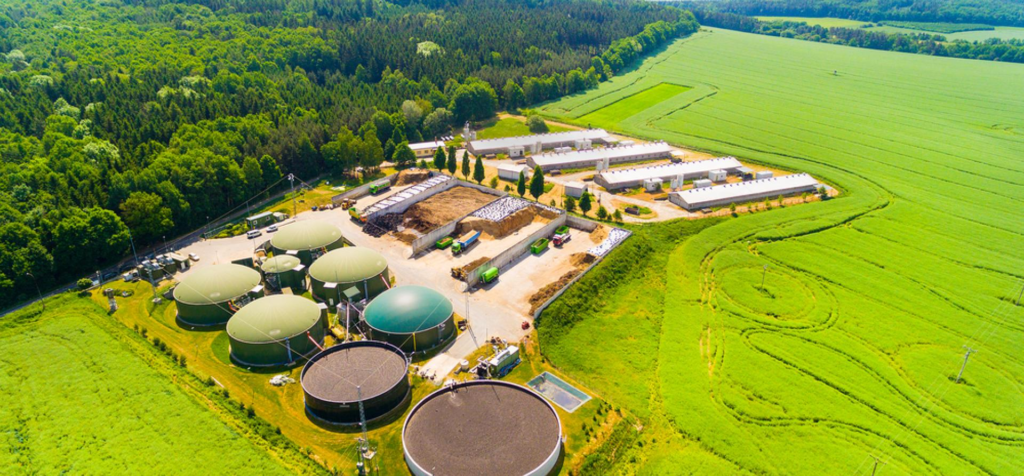
At the national level, the Government of India has been proactive in promoting such projects by means of programs like SATAT (Sustainable Alternative Towards Affordable Transportation) program targeting the construction of about 5,000 CBG plants and the GOBARdhan program that aims to convert organic waste into energy and organic fertilizer. Gujarat has been a leader in the utilization of biogas as it has implemented the utilization of cow dung from gaushalas and dairy farms through the GOBARdhan program.
Conversion of waste material into gases can be termed environmentally sustainable. Methane gas, which causes global warming, is obtained from wastes in landfills. The process of converting waste material into biogas would assist in controlling the emission of methane gas through its conversion.
Economically, the generation of electricity from waste materials would provide employment opportunities. Furthermore, informal waste collectors may be included in recycling activities in their respective sectors. With the continued increase in energy demands soon, waste-to-energy facilities are likely to contribute towards green jobs and development.
However, there are several constraints associated with the construction of biogas facilities. The establishment of such plants requires investment, efficient segregation, technical knowledge, and public awareness. Due to the presence of mixed waste in urban areas, recycling is not always possible. Moreover, some initiatives have failed due to lack of proper infrastructure and maintenance practices.
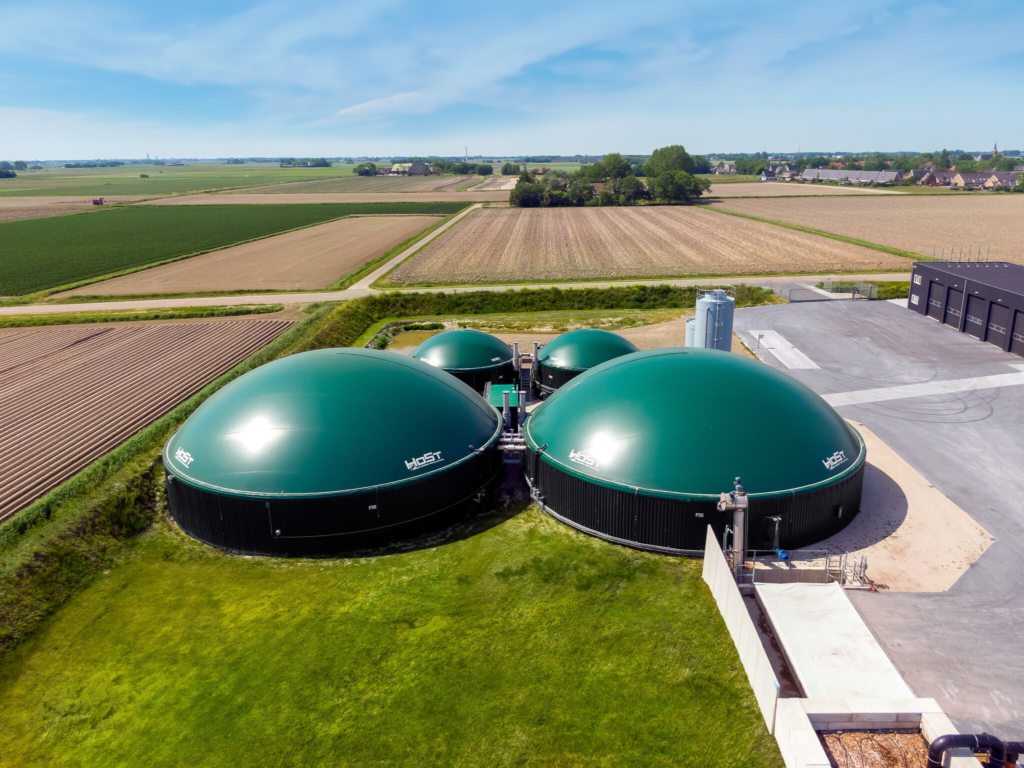
In conclusion, it is clear that the process of converting waste into energy will be highly beneficial in the future. Instead of considering the use of waste materials as a burden, one should consider that such resources may become sustainable and provide protection for the environment. In accordance with the views of the International Energy Agency, biogas becomes increasingly popular since it may increase energy security through the development of energy sources locally and through low greenhouse gas emissions. With the right investments and implementation, waste-to-watts can play a vital role in building a cleaner, more resilient, and sustainable energy future.
Clear Cut Climate, Livelihood Desk
New Delhi, UPDATED: May 05, 2026 09:00 IST
Written By: Anaina Tomy