

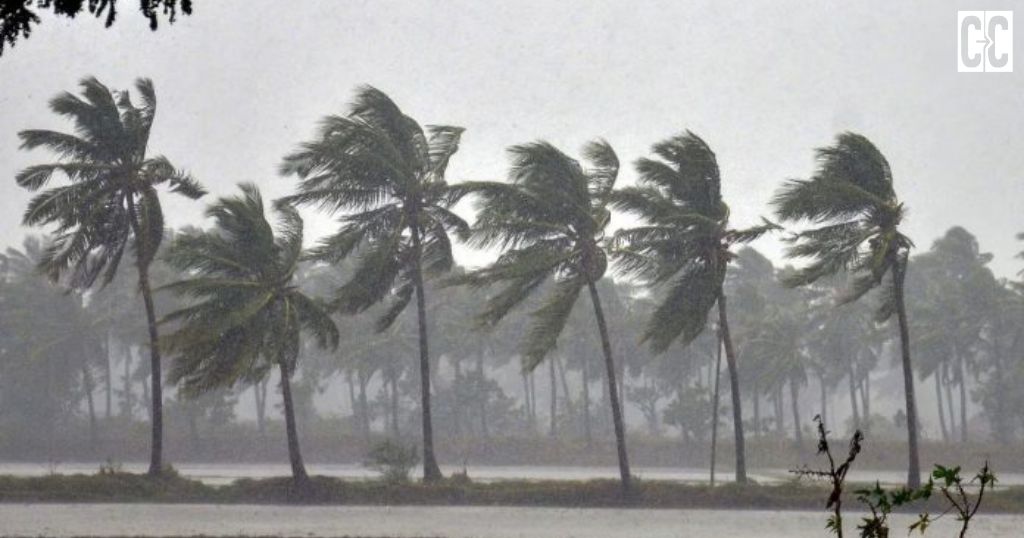
- The delayed 2026 southwest monsoon significantly disrupted kharif crop sowing, reduced agricultural productivity, and increased financial uncertainty for farmers, impacting food security and the rural economy across India.
- Strengthening climate resilience through improved irrigation, accurate weather forecasting, crop insurance, and sustainable water management is essential to reduce agriculture’s dependence on unpredictable monsoon patterns and tackle climate change impacts.
The 2026 southwest monsoon has proved the continuing vulnerability of India’s agriculture to climate variability. The delayed rainfall has postponed sowing operations, disrupted crop planning, and increased financial uncertainty for farming households across Marathwada and Bundelkhand. The impact of the monsoon extends beyond agriculture. It influences rural livelihoods, food security, inflation, and water availability across the country.
Monsoon performance in 2026
According to the India Meteorological Department (IMD), the 2nd-stage forecast for the June-September 2026 southwest monsoon projected seasonal rainfall at 90% of the Long Period Average (LPA). It also indicated an 84% probability of below-normal or deficient rainfall. By the end of June 2026, rainfall remained significantly below normal, with national rainfall estimated at approximately 40% below the seasonal average. Nearly 75% of India’s geographical area experienced rainfall deficiencies of 20% or more. Meanwhile, the southwest monsoon had advanced over only about half of the country’s landmass. Several regions, including Maharashtra, received widespread rainfall only during the final week of June. This delayed kharif crop sowing and increased production risks.
Impact on agriculture and rural economy
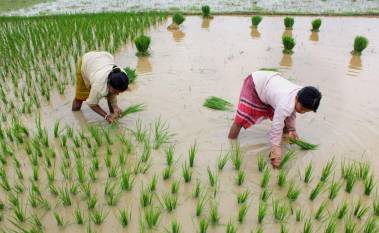
Approximately 52% of the country’s net sown area is rain-fed and relies directly on seasonal rainfall. Consequently, delayed or deficient monsoons can reduce agricultural productivity, lower rural incomes, increase food prices, and intensify pressure on groundwater resources. According to the Council on Energy, Environment and Water (CEEW), more than 75% of India’s districts are already exposed to multiple climate-related hazards. This is making agriculture increasingly vulnerable to both droughts and extreme rainfall events. In addition, floods account for nearly 55% of India’s disaster-related expenditure. It affects approximately 40 million hectares of land annually, resulting in water scarcity and sudden flooding within the same monsoon season.
Strengthening climate resilience
Improving resilience to climate variability requires a combination of technological, infrastructural, and policy interventions. Expanding micro-irrigation under the Pradhan Mantri Krishi Sinchayee Yojana (PMKSY) can improve water-use efficiency. Drip irrigation can reduce water consumption by 30-50% while enhancing crop productivity. Restoration of wetlands, modernization of drainage infrastructure in flood-prone urban areas, and strengthening groundwater recharge systems improve water management during extreme weather. Moreover, expanding the IMD’s Doppler Weather Radar network and integrating AI-based district-level weather forecasting provides farmers with more accurate and timely weather advisories. This enables better agricultural planning and risk management.
Policy priorities
To improve preparedness for future monsoon variability, several measures should receive greater attention. District-level rainfall and drought data should be available in real time and integrated with crop contingency advisories. The settlement of claims under the Pradhan Mantri Fasal Bima Yojana (PMFBY) should be closely monitored for timely compensation to affected farmers. In addition, investments in rainwater harvesting, watershed development, and aquifer recharge must be accompanied by measurable implementation targets. Transparent monitoring will strengthen long-term water security in India’s predominantly rain-fed agricultural regions.
Conclusion
The 2026 southwest monsoon showed the growing influence of climate change on India’s agricultural and rural economy. The improvements in weather forecasting, irrigation infrastructure, crop insurance, and water resource management have strengthened resilience. There has to be continued investment and implementation in building a climate-resilient agricultural system. This will require integrated planning, sustainable water management, and timely support mechanisms to reduce farmers’ dependence on unpredictable monsoon patterns.
Clear Cut Climate Desk
New Delhi, UPDATED: August 03, 2026 09:00 IST
Written By: Tanmay URS