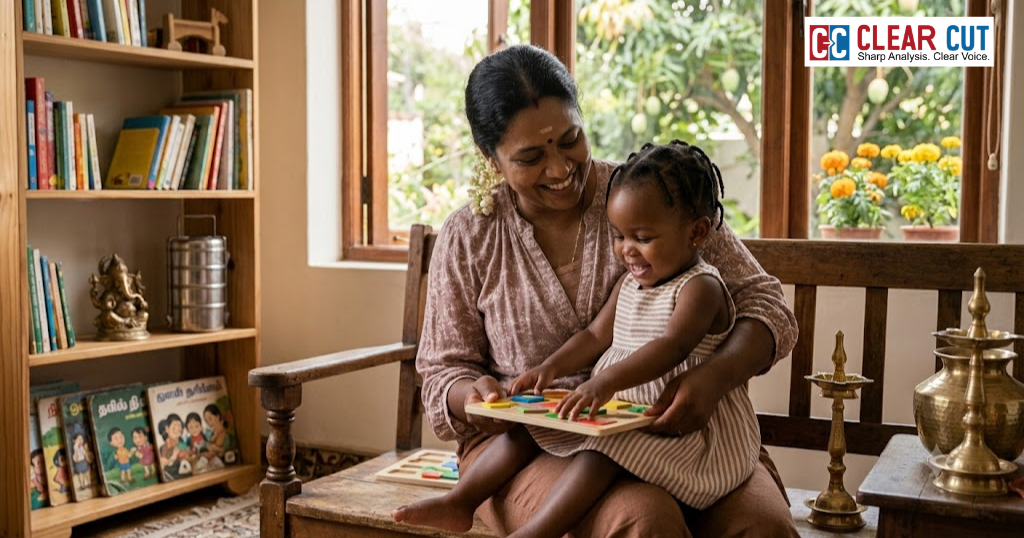
- The first 1,000 days—from conception to a child’s second birthday—are the most critical period for brain development, physical growth, immunity, and lifelong health, making proper nutrition and maternal care essential.
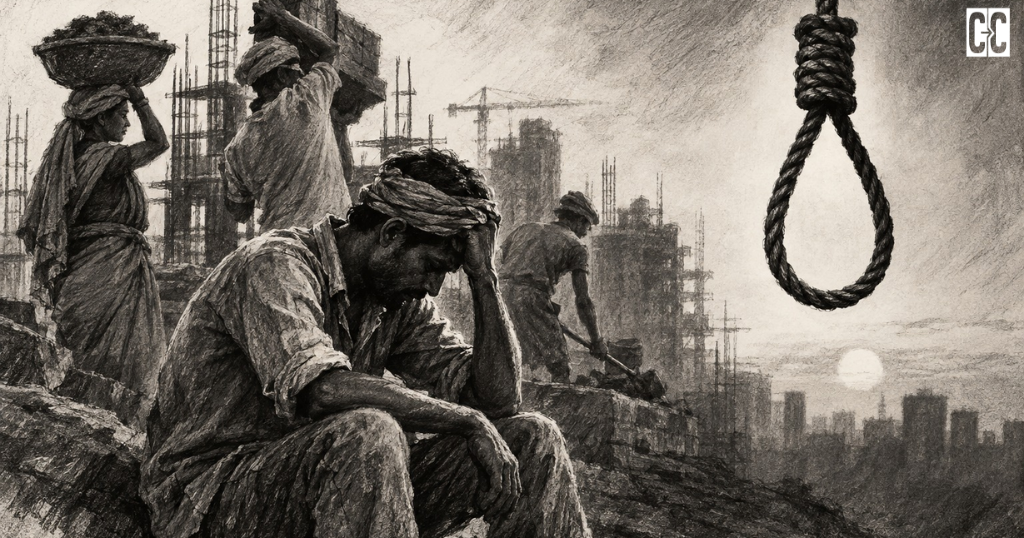
- Millions of children worldwide, including in India, still face stunting and malnutrition due to inadequate nutrition and healthcare, despite gradual improvements through initiatives such as Poshan Abhiyaan.
- Experts emphasize that investing in maternal nutrition, breastfeeding, early stimulation, and quality healthcare during this window delivers lifelong benefits for children and stronger social and economic outcomes.
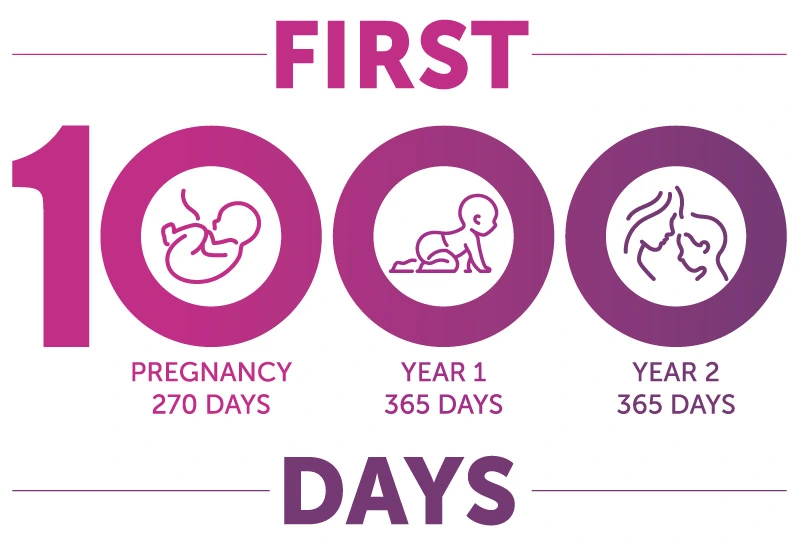
There’s a stretch of time in every human life that lasts less than three years but shapes everything that comes after it. It runs from the moment of conception to a child’s second birthday roughly 1,000 days and during this window, the human brain, body, and immune system are built at a pace they will never match again.
Get this window right, and a child is set up to learn, grow, and thrive. Get it wrong, and the consequences stunted growth, weaker cognitive ability, compromised immunity can follow a person for life. This is why nutrition scientists, pediatricians, economists, and policymakers keep returning to the same phrase: the first 1,000 days.
Why This Specific Window
Conception to age two covers several distinct, overlapping stages of development: preconception, the three trimesters of pregnancy, birth, and the first two years of life. Each stage has its own developmental priorities, but together they form a single continuous arc and interventions made at any point along that arc echo across the rest.
The brain is the clearest example. It undergoes an extraordinary burst of neural connection-building during this period, laying down the wiring that underpins learning, memory, and emotional regulation for a lifetime. At the same time, organs are forming, the immune system is maturing, and the body is growing faster than it ever will again. Because so much is happening at once, this period is unusually sensitive to both nourishment and neglect.
Nutrition: The Foundation Everything Else Is Built On
Nutrition during the first 1,000 days doesn’t just affect a child’s height and weight it directly shapes brain architecture, immune strength, and long-term disease risk. Deficiencies during this window are difficult, and sometimes impossible, to reverse later.
The data makes the stakes clear:
- In 2024, an estimated 150.2 million children under 5 worldwide were stunted too short for their age due to chronic malnutrition while another 42.8 million were wasted (too thin for their height).
- Global stunting prevalence has fallen from 26.4% in 2012 to 23.2% in 2024, real progress, but still nowhere near fast enough. Current trends mean the world will miss the 2030 target of reducing stunted children to 90 million by 46 million children.
- South Asia (56 million) and sub-Saharan Africa (62 million) carry the largest burden of stunted children globally, and sub-Saharan Africa is the only region where the absolute number of stunted children is still rising.
- A landmark 2017 Lancet analysis estimated that 250 million children under 5 in low- and middle-income countries 43% of that population were at risk of not reaching their developmental potential, largely due to stunting and poverty in early life.
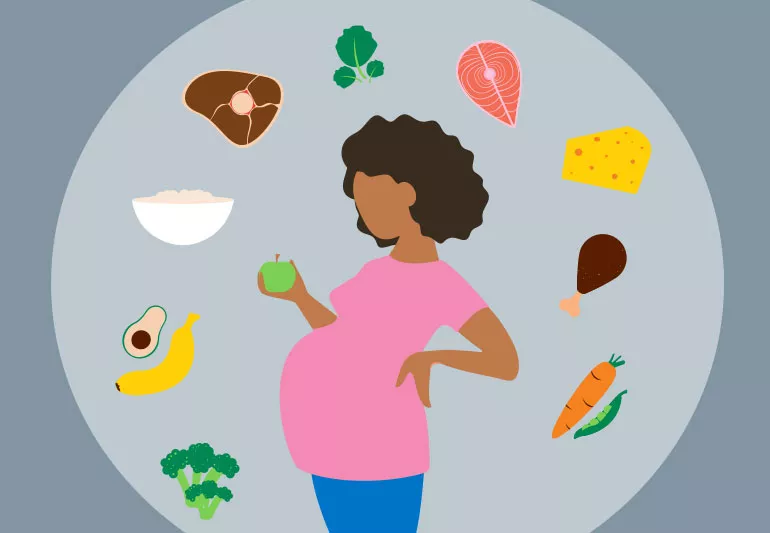
Maternal nutrition matters just as much as the child’s own diet. What a mother eats before and during pregnancy shapes fetal organ development, immune programming, and even the child’s later risk of chronic disease research has linked maternal nutrient intake during this window to outcomes as specific as pulmonary vascular development in newborns.
Maternal Health: The Other Half of the Equation
A child’s first 1,000 days begin with the mother’s health before conception. Maternal anaemia, undernutrition, untreated infections, and inadequate prenatal care all raise the risk of preterm birth, low birth weight, and impaired fetal growth each of which carries its own long shadow into childhood.
This is also where postpartum mental health enters the picture. A mother’s capacity for responsive caregiving talking to, playing with, and emotionally engaging her infant is itself a developmental input. Maternal depression, stress, or lack of social support can reduce the quality of that early stimulation, with measurable effects on a child’s cognitive and emotional development.
What Happens After Age Two? The “Next 1,000 Days”
Increasingly, researchers argue that focusing exclusively on the first 1,000 days misses half the story. A 2024 Lancet series highlights the “next 1,000 days” ages two to five as an equally critical, underfunded stage. The numbers here are sobering:
- In low- and middle-income countries, only 62 million children aged 3–4 (25.4%) currently receive adequate nurturing care.
- That leaves an estimated 181.9 million children in this age group exposed to risks that jeopardize healthy development.
- Even where physical health outcomes are decent 86.2% of children in this age range have a healthy weight access to essentials like early learning stimulation, protection from physical punishment, and early childhood care remains alarmingly low (under 40% for early care access).
The takeaway: the first 1,000 days lay the foundation, but the investment can’t stop at the second birthday.
The Indian Context
Few countries illustrate both the scale of this challenge and the potential of sustained policy attention better than India.
Where things stand:
- According to NFHS-5 (2019–21), India’s most recent fully validated national survey, 35.5% of children under five were stunted, 32.1% were underweight, and 19.3% were wasted meaning roughly one in three Indian children under five was affected by chronic undernutrition.
- India carries the second-highest number of stunted children of any country in South Asia, and among the largest absolute numbers globally.
- Stunting is far from evenly distributed: NFHS-5 found rural stunting at 37.3% versus 30.1% in urban areas, with states like Meghalaya (46.5%), Bihar (42.9%), Uttar Pradesh (39.7%), and Jharkhand (39.6%) reporting the highest rates more than double those of Sikkim (22.3%) or Puducherry (20%).
- Maternal health remains a critical constraint: 57% of Indian women were anaemic as of NFHS-5, directly raising the risk of low birth weight and poor fetal growth in the next generation.
- Feeding practices in the first 1,000 days still fall short of recommendations: only 41.8% of infants were breastfed within one hour of birth, 63.7% were exclusively breastfed for six months, and just 11.3% of children under two received a minimally adequate diet.
- Preliminary results from NFHS-6 (2023–24) point to continued, gradual improvement in stunting and underweight prevalence, alongside rising immunisation coverage though, notably, overweight and obesity among women and children are now emerging as a parallel concern, layering a second nutritional burden onto the first.
The policy response: India has explicitly organized national nutrition policy around this exact window. The government’s flagship Poshan Abhiyaan (National Nutrition Mission), launched in 2018, was designed specifically to prioritize the first 1,000 days conception to age two after decades of nutrition programming had largely overlooked it. Since being rebooted, it has been delivered through India’s vast Anganwadi network of roughly 1.4 million frontline workers, who provide supplementary nutrition, growth monitoring, and maternal counselling at the community level.
Longer term, the trend line is encouraging even if progress is slow: national stunting prevalence has fallen from 48% in 2005 to around 35.5% in 2019–21, a genuine achievement at population scale. But with tens of millions of Indian children still stunted, and with sharp state-level and rural-urban gaps persisting, India’s experience is a reminder that even large, well-designed national programs take sustained years of investment to close a gap this size and that the job isn’t finished at the national average; it’s finished district by district.
Policy Interventions That Work
None of this is unsolvable decades of research point to a consistent set of interventions that move the needle:
- Maternal nutrition programs prenatal vitamins, iron and folic acid supplementation, and treatment for maternal anaemia and undernutrition.
- Breastfeeding support exclusive breastfeeding for the first six months is one of the highest-return interventions available, protecting against both undernutrition and infection.
- Micronutrient fortification fortifying staple foods with vitamin A, iodine, iron, and zinc at a population level, which is inexpensive relative to its impact.
- Responsive caregiving and early stimulation programs training caregivers in interactive play, talk, and reading, which has been shown to improve cognitive outcomes independent of nutrition.
- Cash transfer and social protection programs conditional or unconditional cash transfers linked to health visits and nutrition, which reduce poverty-driven neglect and stunting.
- Universal prenatal and postnatal care ensuring routine screenings, skilled birth attendance, and postpartum follow-up for both mother and child.
- Paid parental leave giving parents, and especially mothers, the time to recover, breastfeed, and bond without economic pressure forcing an early return to work.
Countries that have combined several of these rather than relying on any single intervention have seen the fastest declines in stunting and the strongest gains in early childhood development indicators.
The Bottom Line
The first 1,000 days are a rare kind of opportunity: a short, well-defined window where investment yields outsized, compounding returns in health, in cognitive capacity, in economic productivity decades later. It’s also a rare kind of vulnerability, because the damage done in this window is disproportionately hard to undo afterward.
The data is unambiguous. Tens of millions of children are still being failed by this window every year not because the solutions are unknown, but because they aren’t yet reaching everyone who needs them. Closing that gap isn’t just a health policy question. It’s one of the highest-leverage investments a society can make in its own future.
Clear Cut Startups Desk
New Delhi, UPDATED: July 15, 2026 15:00 IST
Written By: Harsh Gautam