
- The Centre has announced over ₹94,000 crore for West Bengal to revive rural employment, housing, agriculture, and infrastructure after years of funding freezes linked to corruption allegations and political disputes.
- Key measures include restarting support for rural employment and PMAY-G housing, expanding farm credit, boosting agricultural productivity, and fast-tracking ₹82,000 crore worth of infrastructure projects across the state.
- While the package signals renewed Centre–State cooperation, its success will depend on timely fund disbursement, effective implementation, and whether the new employment framework delivers the promised livelihood security to rural households.
Over 94,000 crores in spending commitments across rural employment schemes, housing, infrastructure, and farm credit were laid out for Bengal on July 14 at a high-level review meeting held in Kolkata. Chaired by Union Minister for Agriculture and Rural Development, Shivraj Singh Chouhan, and State Chief Minister, Suvendu Adhikari, Was the first such review to take place since Bengal’s first BJP government came to power last May, after three consecutive terms for the Trinamool Congress. Given that some of India’s biggest antipoverty programs have remained stalled for years in the state, the real story here is not the announcement, but whether the cash flows.
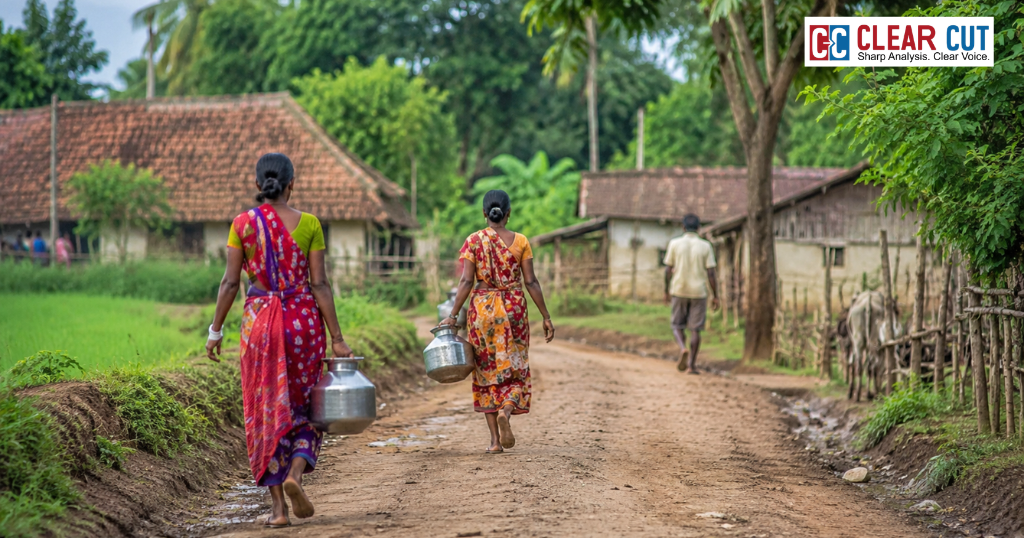
The freeze is also where the stakes come into play. In 2022, the Centre ceased funding to the Mahatma Gandhi National Rural Employment Guarantee Act (MGNREGA) in West Bengal, citing corrupt practices in wage payments. But the previous government called it a move born of political agenda. With the suspension set to end at the end of 2025, about 70 lakh registered labourers found themselves deprived of a guaranteed safety net, despite orders from the Calcutta High Court, which the Supreme Court upheld.
Funding for houses under the Pradhan Mantri Awas Yojana-Gramin (PMAY-G) had also been frozen from 2021 on similar grounds, with the state claiming over 24,000 crores in dues before it launched the Banglar Bari scheme.
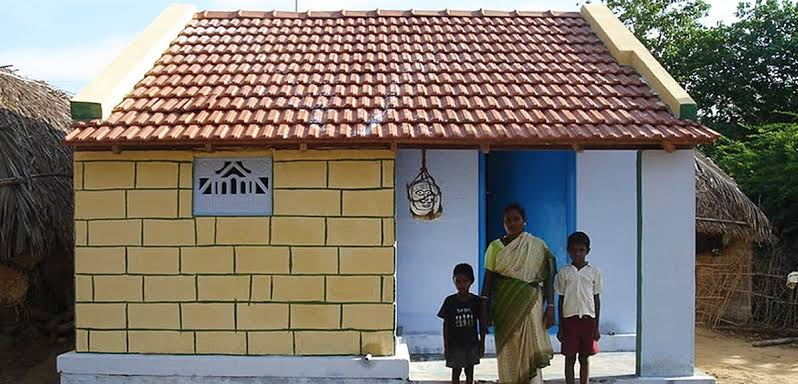
On the field, the years of the freeze played out in rising household debt and migration from rural areas as guaranteed work became elusive. The Centre has the announcements targeted straight at both programs this week. The money in Rural Development had reached 12,064 crores; from the Centre, this amount will now reach the people through panchayats. The amount of 8,508 crore would be spent by March 31 after the VB-G RAM G Act, 2025, replacing MGNREGA all over the country from July 1 this year, guaranteeing 100, reducing the working days of guarantee from 125 to 100. The interim release of 1 lakh rural houses for the PMAY-G programme has been approved, the beneficiary survey deadline extended till August 15 due to the monsoon causing disruptions to surveys and for access of bank credit and community investment funds for women’s self-help groups the sum sanctioned is Rs 295 crore, access to crop insurance and for farmers via Kisan credit card under the schemes coordinated by NABARD it plans to extend further access to it.
For better fruit production, there would be new Clean Plant facilities at Malda for mango and litchi production, and a boost in potato and maize production to help turn Bengal into an eastern region centre for seeds, all to uplift farm incomes.
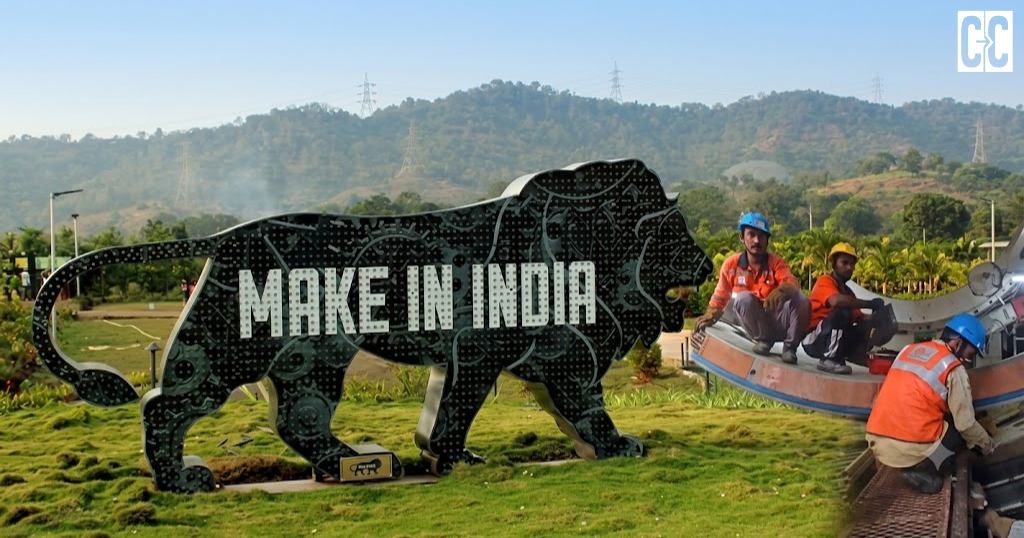
In a separate drive, Rs 82,000 crore of the pending, long overdue infrastructure projects in roads, railways, metro, and energy lines were reviewed, and a monitoring group will be set up at the state level on the lines of the PRAGATI system functioning at the Centre.
Whether the new employment law is indeed a stronger guarantee than claimed remains in question. MGNREGA – a statutory right of demand-driven, which Centre-funded wages were supposed to rise according to need – is hailed as the largest in the world, reaching over 90 million workers annually, and none has succeeded. The new program will shift from this to fixed, normative centre-state cost sharing, moving away from a demand-driven, open-ended scheme. While a welfare economist, Jean Drze, one of the co draftsmen of the law, has suggest that there is “no real guarantee left” as the Centre is free to notify or cap the program, without a commensurate duty to provide wages on demand as an enforceable guarantee. The government has provided new employment law statistics indicating that, on average, around 7.6% of households took up the full 100-day entitlement guaranteed under the legislation, a gap it hopes to close with extended days and greater government control.
And that isn’t a theoretical difference for the rural households in West Bengal. The 125 days now guaranteed on paper come via a program from which the state was excluded for four years – and in which, for the first time since the funding rows started, the state administration is answerable to the same party that heads the Centre, obviating the political deadlock that outlasted two court directives. Whether the legal promise holds up when the work, naturally, becomes more sought after in a state so beholden to it will be the test now.
Clear Cut Livelihood Desk
New Delhi, UPDATED: July 15, 2026 02:00 IST
Written By: Yatharth Pathak