- Plastic pollution has become a major environmental challenge in India, affecting public health, biodiversity, water bodies, and contributing to climate change due to poor waste management.
- While initiatives like the Plastic Waste Management Rules, Extended Producer Responsibility (EPR), and the single-use plastic ban are important steps, stronger implementation and public participation are essential for a sustainable future.
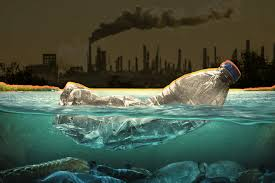
The plastic age has ushered in a dramatic change in the life of people, never witnessed before. Characterized by being light, strong, cheap and ubiquitous in packaging, pharmaceuticals, construction, agriculture and transportation, plastic age is a unique thing. It is, in fact, due to the nature of the material, that it has been deemed to be one of the biggest environmental problems of the 21st century. Plastic bags, plastic bottles, plastic wraps and other plastic products may be found in the environment for decades and will pollute the earth, rivers and seas. Plastic pollution is one of the most serious issues in India due to the rapid urbanization and development in the country.
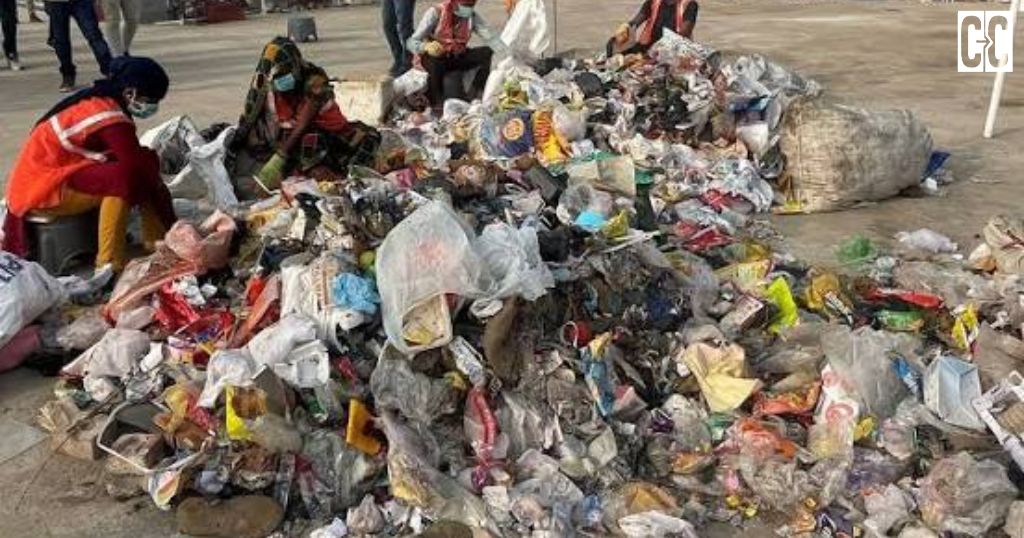
There are still huge amounts of plastic waste, which are not collected and recycled properly, leading to littering, burning, clogging of drainage system, and contamination of water bodies. Plastic waste can easily clog the drainage system during the rainy season causing flooding and increasing risks of waterborne diseases amongst the population. Waste burning causes emission of toxic substances harmful to local population.
More recently, however, the presence of micro-plastics, which are smaller fragments of plastics originating from the larger plastics, has been detected in food, drinking water, and even in the human body, with the health consequences being still unknown.
Plastic pollution also threatens India’s rich biodiversity. Plastics flow through the rivers to the oceans, where marine organisms either consume the plastics or get caught in the plastic material left behind. The ingestion of plastics with food wastes can also lead to significant digestive disorders and even death among the livestock. Plastic manufacturing and disposal contribute to the emission of greenhouse gases, while the ecological impacts extend well beyond the wildlife, accelerating the process of climate change.
As a result of this, there have been a number of key actions by the Government of India in the policy realm. The Plastic Waste Management Rules together with the subsequent amendments have brought about Extended Producer Responsibility (EPR) which ensures that the producers and brand owners are required to collect and recycle the plastic products in the market. Additionally, India has banned plastic products such as plastic cutlery, straws, and packaging products in the country in 2022. All these efforts have been put into place to help reduce plastic waste production and create a circular economy.
Despite all these efforts, implementation of these activities is still an issue. There are still a lot of urban local bodies who face problems of poor waste segregation, lack of waste infrastructure, and poor public awareness. The informal waste sector plays a vital role in waste collection and recycling and this is not usually socially and formally recognized. This can be achieved through improved regulation, improved municipal waste management, recycling technology investments, and engaging the waste pickers in the formal sector. Change in behaviour is also needed for sustainability.
There is an opportunity for individuals to play their part in minimizing the generation of single-use plastics, use reusable bags and bottles, segregate waste, and buy recycled products. The educational institutes, organisations and civil societies should aim to eat responsibly and be green. With India moving towards a sustainable and circular society, plastic littering has emerged as a critical issue to be resolved. To reduce use of single-use plastics and better plastic waste management in India, policies have been implemented. But the practical measures will be implemented as steps that will improve policy application, innovations and public participation.
To encourage the use of alternative materials instead of plastic and to encourage more waste segregation and recycling, there is a need to have multiple stakeholders, including citizens, local authorities, industries and government bodies, working to reduce the use of plastic. Only when people come together can India make an important step towards the problem of plastic pollution. Plastic pollution is not just an issue of waste management, but an issue of public health, environmental and developmental issues as well. Better implementation, innovative approach and responsible consumer behaviour can help India become healthy, clean and sustainable nation.
Clear Cut Climate Desk
New Delhi, UPDATED: July 30, 2026 21:36 IST
Written By: Mitali Tapar
Designation: Manager – MLE at Devinsights