
- India’s ageing population is growing, making loneliness among senior citizens an increasingly important public health and social concern.
- Happy2Age is working to reduce loneliness by creating active, connected and age-friendly communities where seniors can build relationships, stay engaged and find purpose.
India is standing at the threshold of one of the most profound demographic shifts in its history. By 2050, one in every five Indians will be over the age of 60. Advances in healthcare have helped us live longer, but they have also exposed us with various challenges.
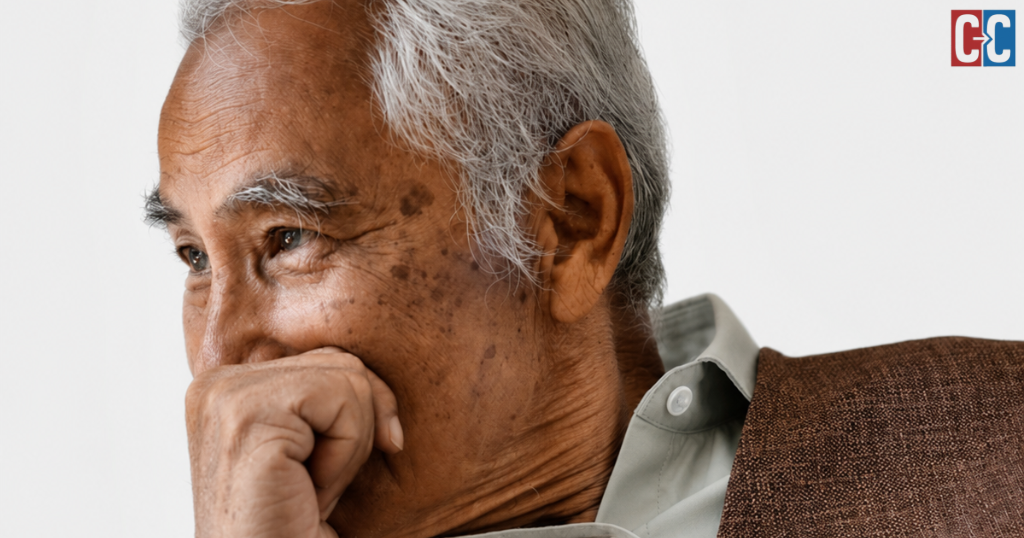
Among the many challenges confronting older adults today, loneliness remains the least visible and perhaps the most misunderstood. It rarely makes headlines, yet its impact is far-reaching. Unlike social isolation, which describes being physically alone, loneliness is the subjective feeling of being disconnected from meaningful relationships. One can be surrounded by people and still feel profoundly lonely.
For many senior citizens, this experience begins gradually. Retirement often brings the loss of daily routines and professional identity. Children relocate for education or work. Friends become fewer. Mobility declines. Conversations become shorter, invitations become fewer, and over time, the world around them grows quieter.
Medical research now recognises loneliness as more than an emotional state. It is a significant public health concern. Studies have linked chronic loneliness with depression, anxiety, hypertension, cardiovascular disease, impaired immunity, cognitive decline and an increased risk of dementia. Several international studies have even suggested that the health impact of prolonged loneliness is comparable to well-established lifestyle risks such as smoking or obesity.
The question before us is no longer whether loneliness matters. It is whether we are prepared to address it as intentionally as we address physical health.
The World Is Rethinking Ageing
Across the globe, governments and communities have begun recognising that healthy ageing extends beyond hospitals and medicines.
Countries have introduced community hubs where older adults participate in lifelong learning, fitness programmes, arts, music and volunteering. Intergenerational initiatives bring children and seniors together, reducing stereotypes while strengthening community bonds. Volunteer befriending programmes ensure that those living alone receive regular companionship.
While these models differ in design, they are united by a common philosophy: human connection is preventive healthcare.
The future of ageing therefore lies not only in better medicine but in better communities.
Reimagining Ageing Through Happy2Age
At Happy2Age, we believe that ageing should never be defined by decline. It should be characterised by continued growth, participation and purpose. Our work began with a simple observation: older adults do not merely need activities—they need opportunities to build meaningful relationships and rediscover their identity beyond age.
Happy2Age creates ecosystems where seniors engage intellectually, socially, physically and emotionally through curated programmes that encourage learning, creativity, movement, volunteering and friendship through collaboration with Real Estate groups; Housing Societies; Clubs, Pre-School facilities etc. Since Nov’24, more than 2000 members have already been impacted, held more than 20 events and have conducted more than 1000 regular sessions (once or twice a week) covering nearly 10 housing complexes and 4 geriatric facilities in Mumbai.
The transformation is often subtle but powerful. A hesitant first visit becomes a weekly routine. Acquaintances become trusted friends. Confidence returns. Joy returns. These are outcomes that clinical indicators cannot always measure, yet they fundamentally influence wellbeing.
Designing Communities That Foster Connection
One of the most exciting developments in active ageing is the growing recognition that the built environment shapes social wellbeing. Recognising this, Happy2Age is promoting Happy2Age Zones— purpose-designed active aging spaces integrated into residential communities and senior living developments. These are far more than recreation rooms.
These spaces are designed to encourage participation in wellness programs, lifelong learning, hobbies and creativity, socialising with friends, meeting young families, volunteering, and many other activities. It all boils down to one clear goal: to build neighbourhoods that encourage interaction and socialization as routine rather than the exception. As India’s real estate trends shift toward concepts like wellness, sustainability, and holistic development, active aging infrastructure is no longer optional. Still, an imperative, and urban development cannot succeed without its older generation.
Stories Behind the Mission
The impact of addressing loneliness is best understood through individual journeys. A retired executive joined the regular session to keep herself active and to interact and socialize with others her age. She likes all the activities and wonders how time passes. Equally moving are the reflections from families.
“My mother has become herself again,” one daughter shared. “She looks happy every day and looks forward to the sessions’.
Grandchildren have started asking their grandparents who attend – ‘What have you learned today in the Happy2Age class?’ This is becoming a dinner table discussion now.
Stories that remind us that, even with age or circumstances, it still doesn’t reduce the basic human need to feel “wanted”.
Everybody’s Role When you talk of lonely elderly, it’s not the duty of the families only to solve the issue. It should be of a collective healthcare effort planners, architects, and town planners, housing associations, policy makers, employers, property developers, and civil societies. Designing AgeFriendly societies should no longer be an act of charity but an investment in a better, healthier, and happier society. The World Health Organization has consistently emphasised that healthy ageing depends on environments that enable people to continue doing what they value. Communities, therefore, become as important as healthcare systems.
Every neighbourhood can become a place where older adults are not merely cared for but actively included.
Looking Ahead
On this World Senior Citizens Day, the most important question we can ask is not how many years we are adding to life, but how much life we are adding to those years. If India’s ageing story is to become one of dignity rather than dependence, we must begin by addressing the silent epidemic of loneliness.
At Happy2Age, we envision communities where every older adult wakes up with a reason to step out, a friend to meet, a conversation to enjoy, and a purpose to pursue. It needs to be a collective effort by communities, urban planners, real estate groups, and entities like Happy2Age to address longevity.
Because ageing is not about growing older. It is about continuing to belong. “A society is judged not only by how long its people live, but by how connected they remain throughout their lives.”
About the Author: A professional with over 30 years experience of working in corporate and social sector. She has had a deep interest in the field of health which brought her closer to the subject of Geriatric care including being a caregiver for her father for over 10 years. After having worked for eight years with different corporates, she decided to move to the development sector and was with Tata Trusts from 2003 to 2021. She anchored the Elder Care programme in Tata Trusts and was instrumental in conceptualising, designing, piloting and scaling a National helpline (Elder Line- 14567) for older adults along with the Ministry of Social Justice. In July 2021, she was awarded by the Vedica Women’s Alliance for her exemplary leadership in Social Impact.
Clear Cut Health Desk
New Delhi, UPDATED: August 27, 2026 09:00 IST
Written By: Sugandhi Baliga (Founder Happy2Age)