
- Ambuja Foundation’s work in Baloda Bazar improved access to physiotherapy, speech therapy, education, healthcare and roads for people with disabilities, with a CRISIL study finding ₹10.12 in social value for every ₹1 invested.
- The project shows how rural infrastructure, water, health and disability inclusion can work together to improve quality of life and access to essential services.
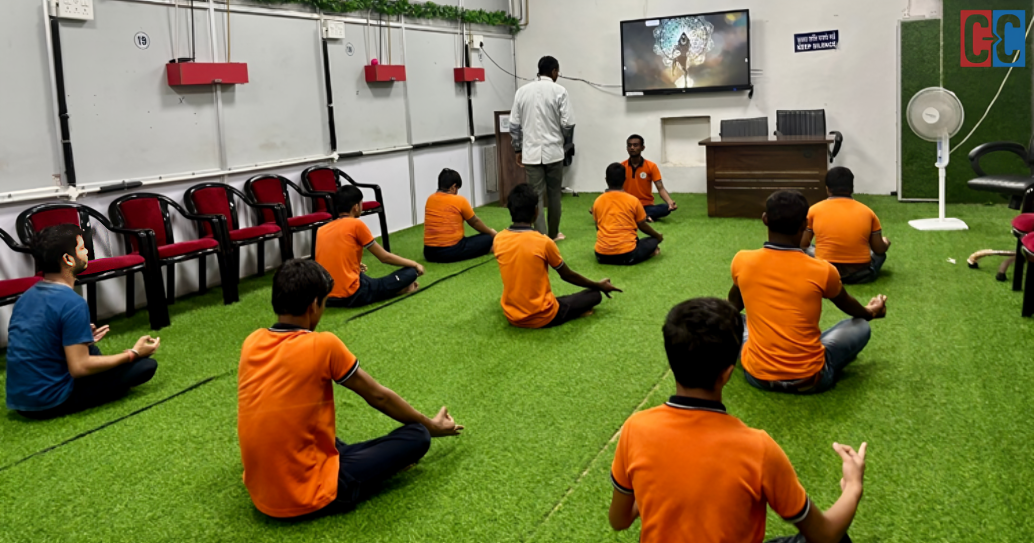
Numbers rarely tell a warm story, but sometimes they confirm one. In Chhattisgarh’s Baloda Bazar district, a Divyang Centre was a place people with disabilities avoided. Because there was little worth visiting. Physiotherapy was patchy. Speech therapy barely existed. Then Ambuja Foundation, the rural development arm of Ambuja Cements and Adani Cement, folded the centre’s upgrade into a broader water and infrastructure programme across 10 villages. In late 2025, an independent study by CRISIL put a number on what that changed: every rupee spent generated ₹10.12 in social value.
How Disability Support Rode In on a Water Project
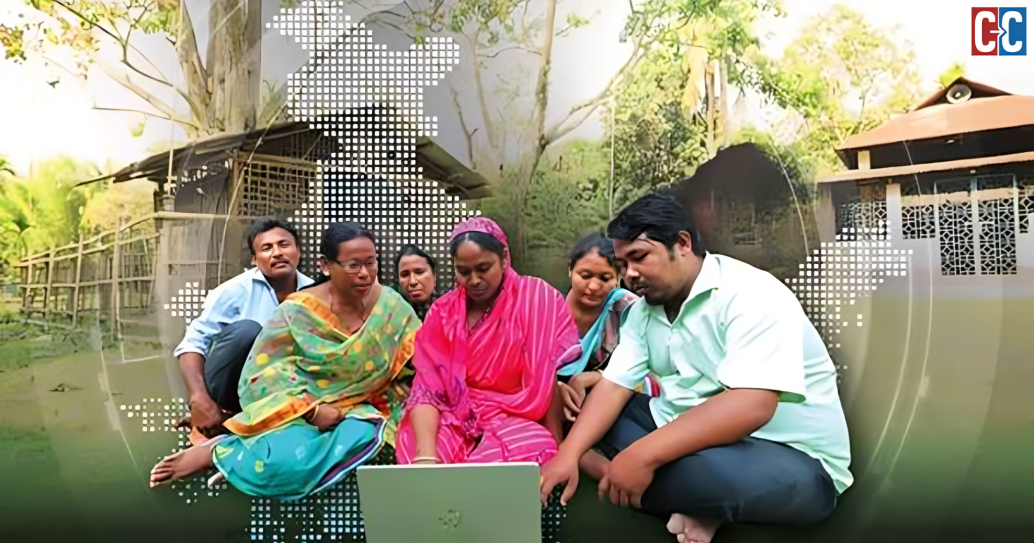
Ambuja Foundation did not set out to build a disability programme in isolation. Its Water Resource Management and Rural Infrastructure Development work in Baloda Bazar was meant to fix roads and water scarcity. But better roads meant people with mobility challenges could actually reach the district’s Divyang Centre. Community halls and cultural spaces, called Rangmanchs, were renovated alongside it, giving disabled residents a place to be part of village life, not just a clinic to visit.
What the CRISIL Numbers Actually Show
The CRISIL Social Return on Investment study – on activities carried out in 2022-23 and 2023-24 – revealed that disabled people in the location were now able to access Physiotherapy, speech, and education services that had not previously been available. 60% of the wider programme also felt their health improved due to the reduced burden of waterborne disease, saving, on average, Rs1,180 in health costs per household per year. For 96% of respondents, access to good roads improved access to education and attendance rates, with kids coming to school an extra 2 days or more per month.
The Older, Quieter Programme Behind This Work
Ambuja Foundation has run a dedicated special education initiative called Ambuja Manovikas Kendra for years, working with intellectually disabled, deaf, and visually challenged young people to help them build skills and find their own path forward. It is a smaller, less publicised programme than the foundation’s flagship water and skilling work. Still, it is where the organisation’s disability commitment began, long before the Baloda Bazar water project provided it with new infrastructure to work from.
The Health Gains That Made This Possible
None of the disability improvements would have any point without the parallel gains in health that the CRISIL study observed: a drop in waterborne infections meant less time off work for parents to take family members to a health centre. Improved roads meant less income forgone for getting to a rehabilitation appointment once, but twice now, and with far less effort required of the caregiver. In a district where every rupee in household income matters, such small logistical benefits could account for a significant portion of the rise in attendance at the Divyang Centre for whose existence it was meant.
A Model Built on Reaching 4,000-Plus Villages
The Ambuja Foundation’s work now spans 4,297 villages, in 81 districts, with an estimated spend of around ₹200 crore per year. Disability inclusion is one thread that’s stitched into the much broader tapestry of its efforts around water conservation, skilling, health, and women’s empowerment. And that comprehensiveness is a principle: the Ambuja Foundation itself frames its approach as not allowing a family to overcome poverty through a single tool; work on water needs to be across roads, health, and inclusion.
The Way Forward
A 10.12 return for every rupee spent – that is no number at all, until numbers have some impact on what the government or NGO funds next. Budgets in India are dominated by water, education, and health projects, whose outcomes can be measured and photographed quite easily; disability infrastructure, being quieter and subtler, falls much further down the list of priorities. Baloda Bazar proves there’s no need for a special ‘disability budget line item’; inclusion needs to hitch a ride on an infrastructure scheme that was always on the cards anyway. The moral, for Indian CSR managers building roads, laying pipes, or constructing community centres: just before they pack their bags, ask one question: did they build this so that someone who couldn’t before could walk through?
Clear Cut CSR Desk
New Delhi, UPDATED: August 27, 2026 18:30 IST
Written By: Tanmay J URS