
- She Leads Bharat: Udyam is empowering rural women by turning them into entrepreneurs and local banking correspondents, improving access to financial services in underserved communities.
- The programme has reached 100,000 women entrepreneurs across five Indian states and aims to reach one million women by 2030.
- Through Meri Saheli, women are increasing their incomes, accessing formal credit, and gaining greater financial independence and respect within their communities.
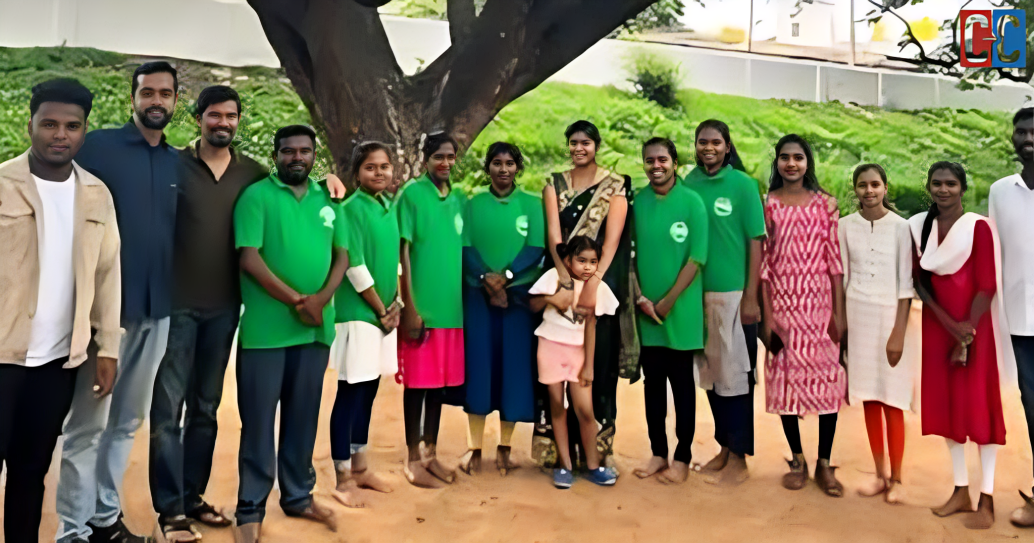
In large parts of rural India, the nearest bank branch can be an hour’s journey away, and women-owned small businesses, which make up a fifth of the country’s MSMEs, receive only a twentieth of the financing that public-sector banks provide. She Leads Bharat: Udyam set out to close that gap not by building more bank branches, but by turning rural women themselves into the local banking point. Launched in 2023 by Airtel Payments Bank, Frontier Markets, and the Mastercard Center for Inclusive Growth, the programme has now reached a landmark: 100,000 women entrepreneurs across five Indian states.

One platform, many businesses
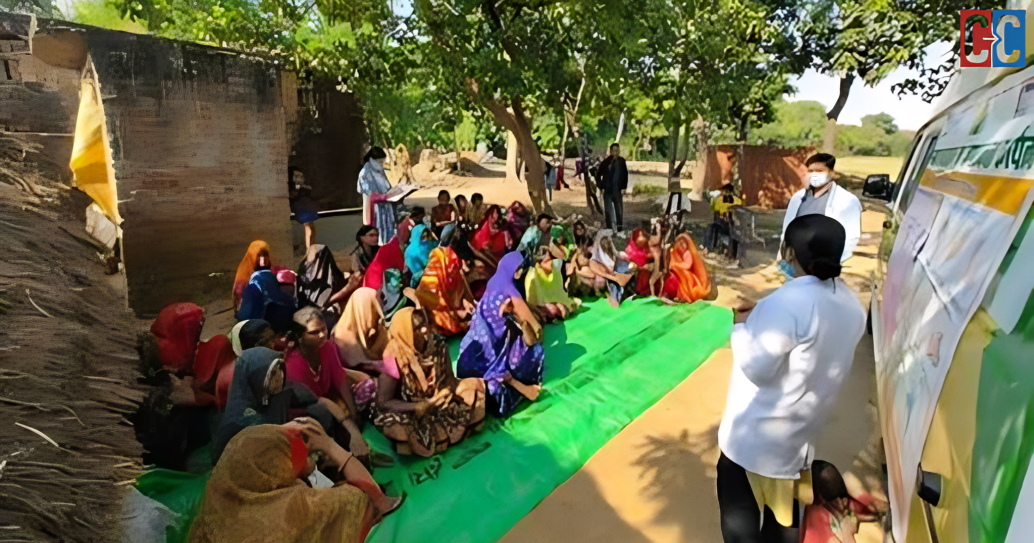
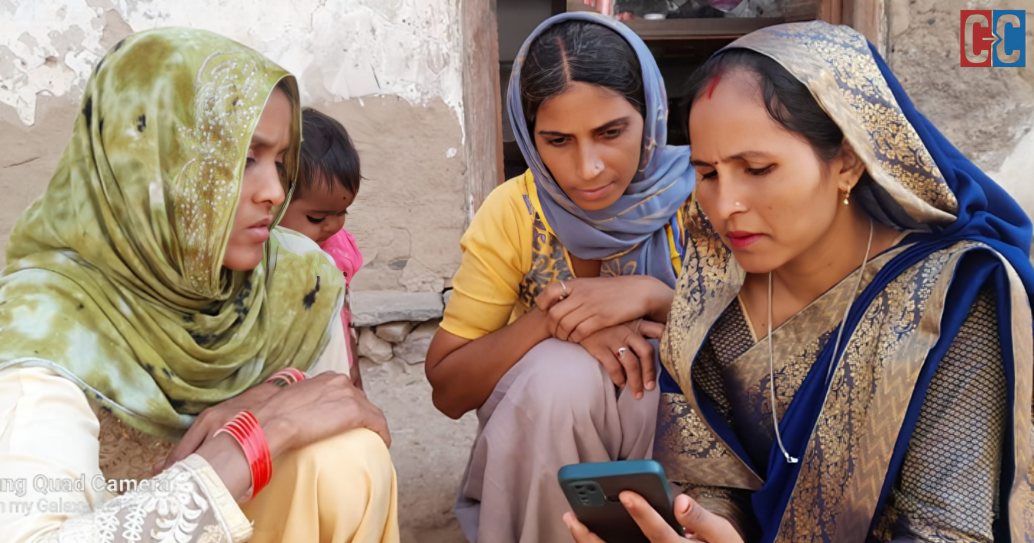
At the centre of the model is Meri Saheli, a digital, assisted-commerce platform where women entrepreneurs sell products ranging from agricultural inputs to consumer durables, while also facilitating financial services as trained bank correspondents for Airtel Payments Bank. In its earliest phase, 15,000 women micro-entrepreneurs in Rajasthan and Uttar Pradesh joined the platform, with 10,000 trained specifically to deliver banking services, savings accounts, bill payments, and loan applications in areas where the nearest formal bank was simply too far to be practical. These women, called Sahelis, already facilitate thousands of digital transactions every month for customers who would otherwise have to travel to a distant town for something as simple as a bill payment.
Income numbers behind the milestone
The programme’s own data shows women micro and small enterprises recorded a threefold increase in income within six months of joining, with women engaged for a year or longer earning an average of ₹1,300 a month through Meri Saheli sales alone. Expanding the platform’s product categories from 3 to 12 drove monthly sales up nearly 25 times, letting women entrepreneurs reach new customers and build repeat business they didn’t have access to before.
Extra income management
Roughly half of the additional income women earn through the programme is reinvested back into their own businesses, while about a third goes toward household needs. The programme also reports a less quantifiable but arguably more important shift: rising incomes have translated into greater respect for these women within their own families, changing household dynamics that no loan disbursement figure fully captures.
From two states to five, a million-woman target
She Leads Bharat: Udyam has grown from its original footprint in Rajasthan and Uttar Pradesh to five states, with Andhra Pradesh the latest addition. The programme is also deliberately shifting toward self-sustainability, reducing its reliance on philanthropic funding as more products and services flow through the platform, and is now targeting one million women entrepreneurs by 2030, a tenfold jump from where it currently stands.
Building credit histories from scratch
Beyond day-to-day sales, women entrepreneurs on the platform can now access working capital through returnable grants and bank financing, a deliberate step toward helping them build formal credit histories many have never had access to. In a pilot blended-finance model run with 360 ONE Foundation during 2024-25, around 2,000 first-time women borrowers in Rajasthan and Uttar Pradesh were brought into formal credit for what was, for many, the first time in their working lives.
The Way Forward
A woman who becomes her village’s local banking correspondent is not just earning an income; she is closing a formal financial services gap that decades of branch expansion never fully solved. The real test for She Leads Bharat: Udyam over the next five years is whether it can hit a million women without diluting the trust and local relationships that made its first 100,000 successful. As the programme leans harder into a market-driven, self-sustaining model, its funders and implementing partners should keep publishing the honest numbers, income growth, business survival rates, and reinvestment patterns, that let outsiders judge whether scale is coming at the cost of depth, or whether both can genuinely grow together.
Clear Cut Gender Desk
New Delhi, UPDATED: August 31, 2026 15:20 IST
Written By: Tanmay J. Urs