
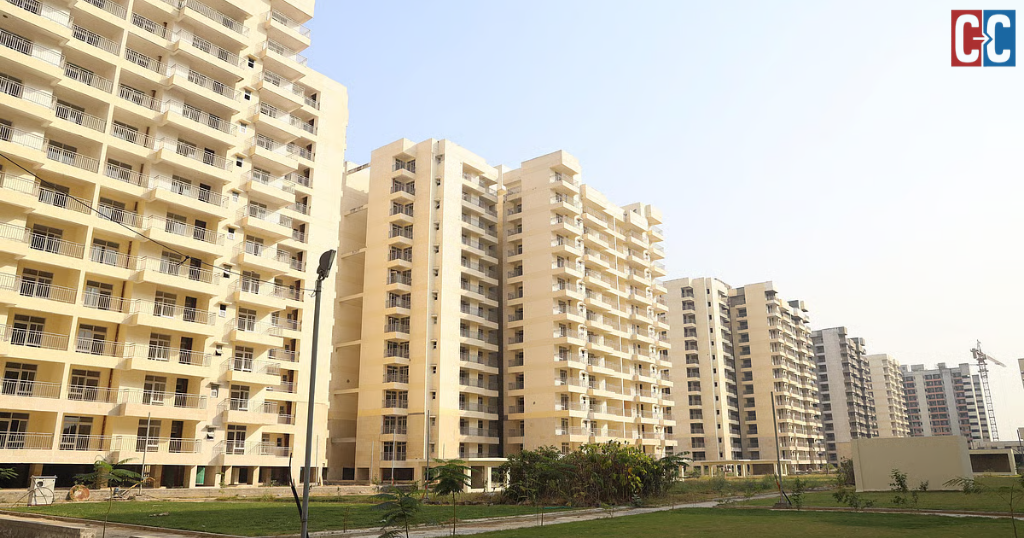
The newly notified MPD-2047 leans on transit-led density and in-situ slum rehabilitation to house a capital projected to cross 3.2 crore people by 2047 — reviving equity questions that outlasted two earlier master plans.
NEW DELHI: The Union Ministry of Housing and Urban Affairs notified the Master Plan for Delhi 2047 (MPD-2047) on August 20 — technically an extensive modification of the 2007-era Master Plan for Delhi 2021, since a draft plan for 2041 was never finalised after years of public consultation. Union Housing and Urban Affairs Minister Manohar Lal unveiled the document alongside Delhi Lieutenant Governor Taranjit Singh Sandhu and Chief Minister Rekha Gupta, framing it as central to the Centre’s Viksit Bharat @2047 vision for India’s centenary of independence.
The numbers explain the urgency. Delhi’s population has grown from 94 lakh in 1991 to 2.12 crore at the 2021 census and an estimated 2.3 crore today; MPD-2047 projects it will reach 3.2 crore by 2047, requiring close to 40 lakh (4 million) additional dwelling units over the plan period. Tellingly, the plan’s own text ties this shortfall to a familiar cause: high land costs and an inadequate supply of affordable housing, which it identifies as key drivers of the growth of slums, unauthorised colonies, and dense urban villages across the capital.
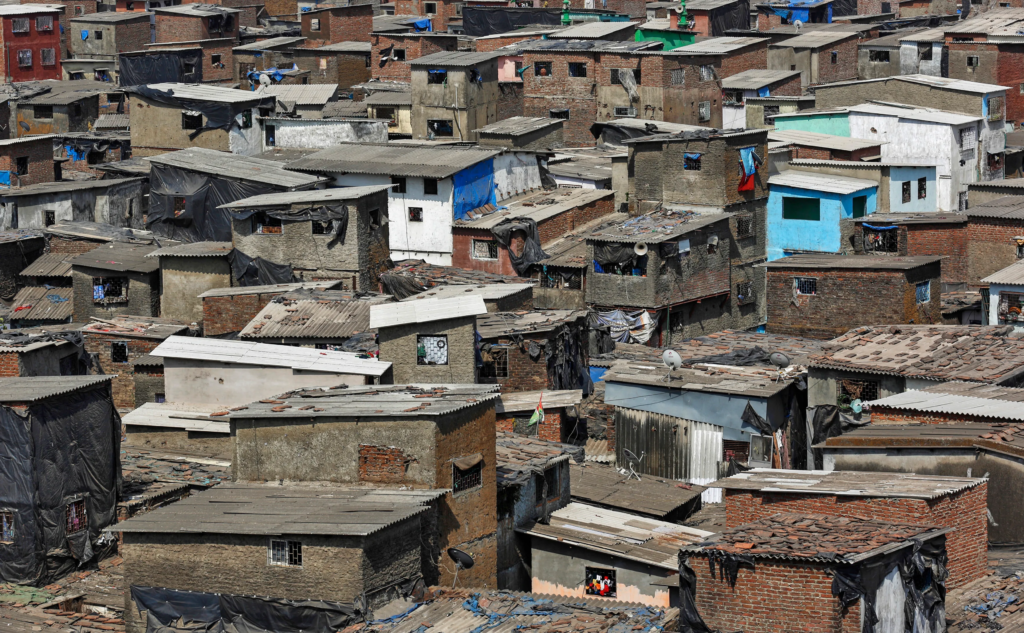
That matters because informal Delhi is not a small margin. Unauthorised colonies alone housed nearly 60 lakh people — close to a third of the city’s population — as of 2019, when the previous master-plan cycle was under consultation; jhuggi-jhopri clusters and urban villages add further to that base. It is this population MPD-2047 repeatedly gestures toward: it renews the ‘Jahan Jhuggi, Wahan Makan’ (Housing-in-Situ) policy, which prioritises permanent housing for low-income families on or near their existing settlements over relocation to the periphery, and proposes a higher Floor Area Ratio specifically for slum-rehabilitation projects.
The plan’s wider growth strategy avoids further horizontal sprawl. Around 207 sq km along Metro, Regional Rapid Transit System, and railway corridors is earmarked for high-density Transit-Oriented Development, potentially yielding 1.7 million dwelling units within a decade. Six land-pooling zones — including belts around Narela, Bawana, and the Dwarka extensions — will allow landowners to contribute agricultural plots to the DDA in exchange for a share of serviced land, with the minimum sector size reduced from 100 acres to 20 hectares to broaden participation. Ageing two-storey DDA colonies built under the 1962 master plan gain redevelopment rights similar to vacant plots, while small-format homes of 25–60 square metres are promoted to keep new supply within reach of low- and middle-income buyers.
Independent analysts see the plan’s procedural changes, not merely its density bonuses, as having the biggest impact. Ankita Sood, National Director–Research at Knight Frank India, told the Hindustan Times that the clearer definition of the Yamuna’s flood zones and unlocking redevelopment potential in old colonies both address Delhi’s shortage of space. Still, the more significant structural change in MPD-2047 is doing away with departmental no-objection certificates from other departments, such as the pollution control board, Delhi Jal Board, forest department, and factory inspectorate, that were necessary before a building could go up.
Whether streamlined approvals fix the plan’s biggest historical weakness remains to be seen. Delhi’s last two master-plan cycles drew comparable promises and comparable scrutiny: social activists and urban governance experts criticised the draft MPD-2021 in 2005 for offering no concrete steps on housing, healthcare, or jobs for people with low incomes, and reviewers of the shelved MPD-2041 draft warned in 2021 that “feel-good” planning without cost estimates or a clear implementing authority risks becoming a wish list. MPD-2047 will be executed across an equally layered set of agencies — the DDA, the unified Municipal Corporation of Delhi, and the Delhi Urban Shelter Improvement Board, among them — the same coordination challenge that outlasted both earlier plans.
Delhi’s in-situ bet has precedent abroad. Thailand’s Baan Mankong program, credited by UN-Habitat with improving conditions for tens of thousands of slum households since 2003 by upgrading existing settlements rather than relocating residents, is often cited as a benchmark for the kind of tenure security that MPD-2047 now promises. Whether Delhi’s version reaches its intended beneficiaries — rather than being absorbed by the private, market-rate housing the plan also unlocks — will be the real measure of the 40-lakh-home pledge, not the notification itself.
Delhi, By the Numbers
| Metric | Figure |
| Delhi population, 1991 | 94 lakhs |
| Delhi population, 2021 census | 2.12 crore |
| Delhi population, est. 2026 | 2.3 crore |
| Delhi population, projected 2047 | 3.2 crore |
| Additional homes needed by 2047 | ~40 lakh (4 mn) |
| TOD high-density zone along transit corridors | 207 sq km |
| Potential homes within TOD zones (10 yrs.) | 17 lakhs (1.7 mn) |
| Small-format affordable housing size | 25–60 sq m carpet area |
| Unauthorised-colony population (2019 est.) | ~60 lakhs (~⅓ of city) |
Sources: PIB; Business Standard; ANI/PTI coverage of MPD-2047; Hindustan Times (2019)
Clear Cut Research Desk
New Delhi, UPDATED: August 31, 2026 18:30 IST
Written By: Yatharth Pathak